
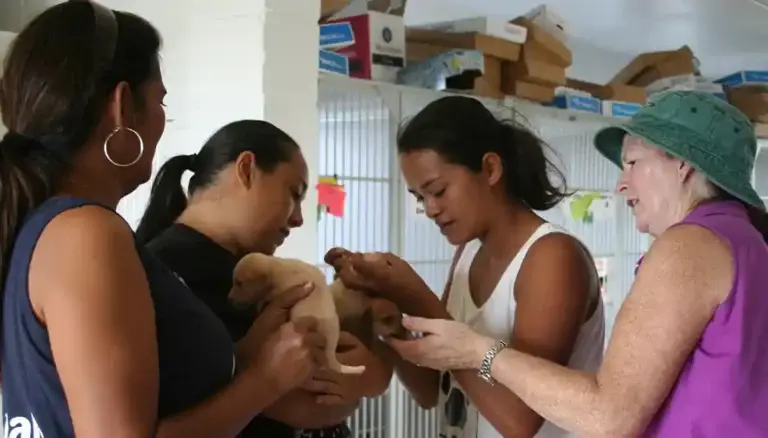
Guam Animals In Need (GAIN), Inc. is a non-profit organization dedicated to the prevention of cruelty...
The people of the Mariana Islands archipelago, collectively known as CHamorus, call as their homeland...

Pioneers of entertainment. Frank and Marjorie met at the Texas Centennial in 1936 where he was a famous...
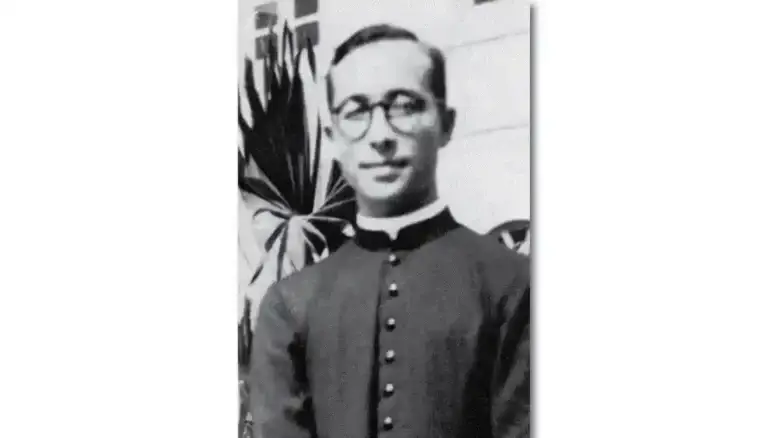
Father Jesus Baza Duenas (1911 – 1944) was the second CHamoru to be ordained a priest. He led the Catholic...
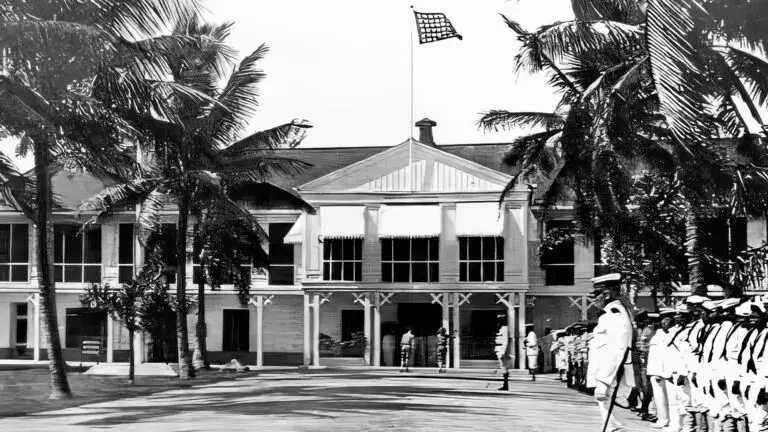
In April 1898, war broke out between Spain and the United States. On 21 June 1898, Lieutenant Colonel...
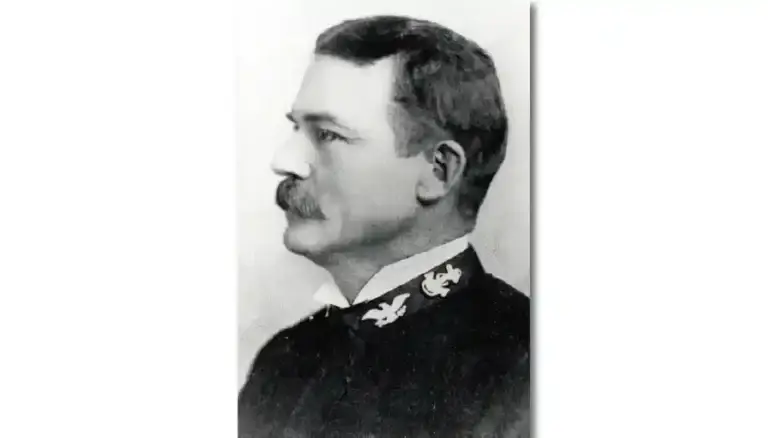
Captain Henry Glass (1844–1908), a rear admiral in the United States Navy, is remembered in Guam for...
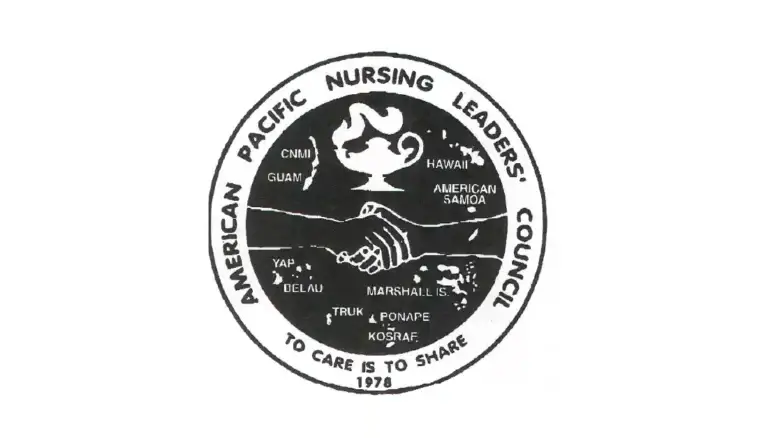
The American Pacific Nursing Leaders Council (APNLC) was founded by nurses in 1978 to promote the advancement...
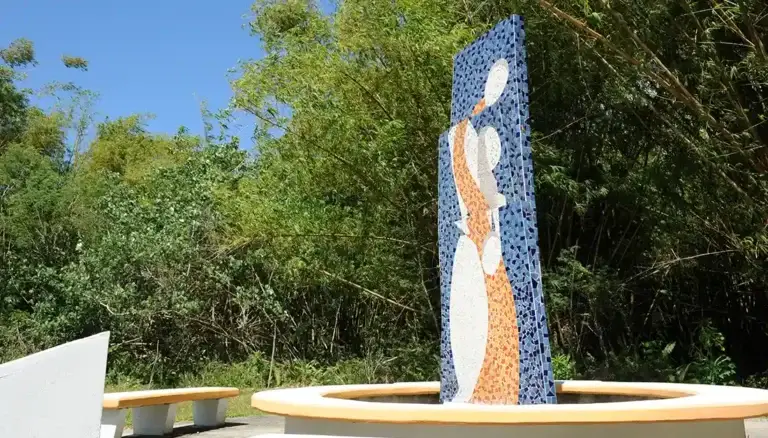
Yona derives its name from the CHamoru word iyo-ña, meaning to possess something material, personal or...
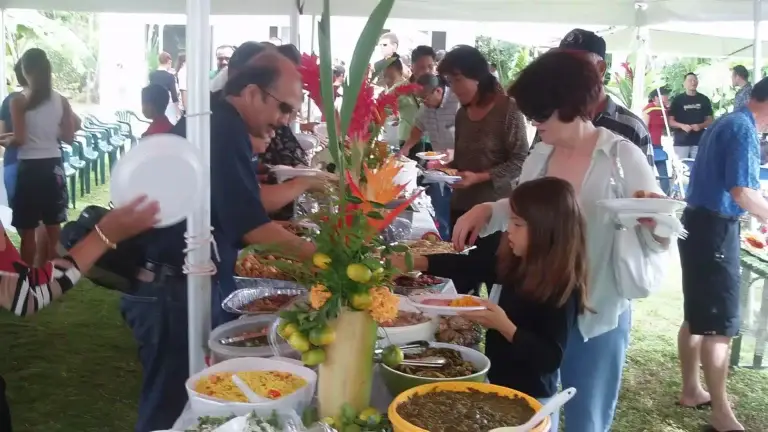
The meaning of “Yigo” is unclear. According to some, it comes from the Spanish word yugo which means...
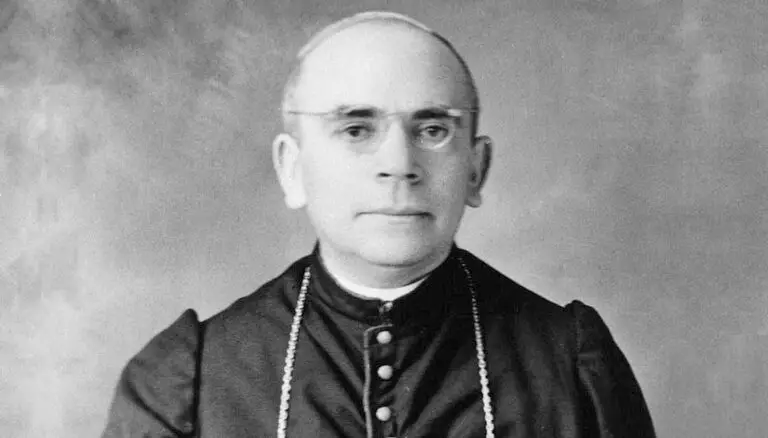
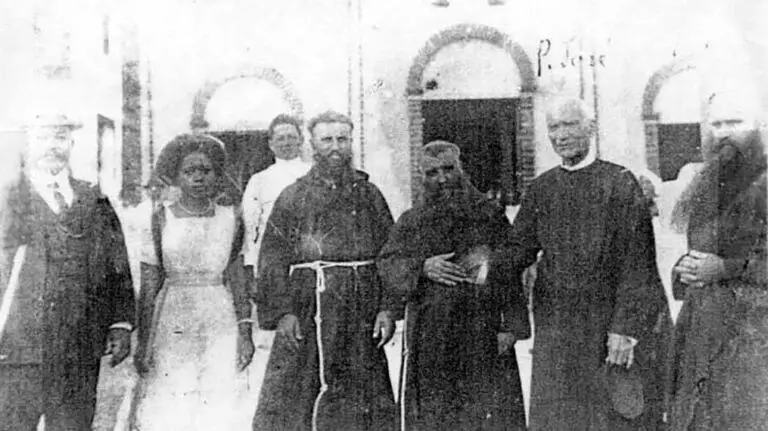
For almost 300 years, the Spanish overseas Catholic missions took firm root in the Marianas. Spanish...
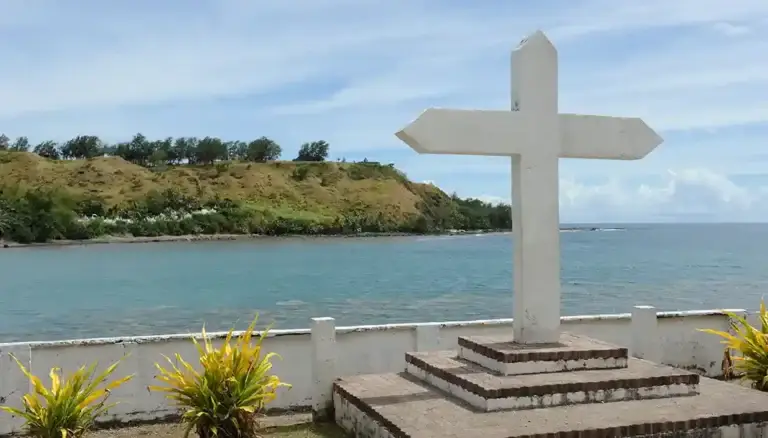
The village derives its name from the word uma, which means to carry something on the back or a heavy...
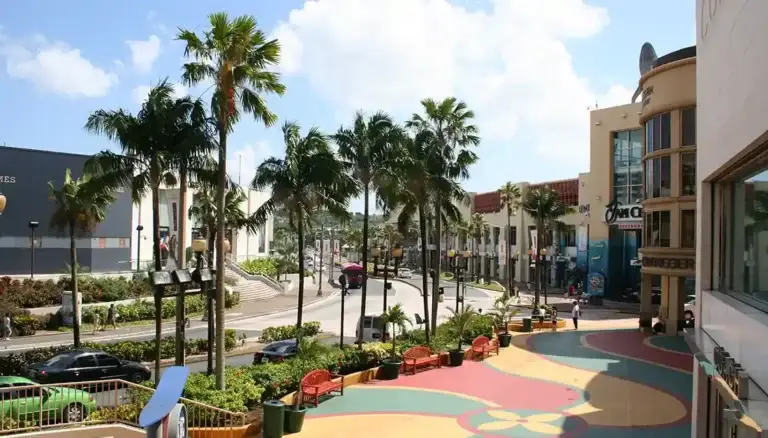
“Tamuning” is a Carolinian word which was given to the area where Carolinians settled beginning in 1849,...
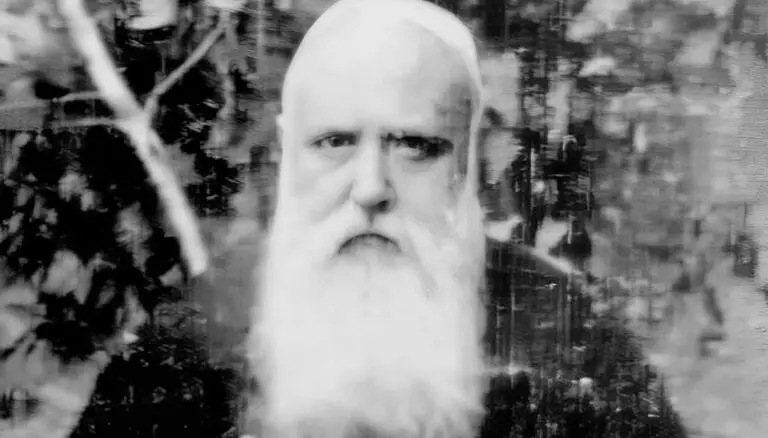
Francisco Javier Vilá y Mateu (1851 - 1913) was the first missionary bishop of Guam. He was born Ricardo...
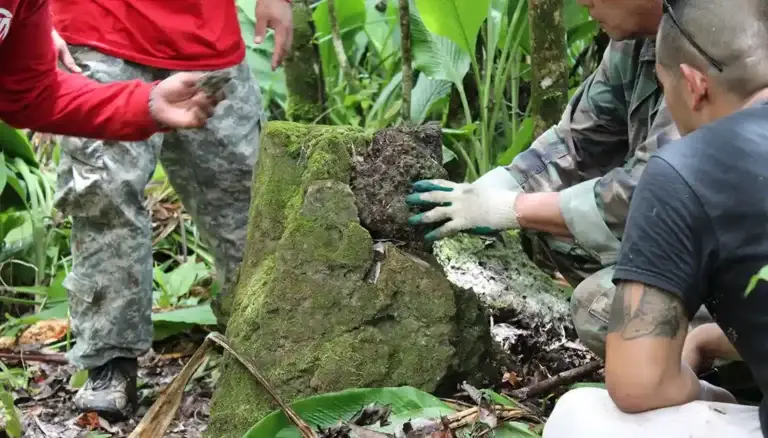
The village probably derives its name from the phrase "entalo’ i fe’fo’,” which means between the cliffs....
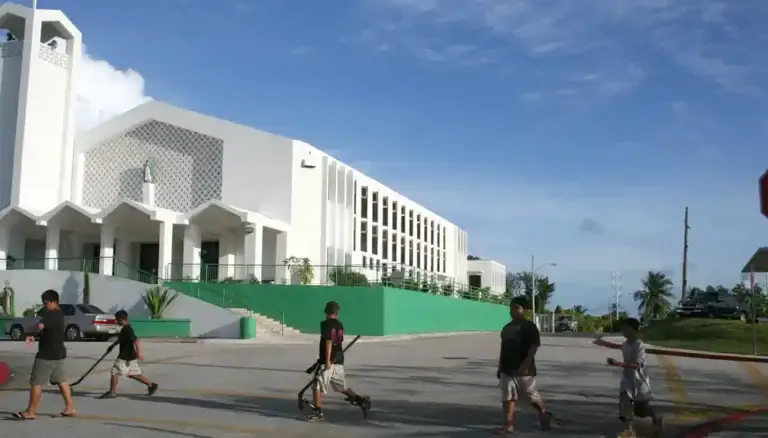
It is said that wild yams grew plentiful in the lands nestled above the capital village of Hagåtña. These...
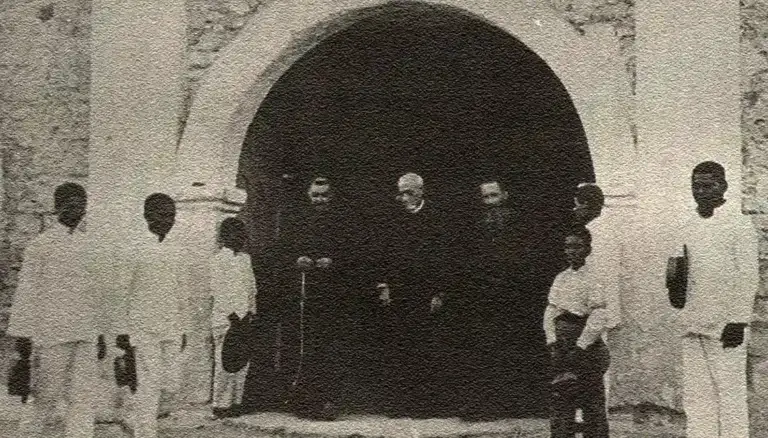
The period between 1907 and 1911 when German Catholic missionaries were officially in charge of Guam...
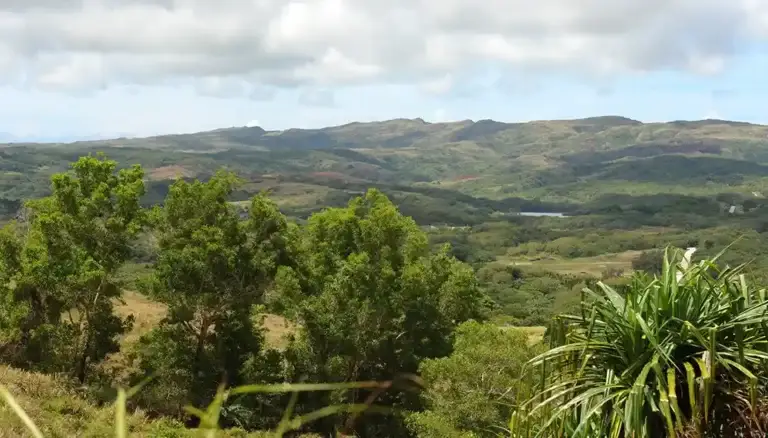
Sånta Rita-Sumai is one of two villages that does not have a name derived from the CHamoru language....
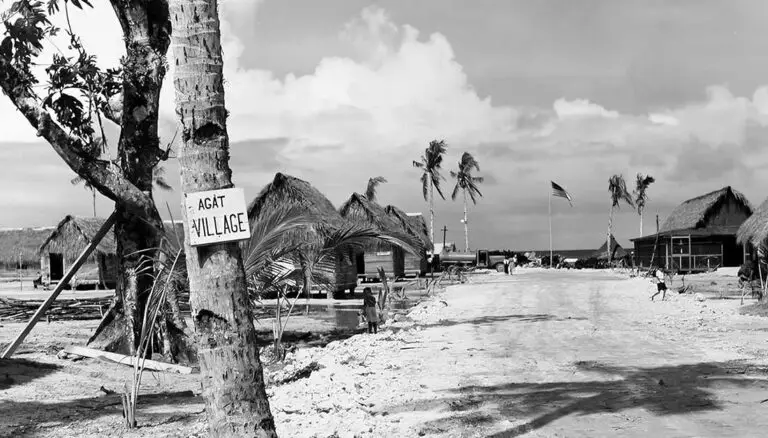
Throughout the 19th century, northern Guam had always had about five times more residents than did southern...
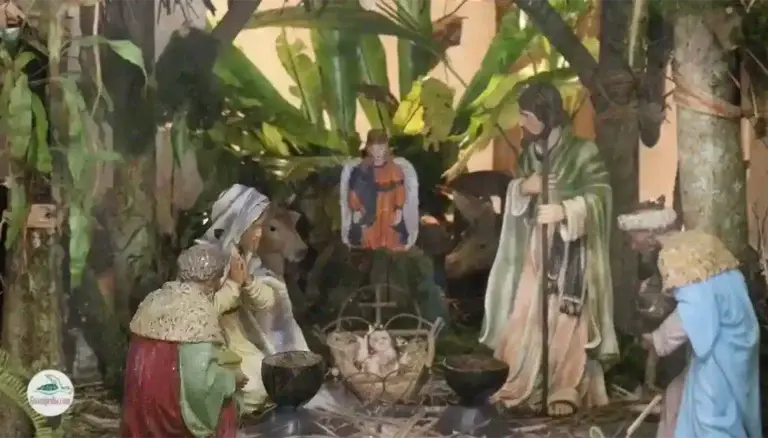
Every year, during the Christmas season, Catholic families gather for nine nights of devotional prayers...
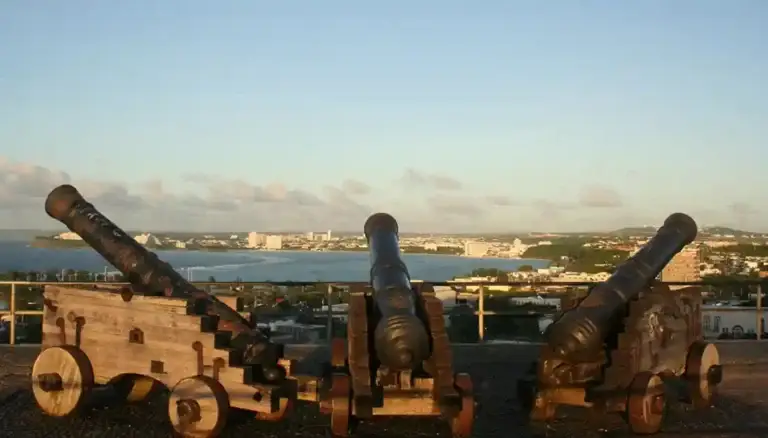
On 10 October 1792, Muro received an appointment as governor of the Marianas. He set sail again from...
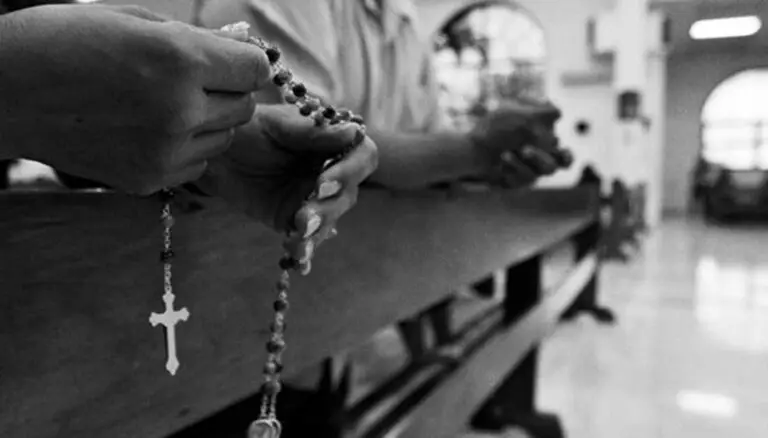
The following are texts of Fundamental Catholic prayers in both Chamorro/CHamoru and English. They are...
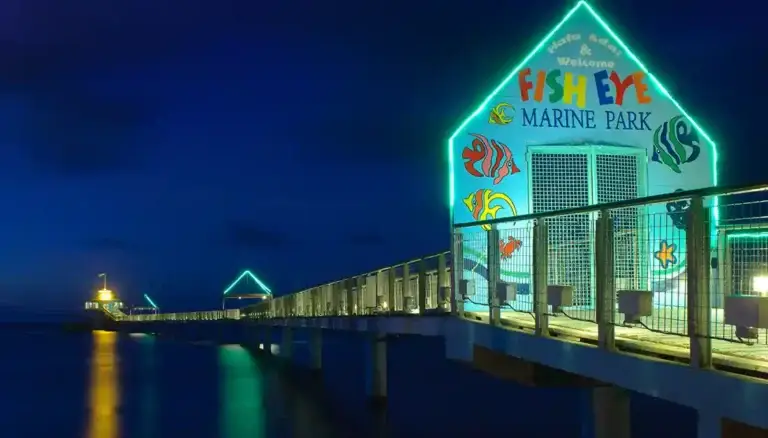
The village name is probably derived from the CHamoru word puti, which means to hurt or ache.
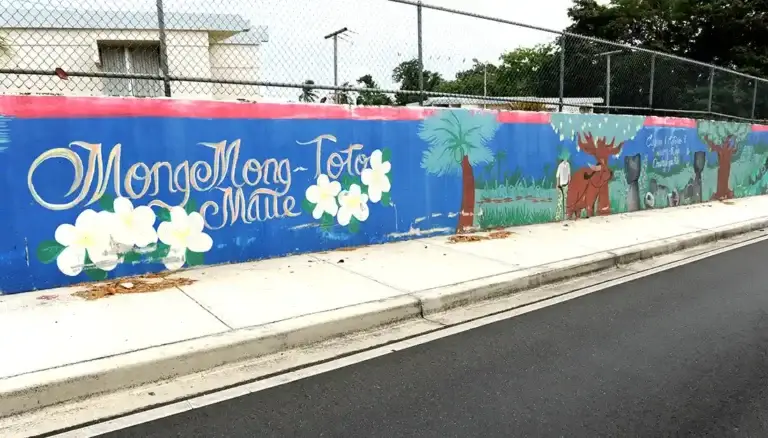
The three villages of Mongmong, Toto, and Maite comprise one municipality.
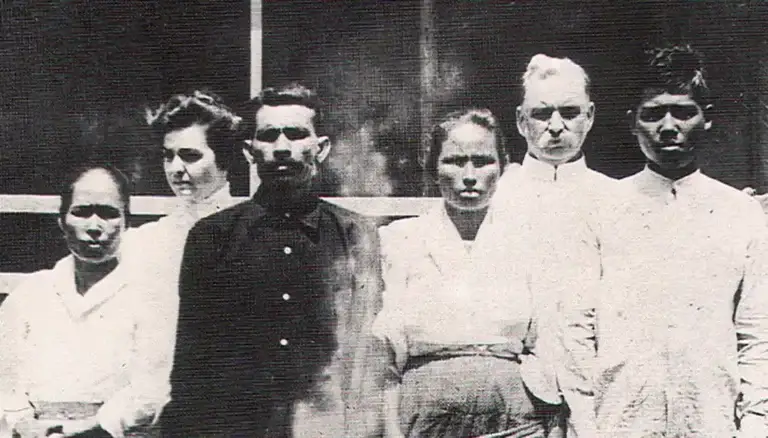
Organized western religion has created two major upheavals in the daily lives of the Chamorro people...
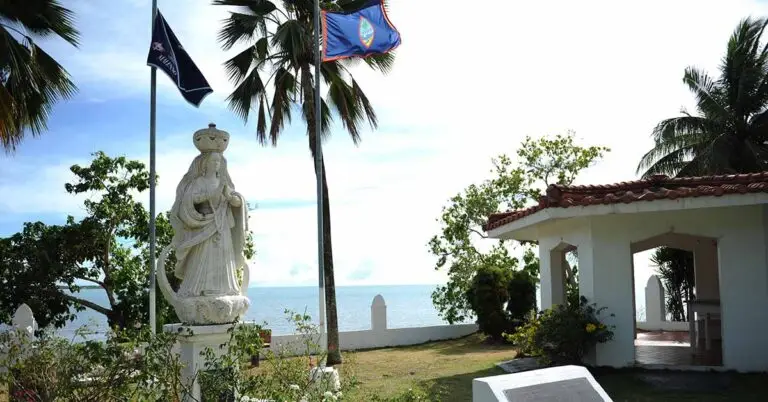
Always known as a place for fishing, the village’s original name, Malesso’, derives from the CHamoru...
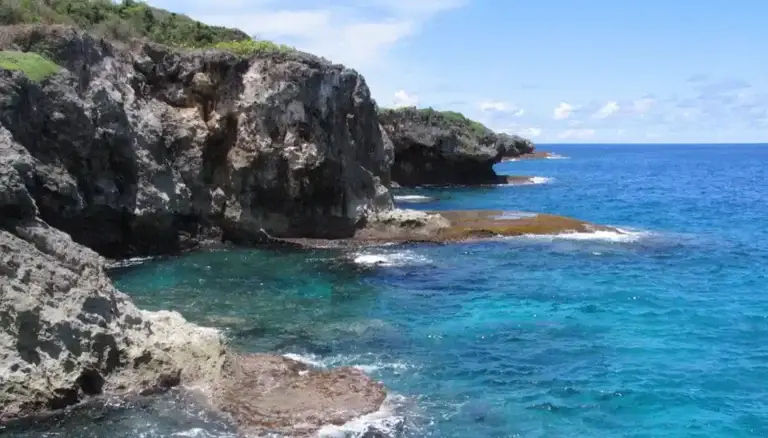
Mangilao derives its name from the word ilao, which means to look for something. In the past, hunters...
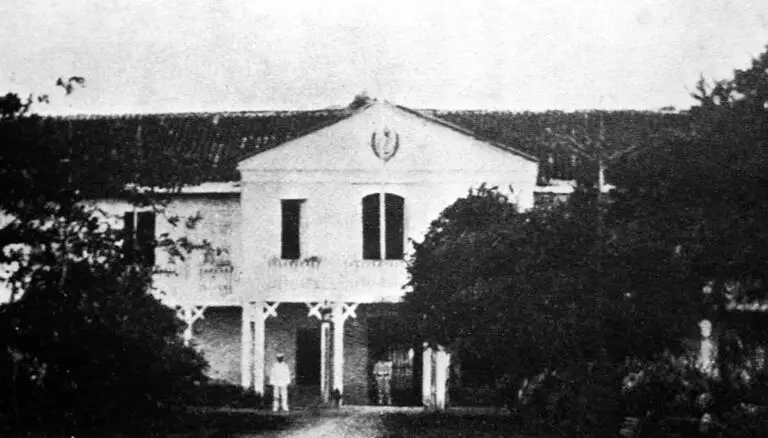
The last Spanish-appointed Governor of the Mariana Islands, Juan Marina Vega (1846 - 1909), more commonly...
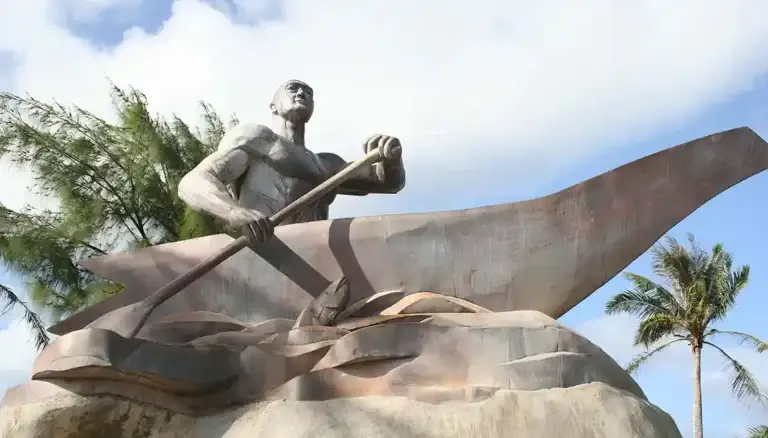
The village’s CHamoru name, Inalåhan, probably refers to the åla or large woven coconut-leaf harvest...
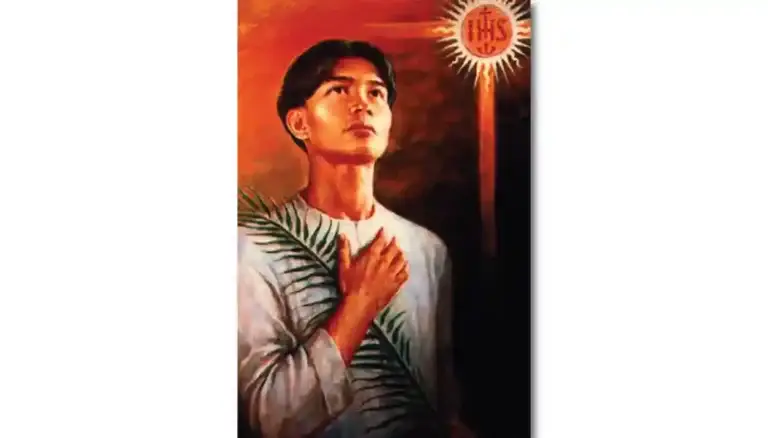
Pedro Calungsod arrived in Guam 15 June 1668, along with Father Diego Luis de San Vitores and a group...
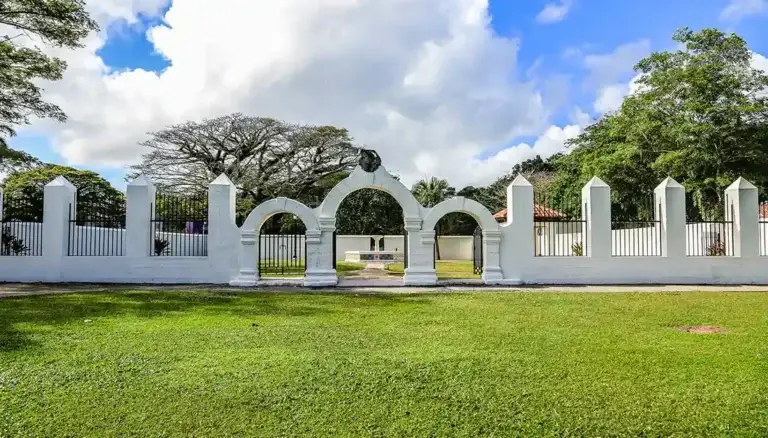
Hagåtña is derived from the word haga, meaning blood. It is believed that this village came about due...
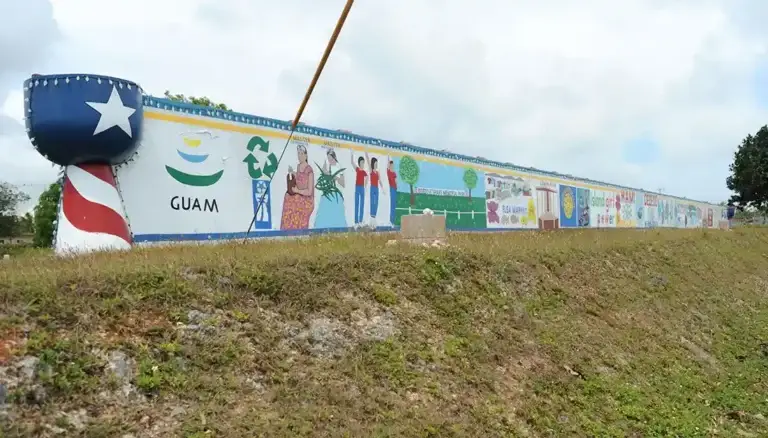
The origin of the village name Dededo, Dedidu in CHamoru, may come from the practice of measuring using...
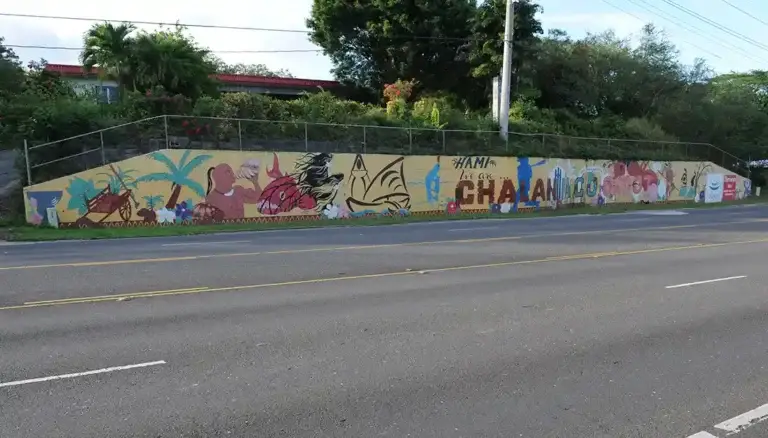
Chalan Pago is a CHamoru word that means “Pago Road.” Chalan Pago referred to the area traveled through...

Padre Don Jose Bernardo Palomo y Torres (1836 - 1919) was the first CHamoru priest. He is most often...
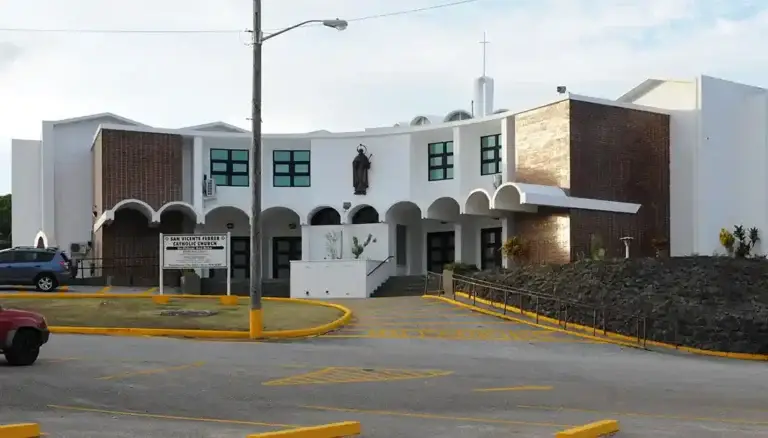
Barrigada comes from the CHamoru word meaning “flank” (the side of the stomach). The first written mention...
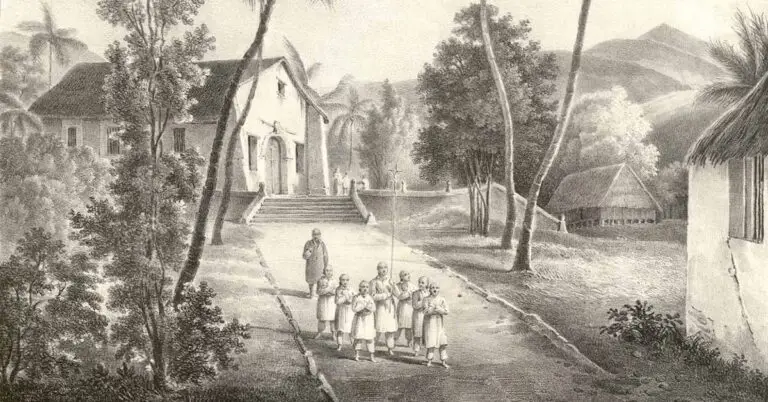
The Society of Jesus, or the Jesuits, first brought the Catholic faith to the Mariana Islands in 1668....

In March 1602, Franciscan lay brother Fray Juan Pobre de Zamora deserted a ship off the shores of Rota,...
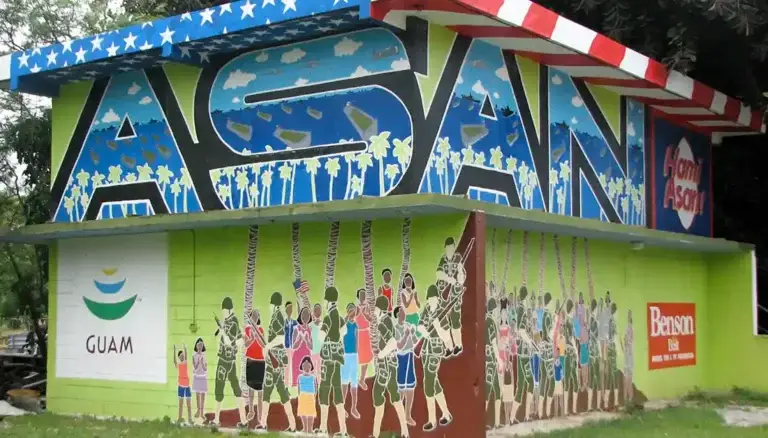
The village of Asan probably derives its name from the word Hassan, which means scarce or rare in CHamoru....
Fray Francisco Resano del Sagrado Corazon de Jesus (1851 - 1914), a member of the Order of the Augustinian...
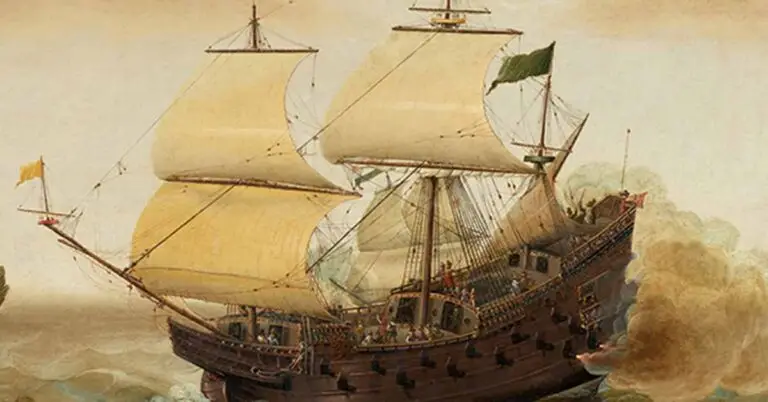
Fray Antonio de Los Ángeles was the first known Catholic missionary to write an account of Chamorro/CHamoru...
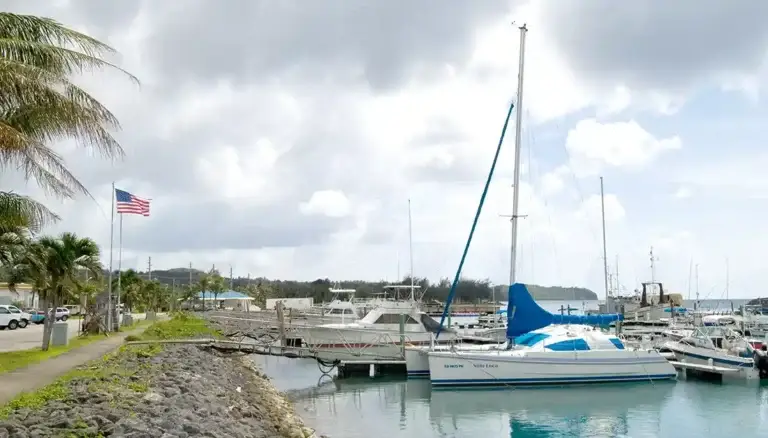
The village of Hågat may have been named by the first clan who came to settle in the area from the northern...
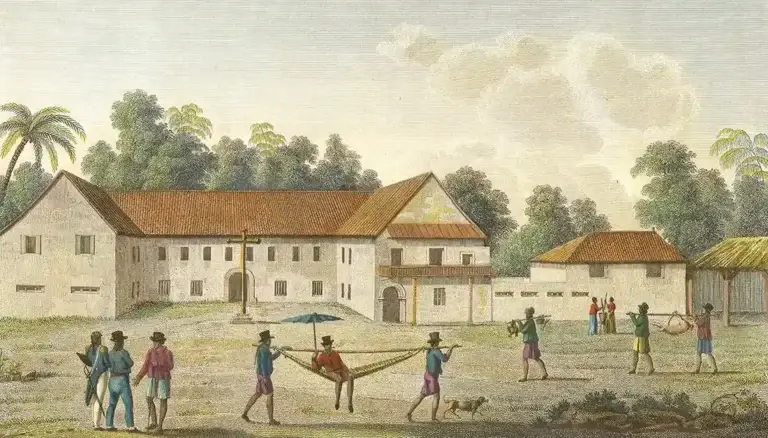
Father Luís de Medina (1637 - 1670) was the first Jesuit martyr of the Marianas. He was born on 3 February...
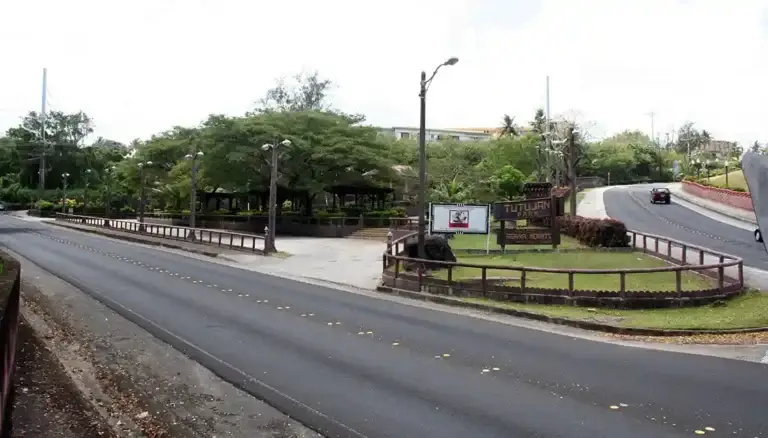
Agana Heights sits just above the capital city of Hagåtña and was a resettlement community for many residents...
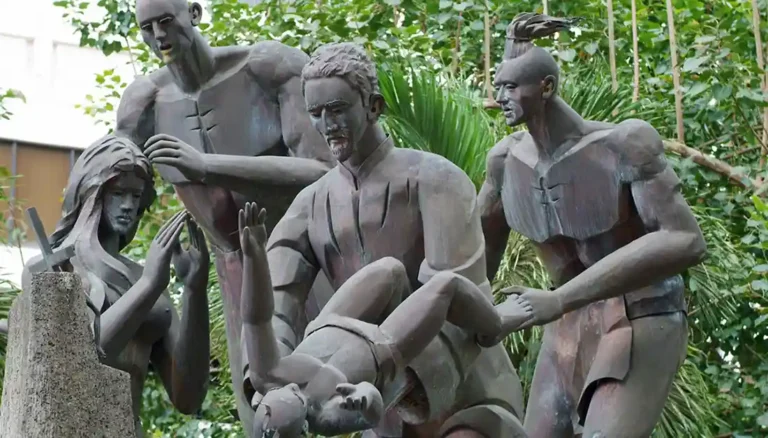
Father Diego Luis de San Vitores (1627 - 1672), a member of the religious order of the Society of Jesus...
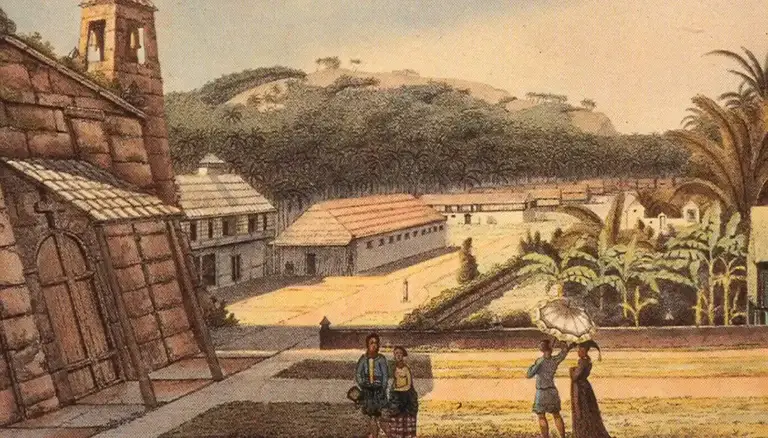
Father Aniceto Ibáñez del Carmen (1828 - 1892) is an important fixture in the history of the Order of...
Father Don Ciriaco de Espiritu Santo (abt 1780 - 1849), a Filipino, spent 34 years in the Marianas, particularly...
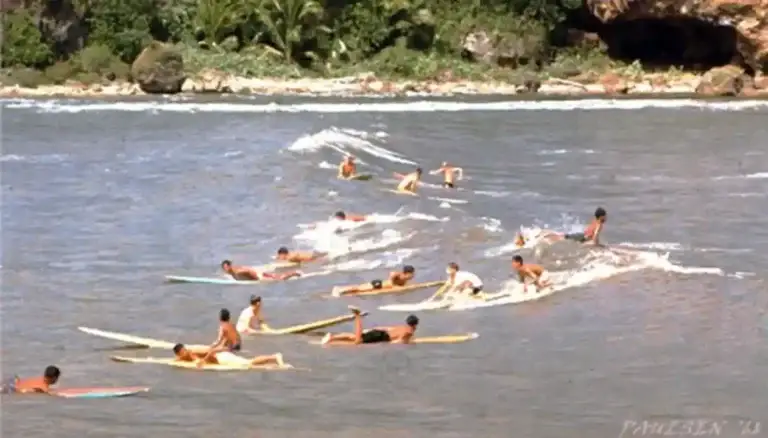
People first started riding the waves on Guam in the early 1960s. Guam surfers from that era remember...
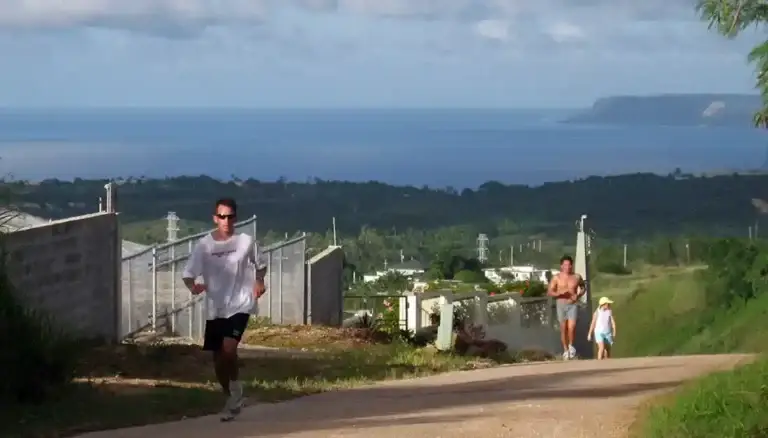
Running on Guam has evolved over the years from a handful of hardcore, dedicated runners who would meet...
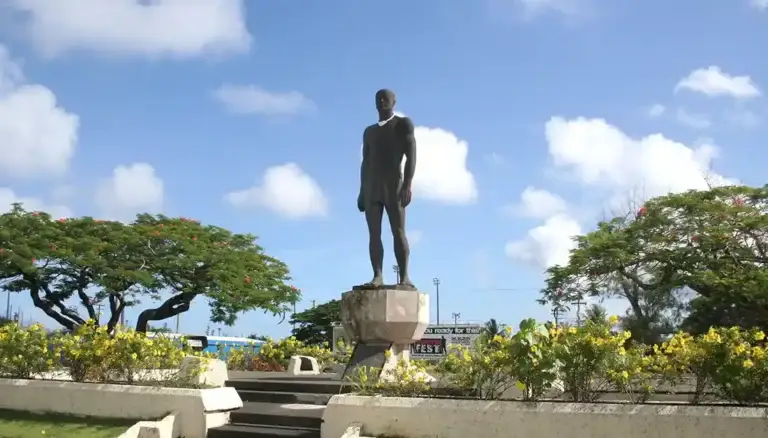
Kepuha (also spelled Quipuha) was a maga'låhi from Hagåtña, whose role in welcoming Spanish missionaries...
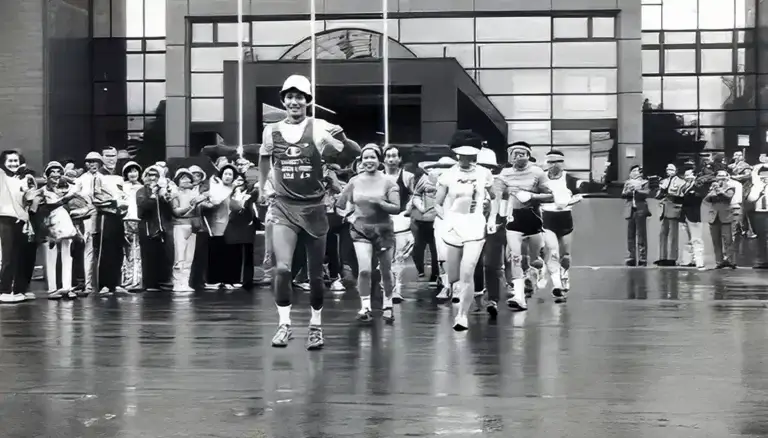
Fred Schumann has been one of Guam’s top runners since the late 1970s. Along with Guam runner Joe Taitano,...
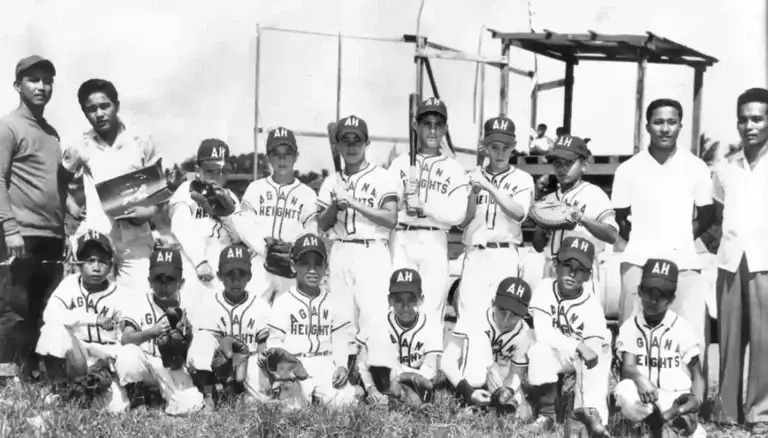
Youth baseball on Guam developed as an organized sport after World War II and enjoyed several decades...
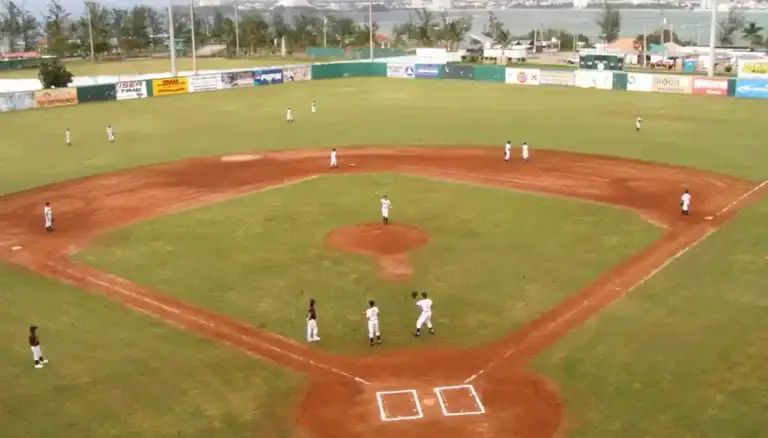
Baseball arrived in Guam with the Americans, and seems to have been played almost as soon as the Americans...

The Guam Major League was formed in 1974 and has been Guam’s premier baseball league ever since, although...
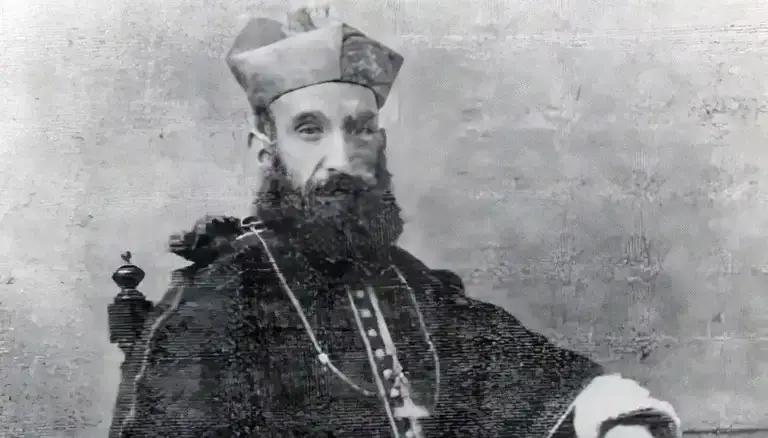
Bishop Joaquín Felipe Oláiz y Zabalza (1872 - 1945) was the third Apostolic Vicar of Guam.
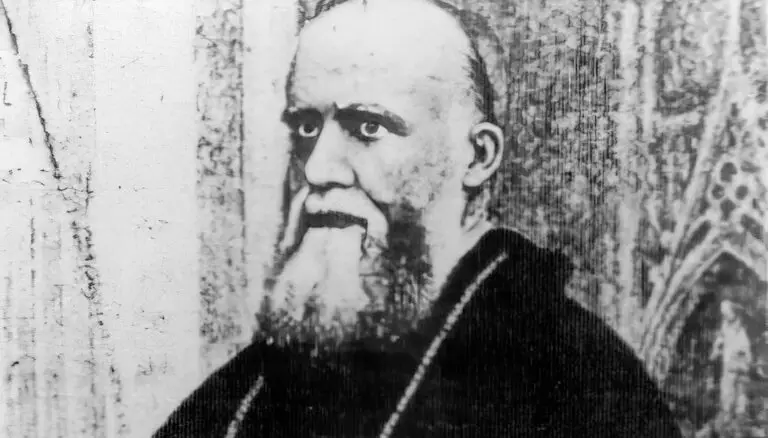
Bishop Agustín José Bernaus y Serra, or Bishop Bernaus, was the second Apostolic Vicar of Guam. When...
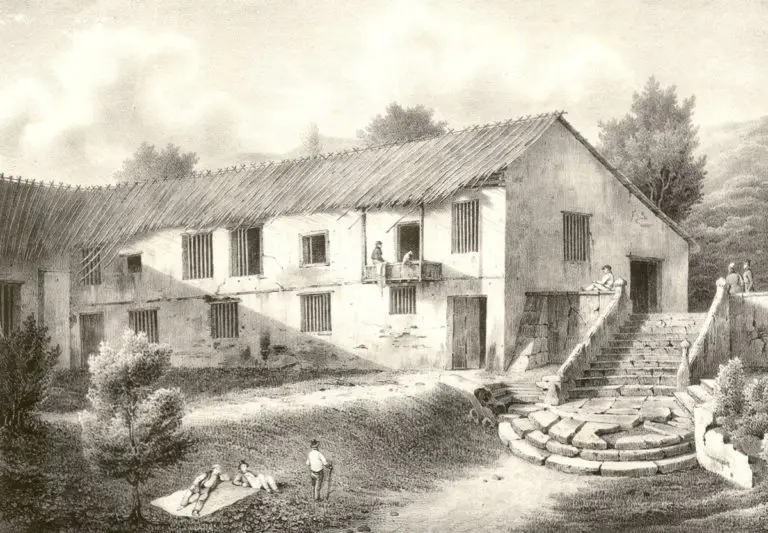
The second religious order of Catholic missionaries, who were given responsibility for the Marianas mission...

Manma’gas is the Chamorro/CHamoru word for leaders when referred to as a group. In ancient Guam, CHamoru...
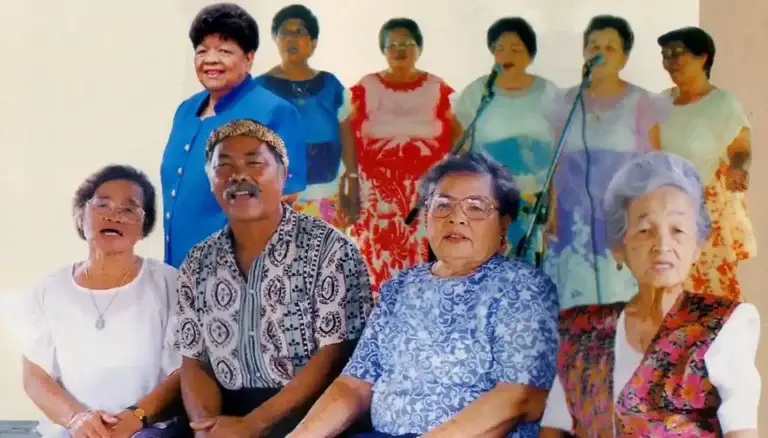
Kantan Chamorita is the contemporary name given to traditional call-and-response, impromptu verse-making....
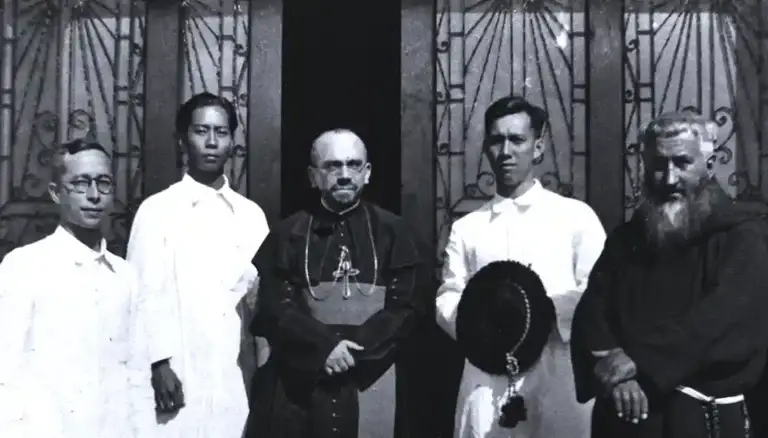
From a religious perspective, World War II in Guam, or I Tiempon Chapoñes as Chamorros/CHamorus referred...
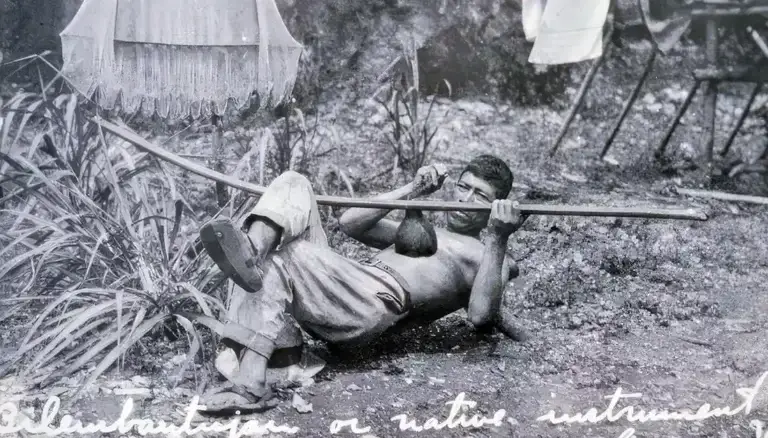
The belembaotuyan is a long single-stringed musical instrument historically found on Guam. It is classified...
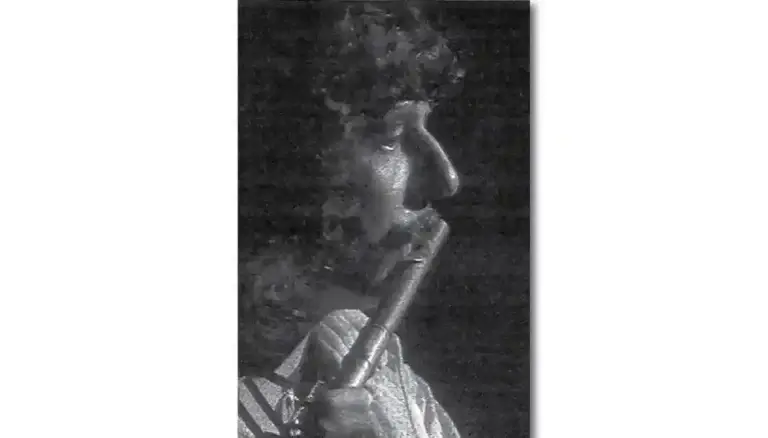
Roberto Fracassini of Florence, Italy, began to play music around the age of six years old. He became...

Born in Devonshire, England, Patricia Williams Rivera, better known as Patti Lane, was drawn to music...
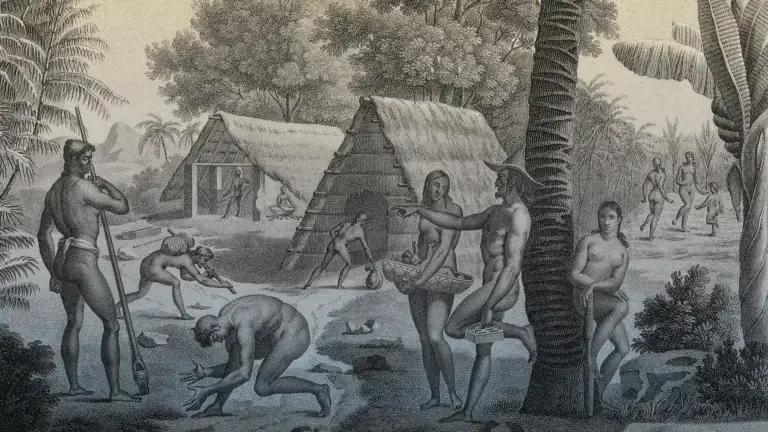
The Matua controlled the most resources and lands and were the most politically powerful class. Historical...

Patrick Palomo’s interest in music developed at an early age when he would follow his father, the well-known...
A maga’låhi was the first born, high ranking (matua) male head of a CHamoru clan, a role inherited through...

Norbert Tydingco is best known for playing the smoothest chord progressions in the local jazz arena earning...
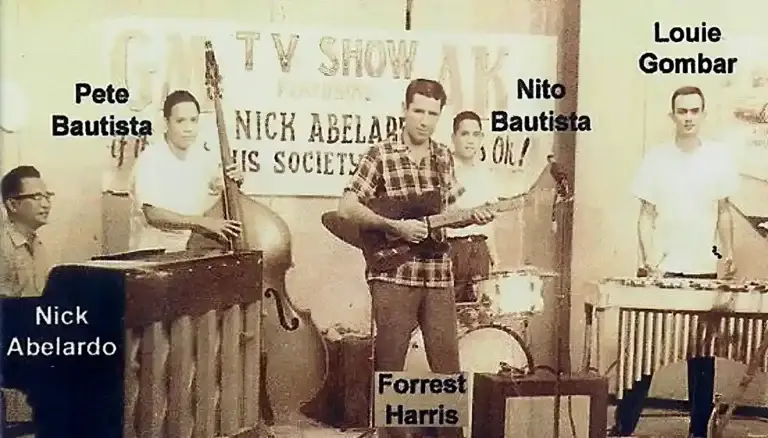
Louie Gombar is an accomplished musician on Guam known for his playing of the vibes (vibraharp). Gombar...
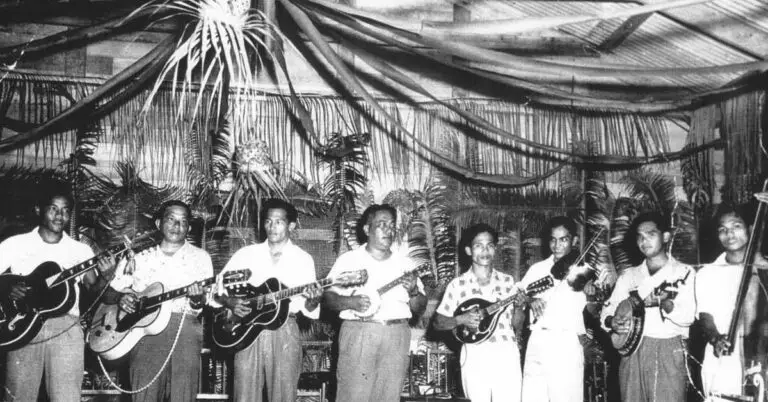
Jose Naputi Gumabon, Sr. (1904 - 1968) was musically and artistically gifted. He formed a stringed orchestra...

Guitarist Joaquin "Ding" Palomo (1923 - 1997) was a well-known and well-accomplished musician. Although...
The idea of the world being divided into different realms, as was common in the Chamorro/CHamoru view...

A maga’håga was the first born, high ranking (of the matua caste) female head of a CHamoru clan, a role...
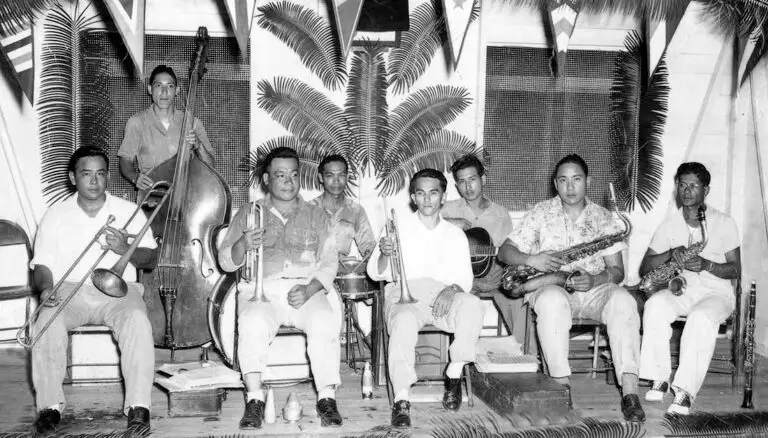
Francisco Garrido Franquez (1921 - 2006), also known as "Frank" or "Ankie," first picked up the harmonica...
Ancient Chamorros/CHamorus, as well as CHamorus today, practice ancestral worship, or the veneration...
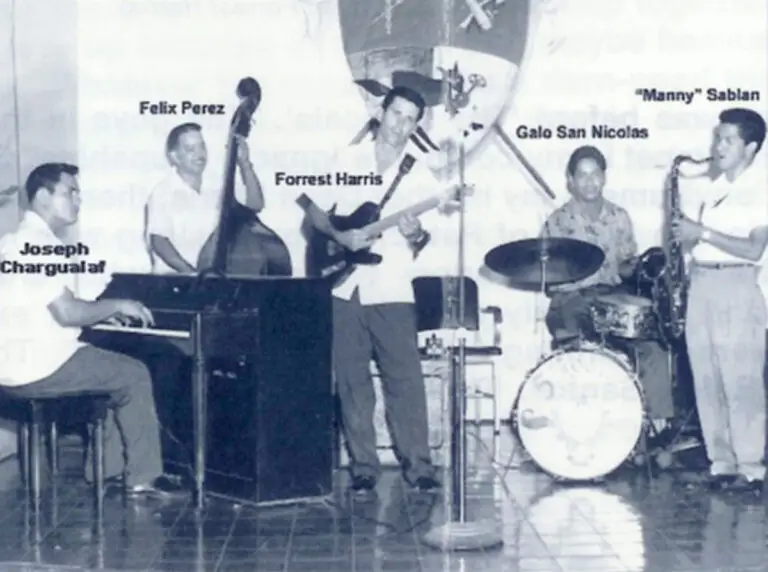
Forrest Harris (1932 - ) first found his interest in music at nine years old while strumming a ukulele...
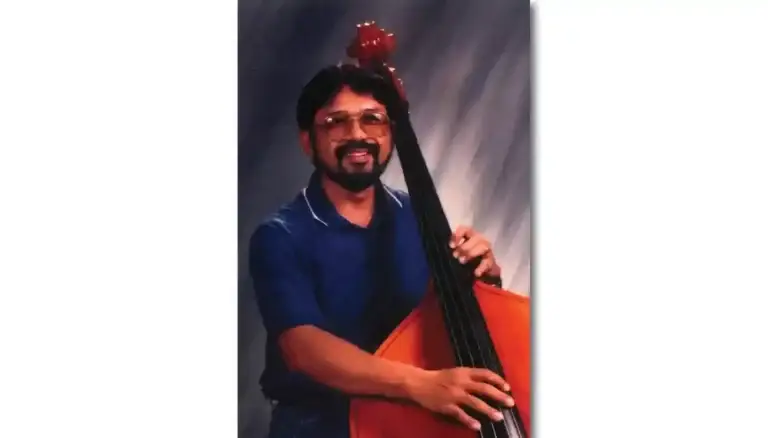
Carlos T. Laguana grew up at a time when noted jazz musicians throughout Guam were making a name for...
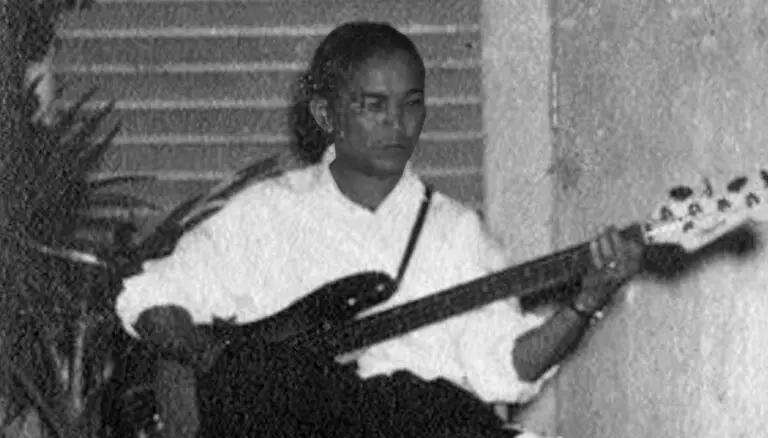
Carlos Cruz Laguana was born on 4 November 1925, and died at age 65 on 30 June 1991. He was a banker...
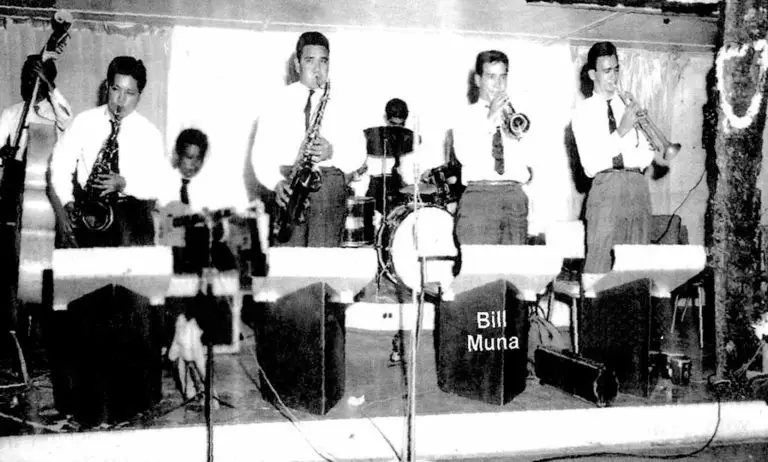
George William Pereira Muna, more commonly known as Bill Muna, was a noted musician and active member...
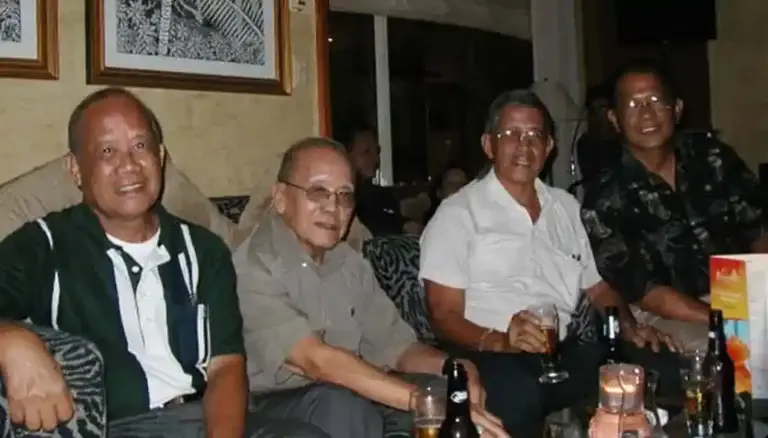
The Bautista brothers moved to Guam from the Philippines during the early 1950s. They were and are still...
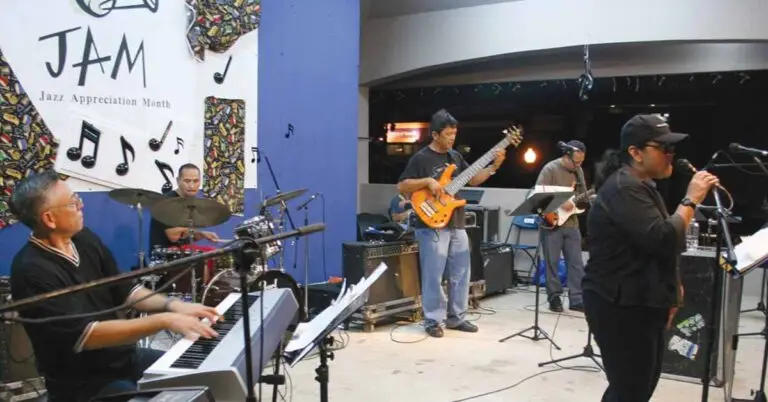
Jazz is a unique style of modern music. Remnants of jazz can be heard in several different styles of...
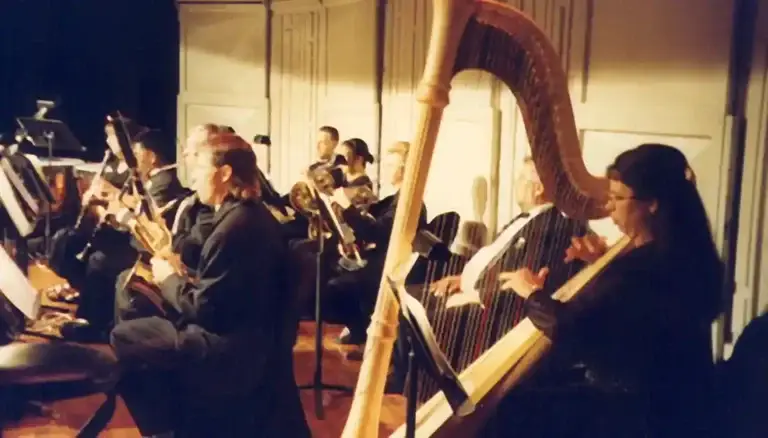
Prior to 1966 the Guam Symphonic Wind Ensemble provided Guam with the only live symphonic music performances...
Contemporary CHamoru music is a ubiquitous part of life on Guam at the beginning of the 21st century...
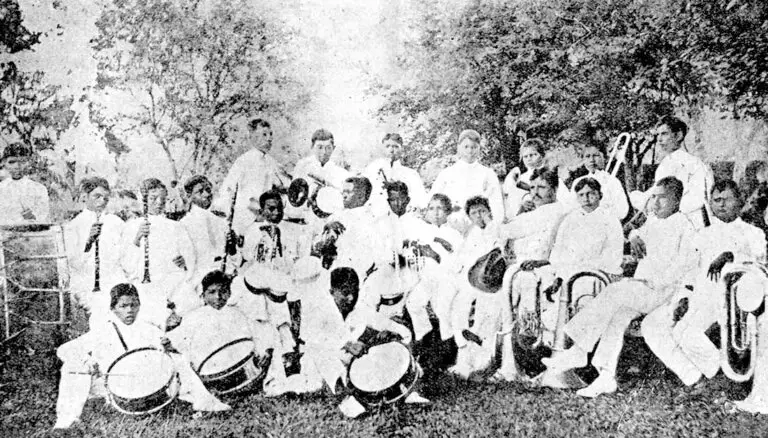
When Lt. Commander William Sewell served as the third American Governor of Guam beginning in 1903, he...
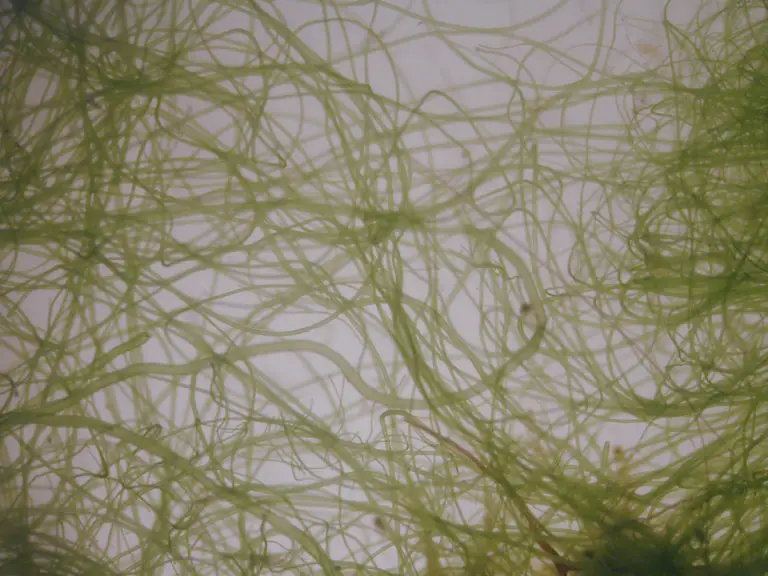
Seaweeds, or marine benthic algae, constitute the primary plant life in the marine waters around Guam....
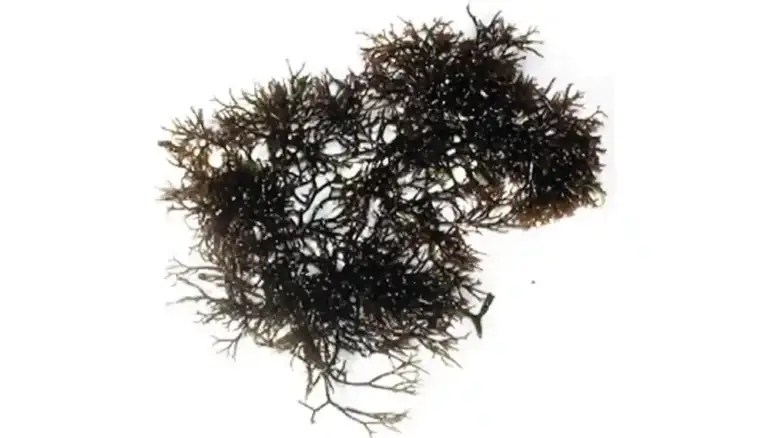
The notoriety of the red seaweed, Gracilaria tsudae, (Division Rhodophyta, Class Rhodophyceae, Order...
The green seaweed Enteromorpha clathrata (Roth) Greville grows profusely along the shoreline on certain...
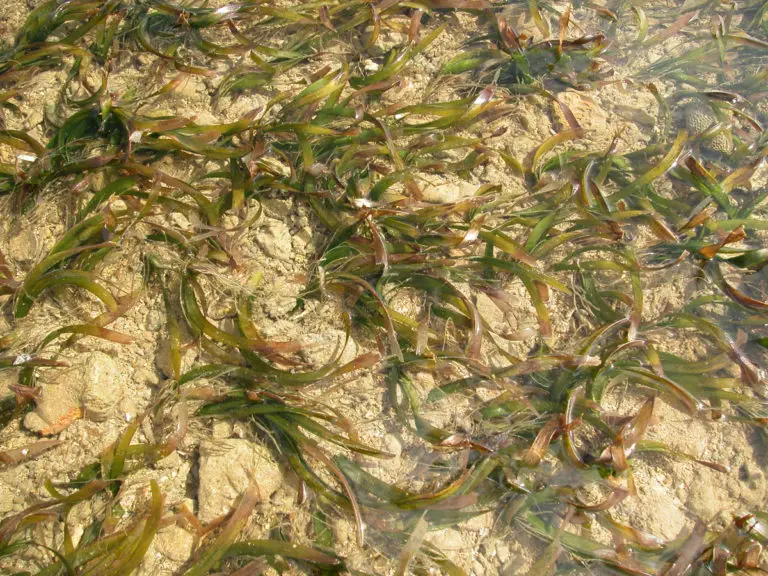
Seagrasses (Division Magnoliophyta, Class Magnoliopsida, Order Helobiae) differ from seaweeds (algae)...
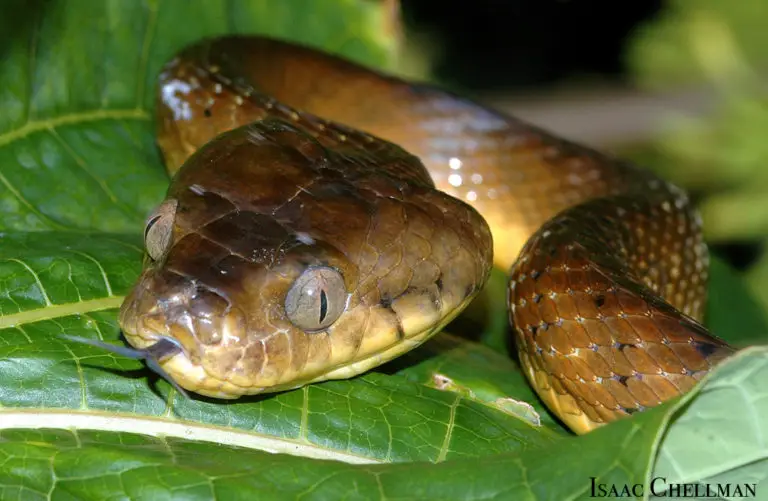
The brown treesnake was accidentally introduced most likely by the US military to Guam in the late 1940s...
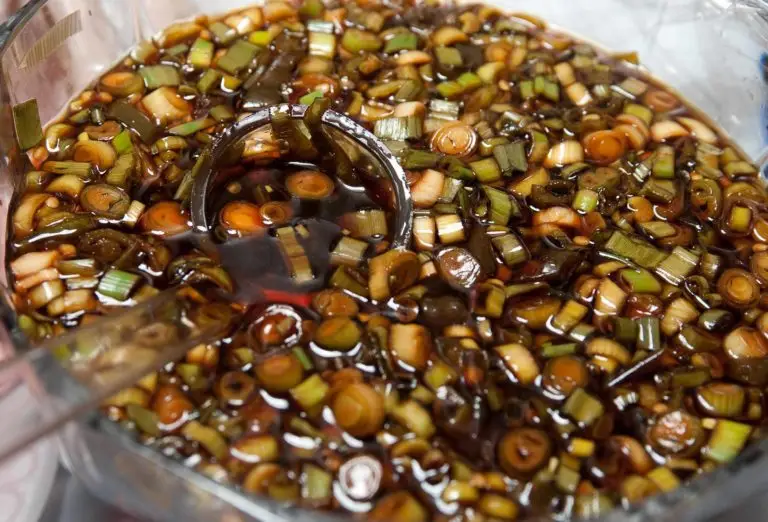
Fina’denne’ (commonly misspelled finadene or fina’dene) is a spicy sauce used as a condiment.
This recipe is from Lepblon Fina’tinas Para Guam: Guam Cookbook, 1985. Reprinted with permission from...
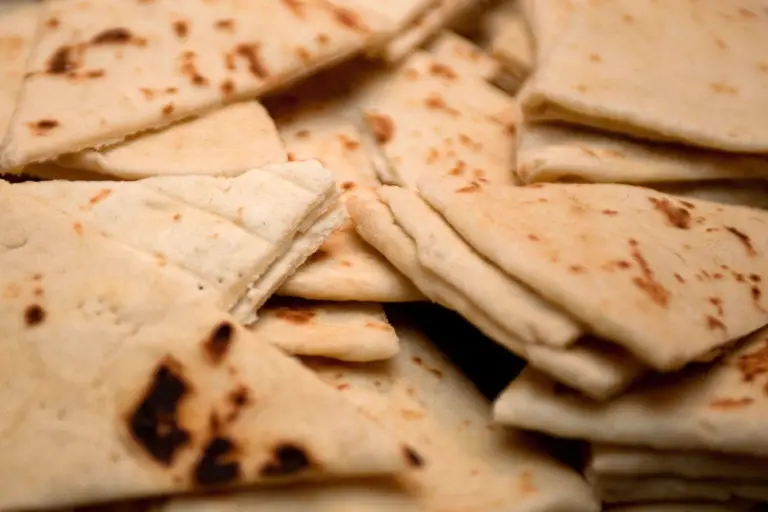
Titiyas, derived from the Spanish word “tortilla,” is a flatbread made from the flour of corn, wheat...
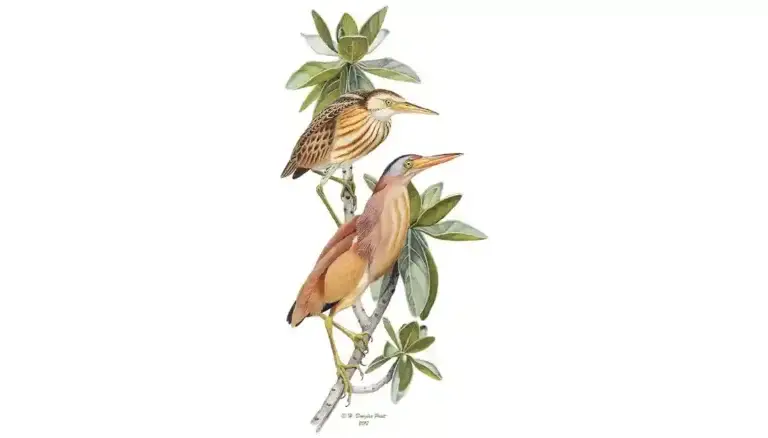
Yellow bittern live in a variety of habitats including savanna, forest, offshore islands, tangantangan,...
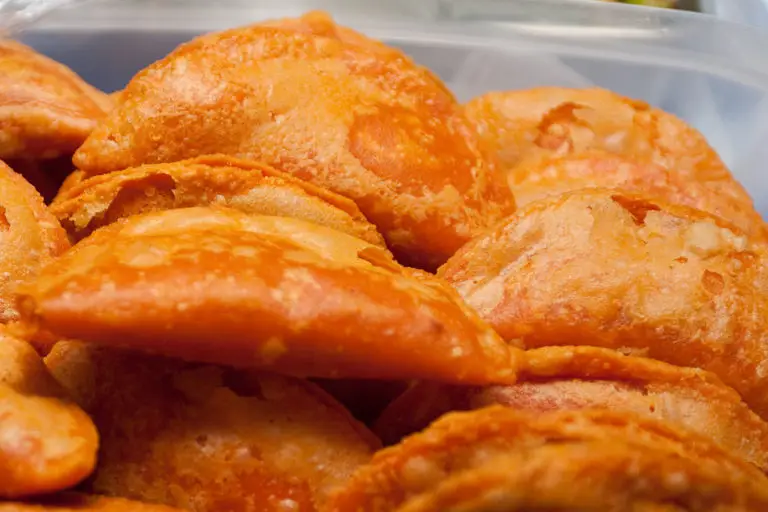
This recipe is from Lepblon Fina’tinas Para Guam: Guam Cookbook, 1985. Reprinted with permission from...
This recipe is from Lepblon Fina’tinas Para Guam: Guam Cookbook, 1985. Reprinted with permission from...
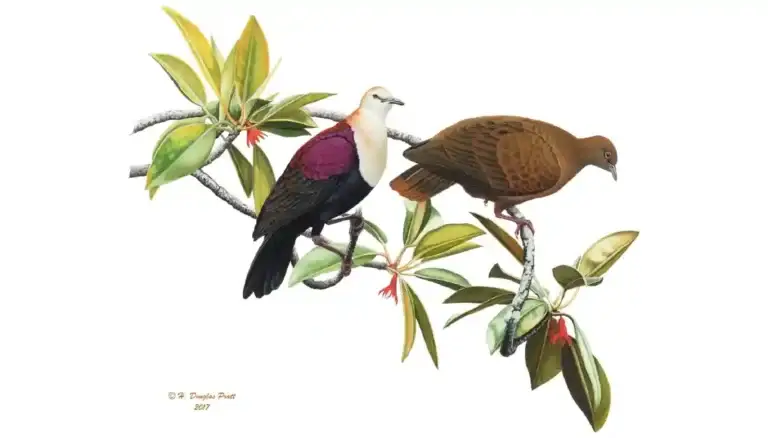
This dove lives in limestone forests and is secretive. It feeds on fruit, seeds and flowers. It nests...
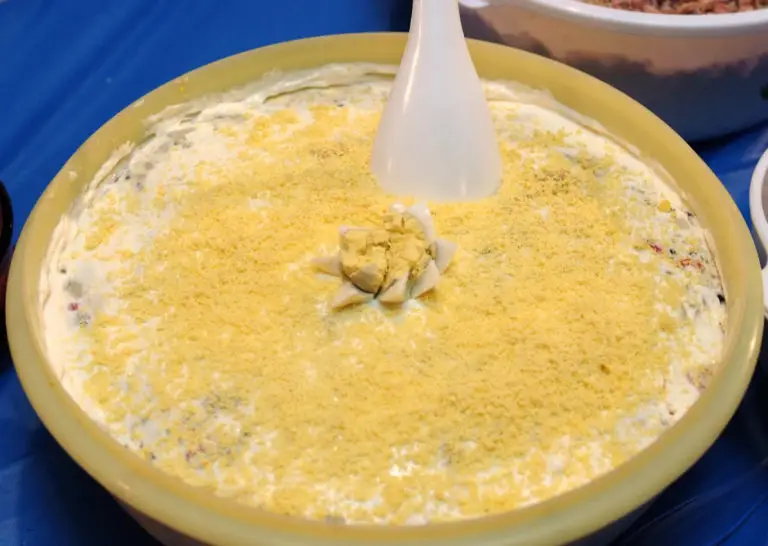
This recipe is from Lepblon Fina’tinas Para Guam: Guam Cookbook, 1985. Reprinted with permission from...
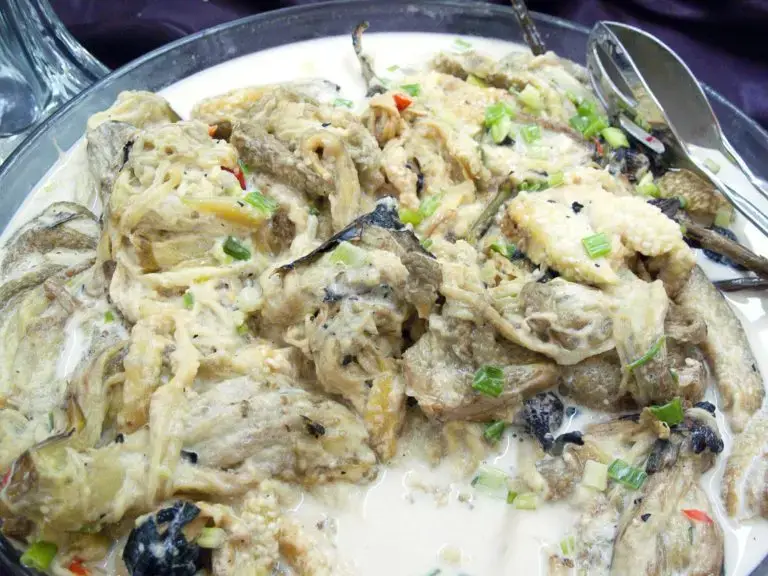
This recipe is from Lepblon Fina’tinas Para Guam: Guam Cookbook, 1985. Reprinted with permission from...
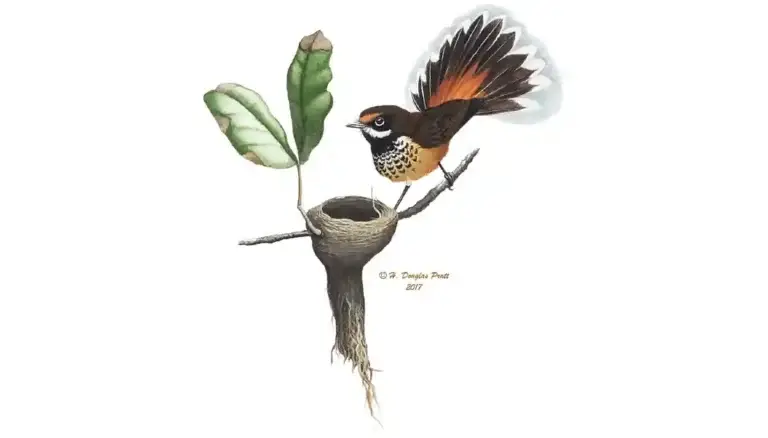
Limestone forest understory is their home. Pairs of fantails produce two nests of young a year. The nests,...
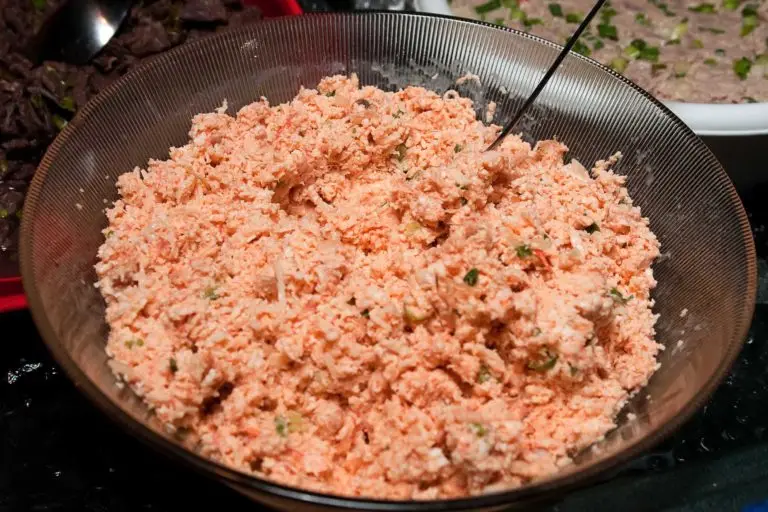
This recipe is from Lepblon Fina’tinas Para Guam: Guam Cookbook, 1985. Reprinted with permission from...
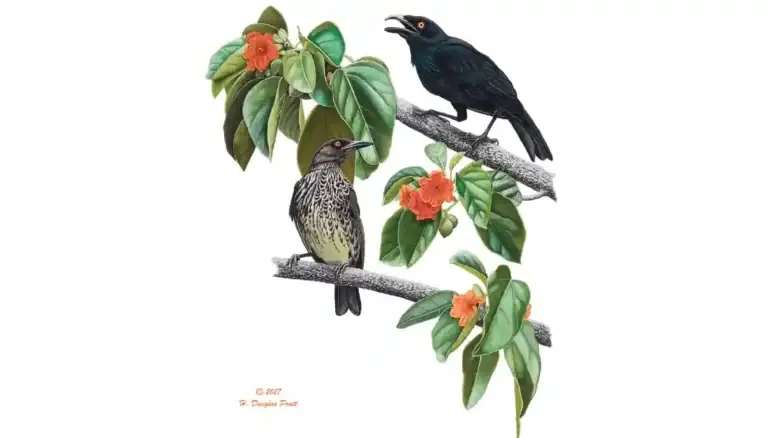
It lives in many habitats from seacoast limestone cliff faces to forested mountain tops and on atolls....
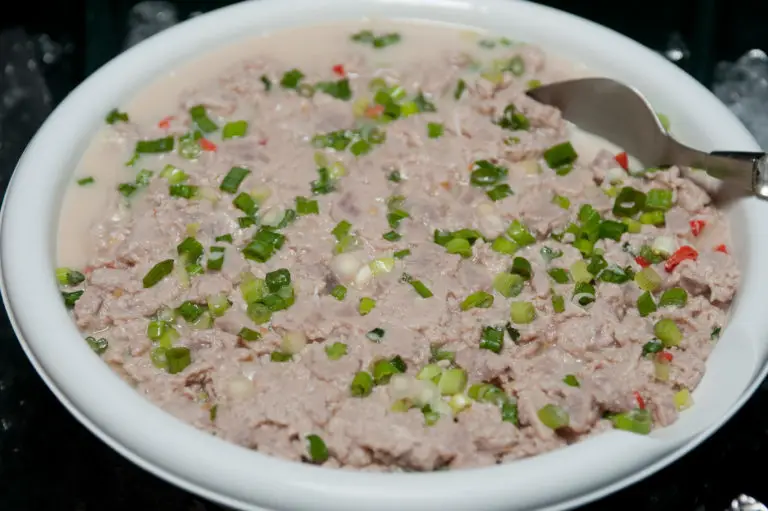
This recipe is from Lepblon Fina’tinas Para Guam: Guam Cookbook, 1985. Reprinted with permission from...