

Ancient Guam Era
Manachang
In the social organization of Chamorro/CHamoru society, individuals from the lowest class were known as manachang. In her study of early CHamoru culture, anthropologist Laura
In the social organization of Chamorro/CHamoru society, individuals from the lowest class were known as manachang. In her study of early CHamoru culture, anthropologist Laura
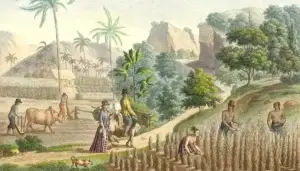
Under Spanish colonial rule, the introduction of Spanish customs, social systems and land tenure disrupted traditional practices of land ownership and social class structure of
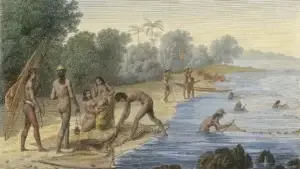
Early accounts of traditional Chamorro/CHamoru society describe at least two distinct social castes—the chamorri, or upper caste, and the manachang, or lower caste. The chamorri
The social ranking of individuals, whether by age, gender or social status, has always been important in Chamorro society. In pre-Spanish times, social status dictated
The story of the two lovers who tied their hair together and leapt to their death on Guam was first recorded by French researcher Louis
The Matua controlled the most resources and lands and were the most politically powerful class. Historical accounts give us a clear image of their place