Guampedia Search & Sitemap
Posts & Entries
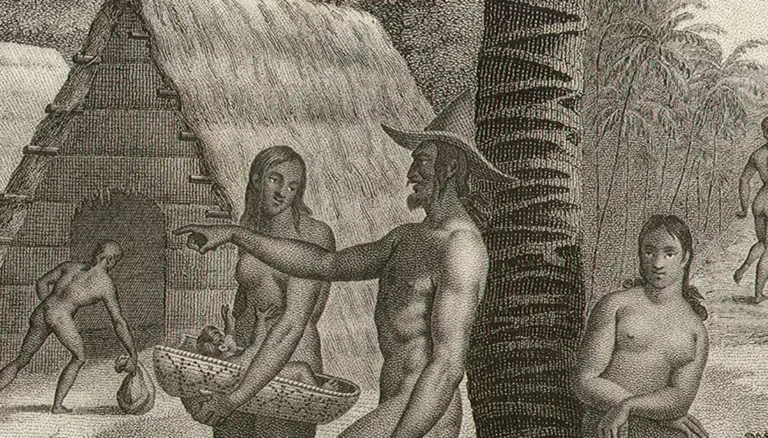
Kumaire, is religious and social term to describe the relationship between parents and their child’s...
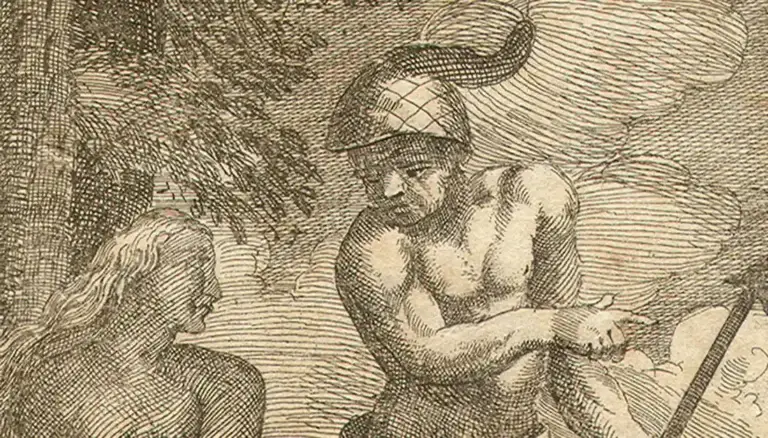
Ma uritao, an ancient CHamoru term used before Christianity was introduced to the CHamoru people, descri...
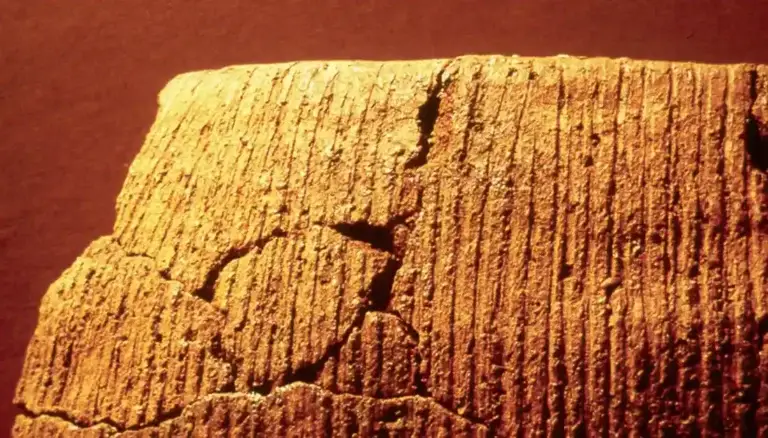
When Chamorro/CHamoru males reached puberty during ancient times, they were sent to live at the Guma’...
I mangguma’ uritao, men’s houses, were houses for young CHamoru men in the Mariana Islands from ancient...
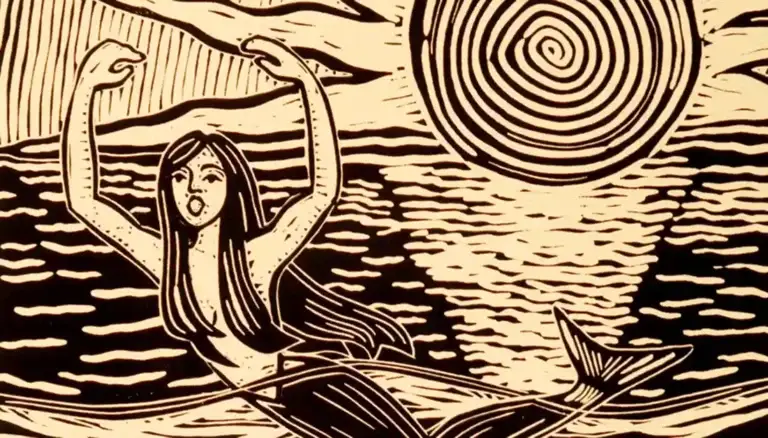
The mythological maiden, Sirena, in the 'I Tetehnan’ manuscript is considered a proverb, and not a l...
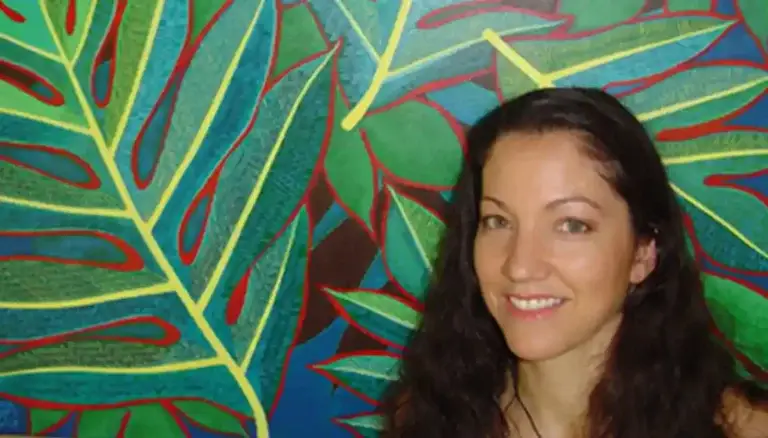
Monica D. Baza discovered art at an early age, choosing to work with lino-block printing in high school...
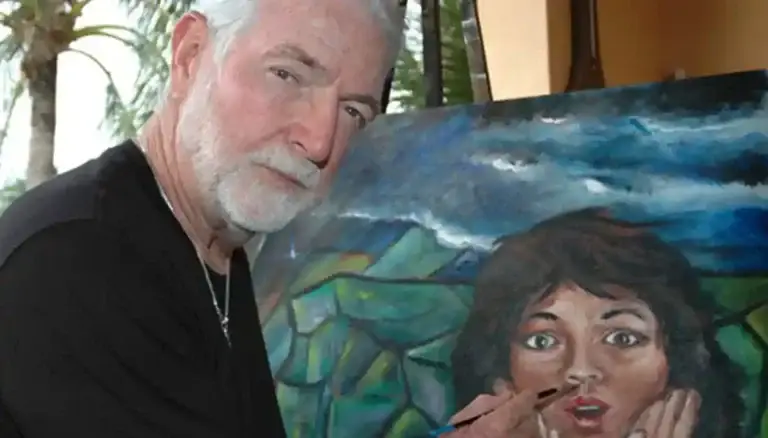
Moe Cotton, born in 1935 in Pittsburgh, Pennsylvania, got his start as an artist at a young age. He would...
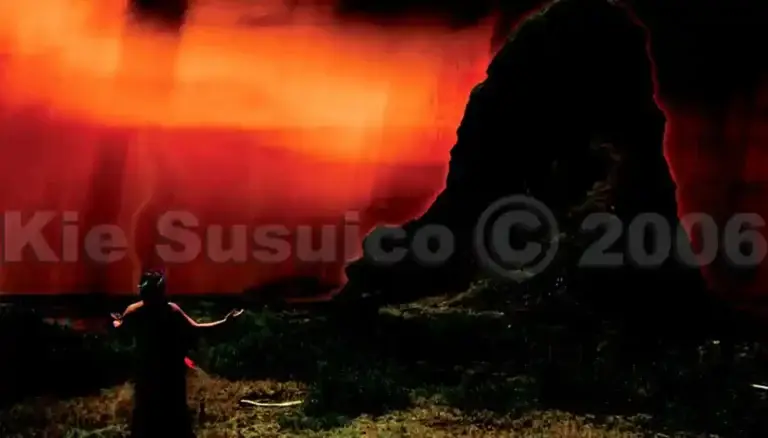
Kie Susuico is a graphic artist with an interest in art that began in childhood. Susuico credits his...
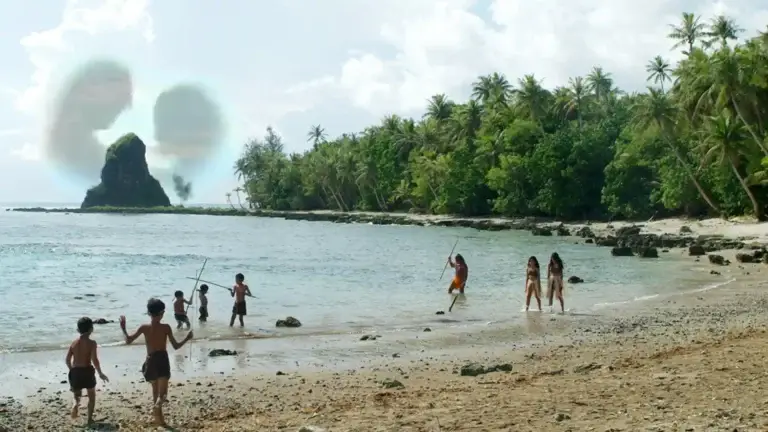
Fouha Bay, located just north of Humåtak on Guam’s southern west coast at the mouth of Fua River, holds...
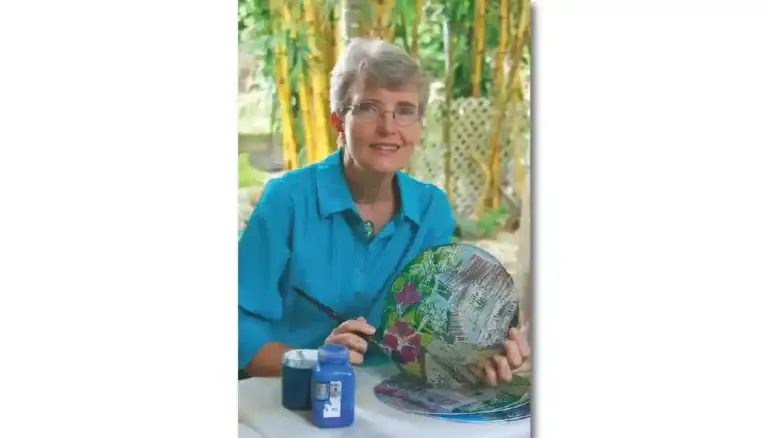
Judy Selk Flores, originally from Colorado, moved to Guam at age eleven when her parents accepted teaching...
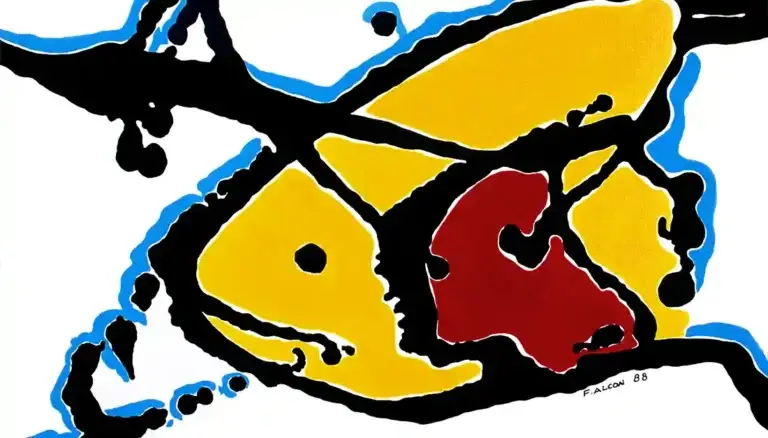
Filamore Palomo Alcon is a contemporary abstract artist who has produced his art for over twenty-five...
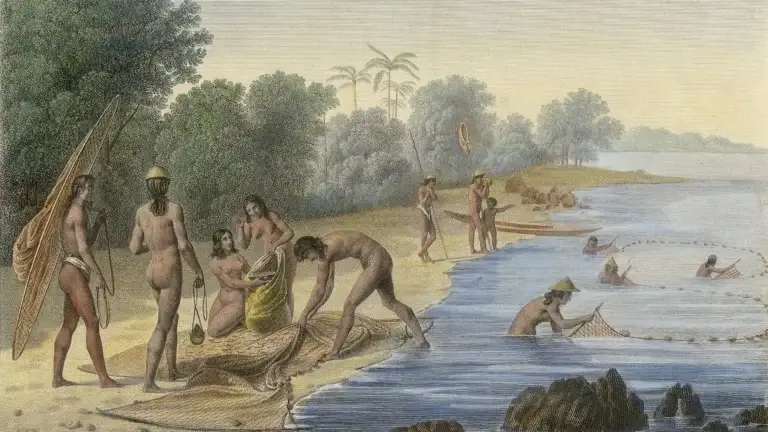
Since ancient times, Chamorro/CHamoru society has assigned both distinct and overlapping roles by gender....
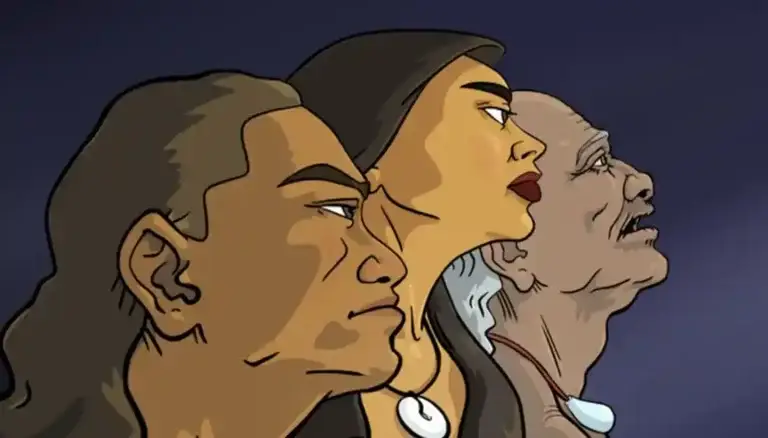
Parents and other elders are important in Chamorro/CHamoru family and culture. CHamorus gain respect...
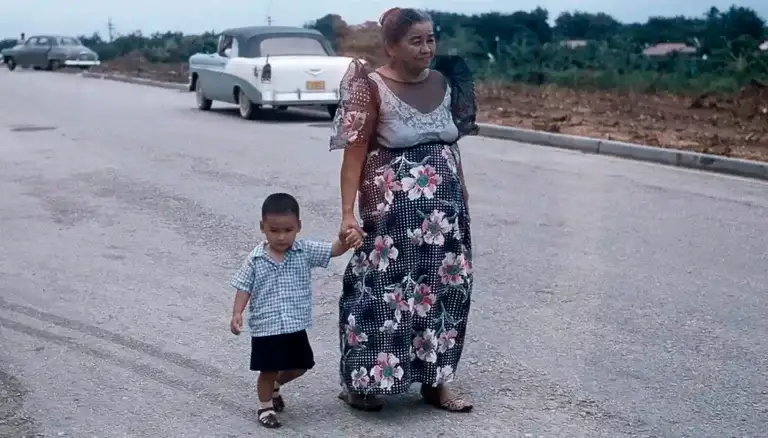
Poksai is a CHamoru verb meaning “to nurture.” It refers to the common Pacific Islander practice of informal...
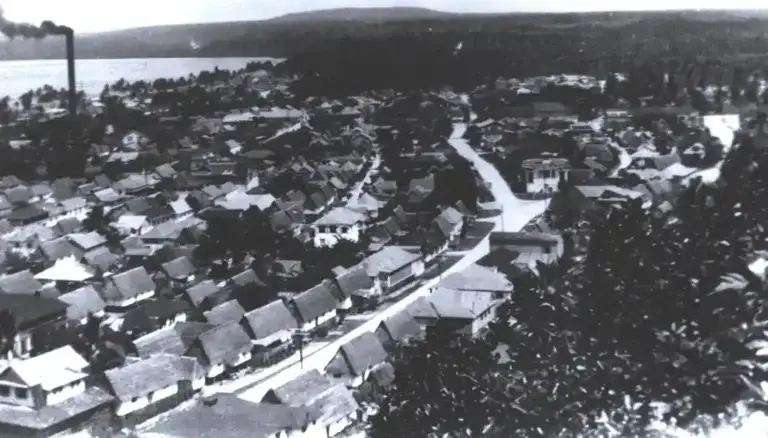
The Jose P. Lujan 1911 house in Hagåtña is listed on both the Guam and National Registers of Historic...
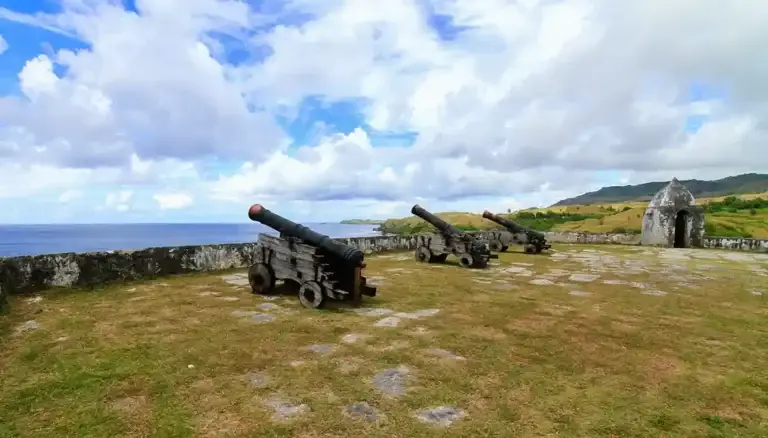
Fort Nuestra Señora de la Soledåd, or Fort Soledad, the last of four Spanish fortifications built in...
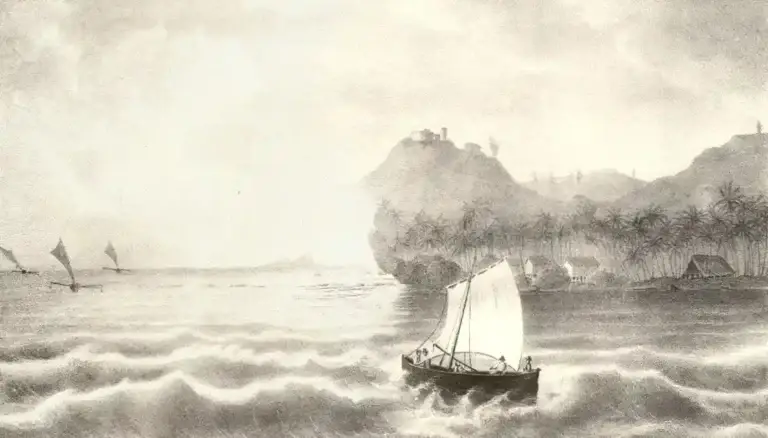
Fort Santo Angel was the second of four Spanish fortifications built in the southern village of Humåtak/Umatac...
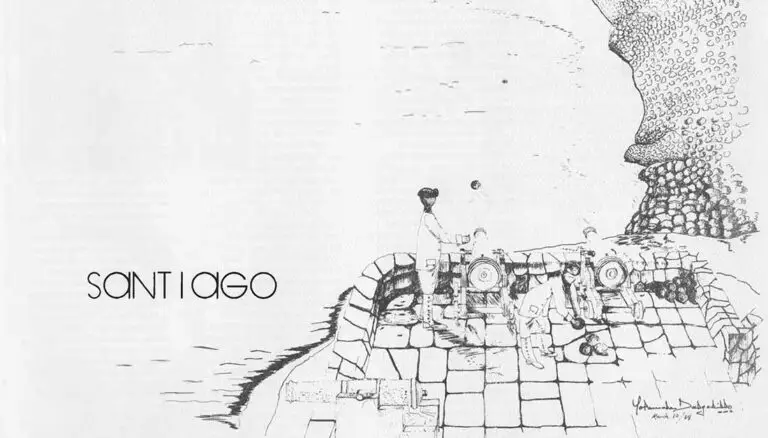
Fort Santiago was the second of three Spanish forts built to defend the anchorage at Apra Harbor. The...
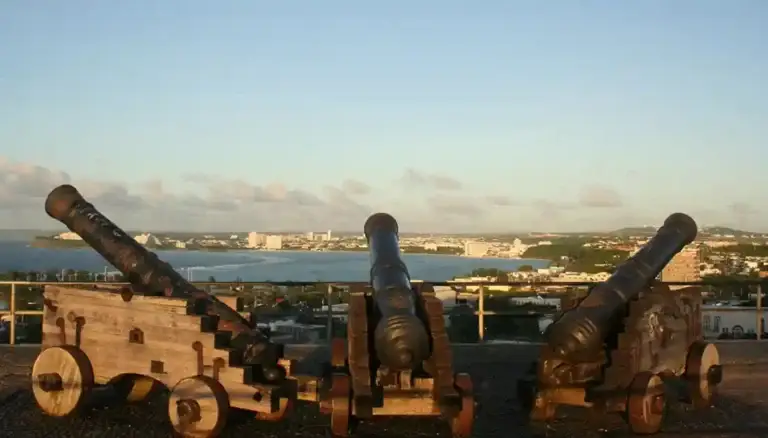
Fort Santa Agueda, the only surviving Spanish fort in Hagåtña, sits atop Apugan Hill on the western coast...
Familia, a Spanish word meaning family, has a more inclusive definition in CHamoru. The term familia...
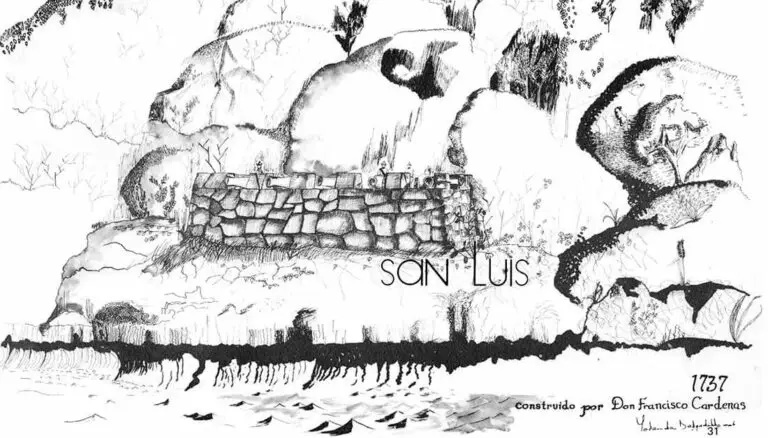
Fort San Luis was the first of three Spanish fortifications constructed to protect the anchorage at Apra...
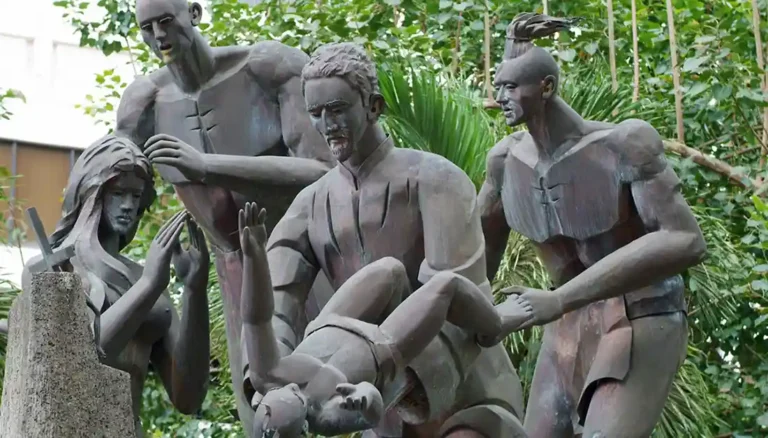
History will remember Maga’låhi Matå’pang from Tomhom (Tumon) as the man responsible for murdering Father...
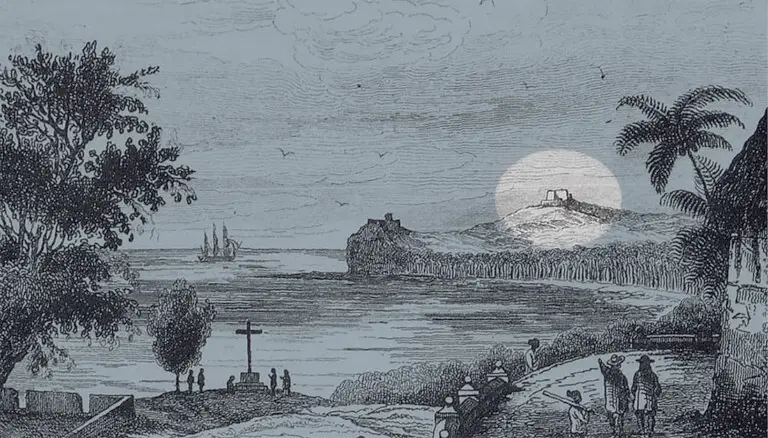
Fort San Jose, built about 1805, was the third of four Spanish fortifications built in the southern village...
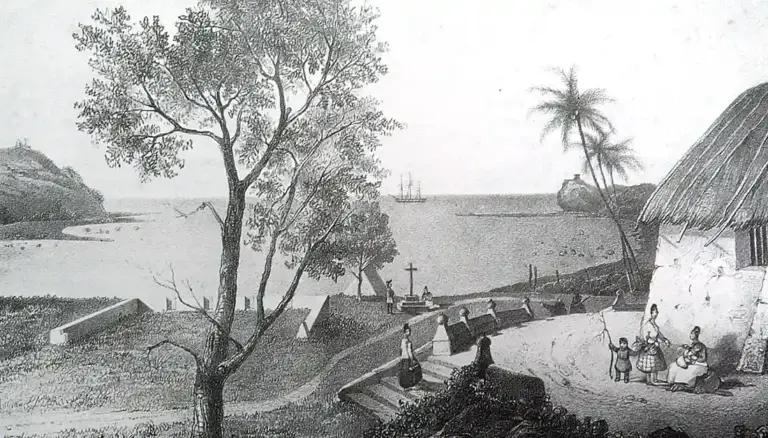
In order to protect Spain’s interests in Guam and its Pacific trade routes, several fortifications were...
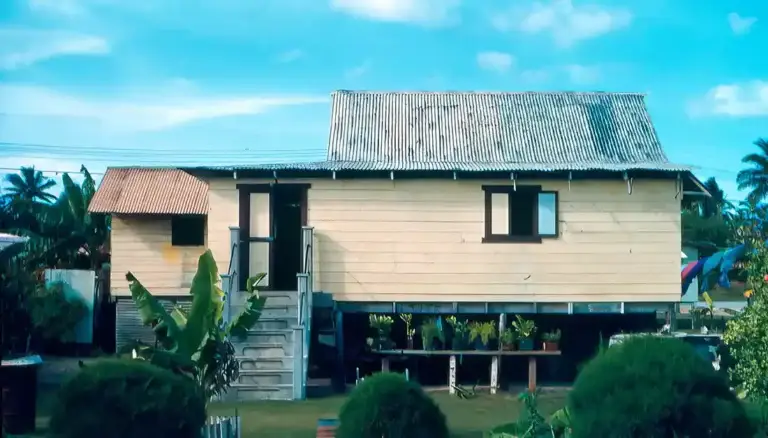
A precursor to the concrete typhoon proof pillbox style of buildings common to contemporary Guam were...
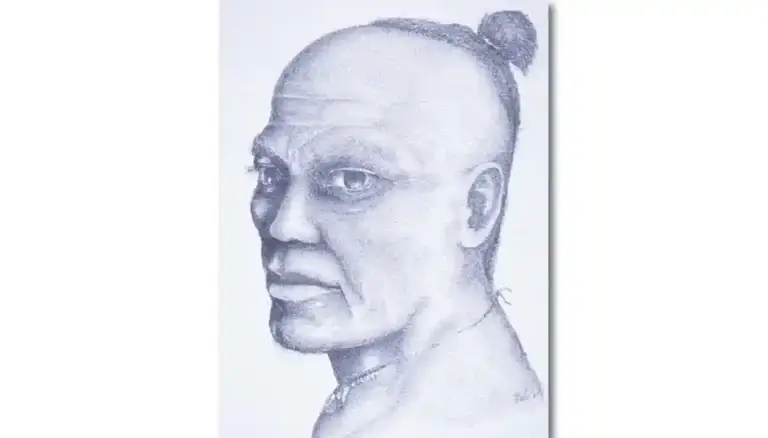
Hurao is one of the most celebrated Chamorro/CHamoru chiefs in Guam’s history. He was a Hagåtña Chamorri...
A Quonset hut is a lightweight prefabricated structure of corrugated steel having a semicircular cross...
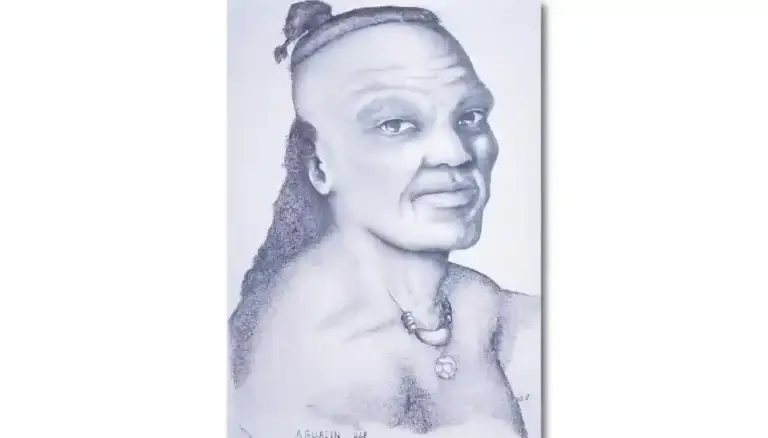
Agualin (also referred to in historic documents as "Aguarin") was a Chamorro/CHamoru chief who led several...
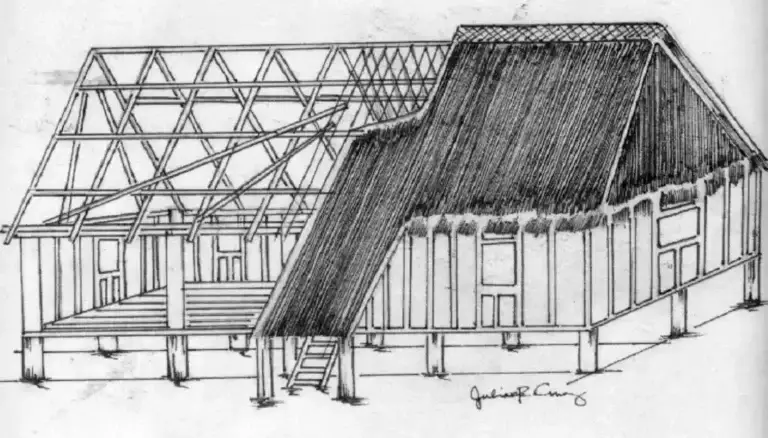
Throughout Guam’s history the most common type home was a rectangular pole and thatch structure with...
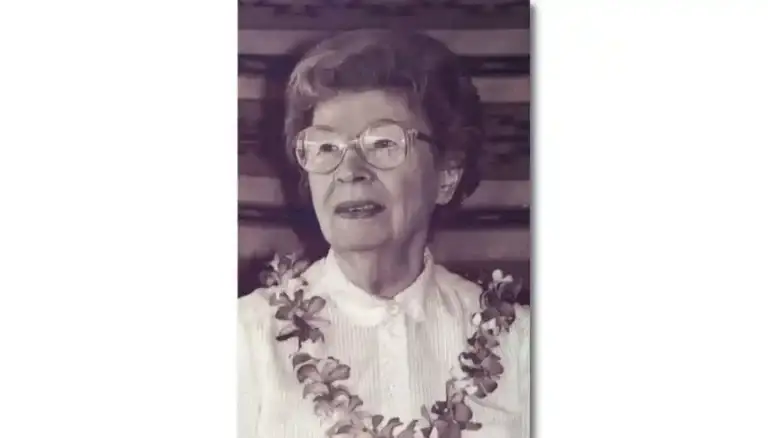
Laura Maud Thompson (1905-2000), a distinguished sociocultural anthropologist who studied peoples and...
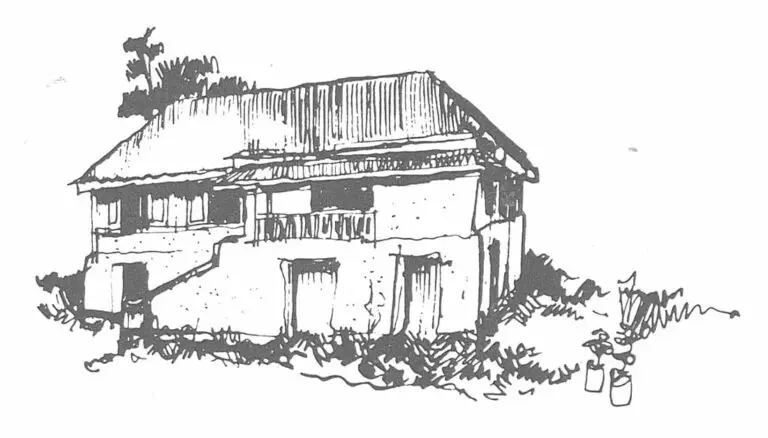
The Spanish introduced cal y canto or lime mortar and stone construction to Guam. This includes the rare...
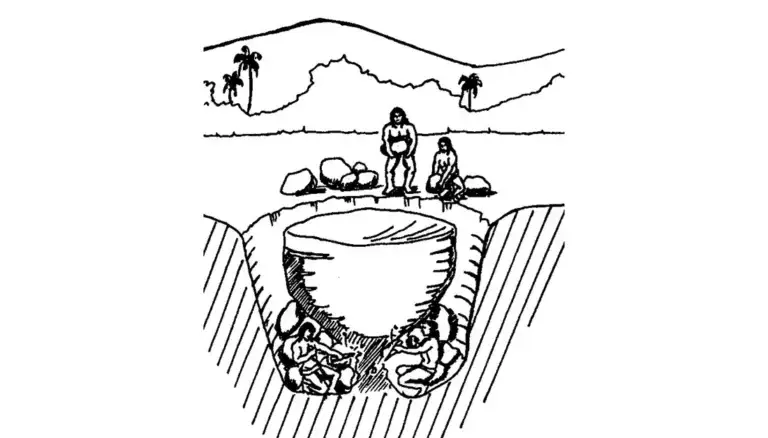
Latte structures are stone archaeological remains unique to the Mariana Islands. A stone pillar supports...
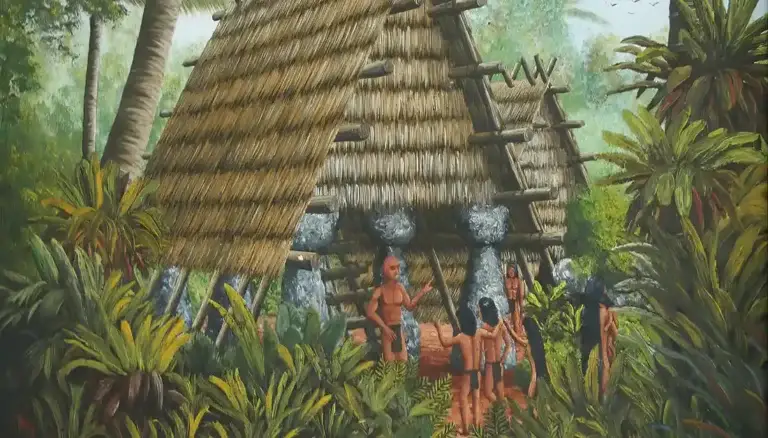
Latte (also latde) is a CHamoru term that refers to stone pillars and cup-shaped capitals or capstones,...
The arrival of Supertyphoon Karen in 1962 launched a new chapter in the architectural evolution on Guam....
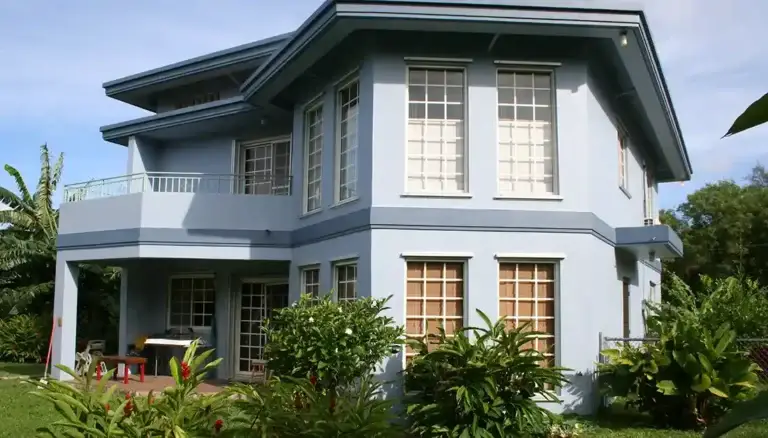
Cement blocks or as they are known in the construction industry, hollow block concrete masonry units...
During Spanish colonial rule on Guam, the Spanish authorities constructed the best churches and the best...
From pole and thatched homes to those made of concrete and reinforced steel, Guam has seen an evolution...
When European explorers of the 16th and 17th centuries visited the Mariana Islands, they witnessed impressive...
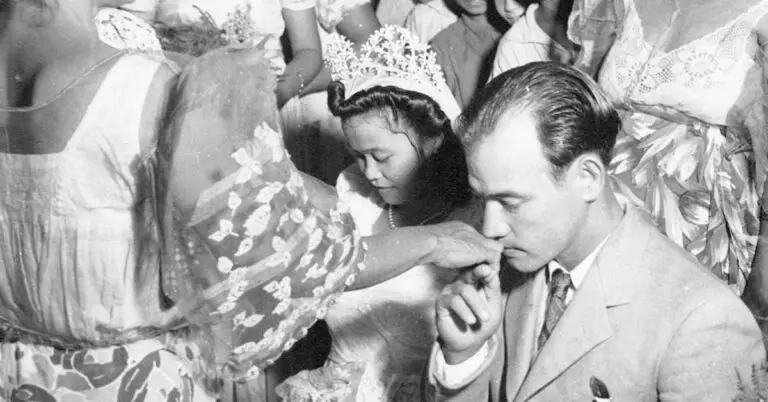
In 1898, at the twilight of the Spanish-American War, the US claimed Guam as a token of war. Though this...
No posts found
Pages
- 404 Error!
- Amot Corner
- Art, Architecture, Body Adornment, Music, and Food
- Biographies
- Categories
- Celebrating CHamoru/Chamorro Nobenas
- Civic Society
- Creative Expressions
- Currents
- e-Publications
- Economics and Commercial Development
- Education
- Educators Pathway
- European Exploration, Trade, and Scientific Studies
- Explore More
- For the Seafarers
- Gift Shop
- Guam Museum
- Guampedia
- Guampedia Home
- Guampedia Resources
- Guampedia Staff and Contributors
- Health and Medicine
- Heritage Sites
- Historic Eras of Guam
- I Man Chamorro
- All CHamoru/Chamorro Culture Entries
- Chamorro Culture Birth and Childhood Practices
- Chamorro Culture Division of Resources
- Chamorro Culture Funeral Practices
- Chamorro Culture Gender Roles
- Chamorro Culture Marriage Entries
- Chamorro Culture Matrilineal Systems
- Chamorro Culture Social Stratification
- Chamorro Culture Symbolism Entries
- CHamoru Cultural Value Systems
- CHamoru/Chamorro Culture Division of Labor Entries
- CHamoru/Chamorro Folktales
- Indigenous Lenses
- Interpretive Essays
- Justice
- Language
- Logout
- Mariana Islands Wartime Experiences through Oral Histories
- Marianas Pathway
- Marianas Storytelling: Land & Lineage
- Micronesia Pathway
- Natural Environment
- Non-CHamoru Ethnicity
- Our Heritage
- People and Places
- People of Pacific Cultures (POP Cultures)
- Politics and Government
- All Politics and Government Entries
- CHamoru Quest for Self-Determination
- Politics and Government Biographies
- Politics and Government Entries by Era
- Ancient Guam Politics and Government Entries
- Contemporary Guam Politics and Government Entries
- Guamanian Era Politics and Government Entries
- Post WWII Era Politics and Government Entries
- Spanish Era Politics and Government Entries
- US Naval Era Politics and Government Entries
- WWII/Japanese Era Politics and Government Entries
- Religion
- Site Map
- Society
- Sports and Recreation
- Template for 3 gallery side by side
- Ti Geran Mami
- Tiempo (Timelines)
- Transportation, Technology, and Communications
- Trends
- Villages, Heritage Sites, and Island Life
- Voices of Our Elders
- Wars and Factors of Peace
Categories
- Adventurers
- Ancient Guam Era
- Ancient Guam: Economics
- Ancient Guam: Health
- Ancient Guam: Politics
- Ancient Guam: Religion
- Archeological Investigations
- Architecture
- Art
- Art
- Art, Architecture, Body Adornment, Music and Food
- Artists
- Biology
- Birth and Childhood Practices
- Body Adornment
- Building Methods
- Burial Practices and Beliefs
- Business Pioneers: Economics
- Catholic
- Chamorro
- Chamorro Culture
- Chamorro Dishes
- Chamorro Folktales
- CHamoru Quest for Self-Determination
- Christian
- Civic Society
- Concepts and Beliefs
- Contemporary Art
- Contemporary Guam Era
- Contemporary Guam: Economics
- Contemporary Guam: Education
- Contemporary Guam: Health
- Contemporary Guam: Politics
- Contemporary Guam: Religion
- Contemporary Music
- Creative Expressions
- Currents
- Definitions
- Division of Labor
- Division of Resources
- Dr. Anne Perez Hattori Collection
- e-Publications
- Early Historic Accounts
- Economic Systems
- Economics and Commercial Development
- Education
- Educational Lesson Plans
- Elementary
- English
- Environmental Science
- European Exploration, Trade, and Scientific Studies
- Fanohge CHamoru Put I Tano-ta: Charting Our Collective Future
- Featured
- Fiesta Food
- Food
- Funeral Practices
- Galleons
- Games
- Gender Roles
- Governors
- Governors of Guam
- Grade-levels
- Guam CAHA Workshops
- Guam Recorder
- Guam's Birds
- Guam's Civilian Governors
- Guam's Villages
- Guamanian Era
- Guamanian Era: Economics
- Guamanian Era: Education
- Guamanian Era: Health
- Guamanian Era: Politics
- Guamanian Era: Religion
- Guampedia Advisors
- Guampedia Authors
- Guampedia Board of Directors
- Guampedia Editorial Team
- Guampedia Newsletters
- Guampedia Resources
- Guampedia Rubric Chairs
- Guampedia Staff and Contributors
- HASSO’: Remembering Guam’s Ancient Heritage Sites
- Health and Medicine
- Heritage Sites
- High School
- Historic Eras of Guam
- Historic Structures
- History
- Home – Latest
- Home – Lead
- Home Activity
- Indigenous Lenses
- Interpretive Essays
- Island Life
- Justice
- Land (Tano)
- Language
- Language Arts
- MARC
- MARC Publications
- Marianas History Conference
- Marriage
- Math
- Matrilineal Systems
- Men's Roles
- Middle School
- Modern Guam Rises
- Multimedia
- Music
- Music
- Musicians
- Natural Environment
- Natural Resources
- New
- Non-CHamoru Ethnicity
- Oral Histories
- Oral History
- Other MARC e-Publications
- Other Religion
- Our Heritage
- People
- People and Places
- People of the Pacific (POP Cultures)
- Performance Arts
- Photo Galleries
- Photography
- Physical Education
- Physics
- Politics and Government
- POP Cultures: Melanesia
- POP Cultures: Micronesia
- POP Cultures: Polynesia
- Post WWII Era
- Post WWII Era: Health
- Post WWII Era: Politics
- Post WWII: Education
- Post WWII: Religion
- Practices
- Religion
- Religion
- Resources
- Robert A. Underwood Lectures
- Roles of Family Members
- Science
- Scientific Studies
- Sea (Tasi)
- Social Control
- Social Organization
- Social Stratification
- Social Studies
- Spanish Era: Economics
- Spanish Catholic Changes
- Spanish Era
- Spanish Era Changes
- Spanish Era Changes to Matrilineal Practices
- Spanish Era: Education
- Spanish Era: Health
- Spanish Era: Politics
- Spanish Era: Religion
- Spanish Racial Hierarchy
- Spanish-CHamoru Wars
- Sports and Recreation
- Subjects
- Symbolism
- Technology
- Tiempo (Timelines)
- Trade
- Traditional Craft
- Traditional Music
- Transportation, Technology, and Communications
- Trends
- Uncategorized
- University/College
- US Naval Era
- US Naval Era: Economics
- US Naval Era: Education
- US Naval Era: Health
- US Naval Era: Politics
- US Naval Era: Religion
- Value Systems
- Villages, Heritage Sites and Island Life
- Voices of Our Elders
- Wars and Factors of Peace
- Women in Guam History
- Women's Roles
- WWI
- WWII
- WWII Survivor Stories
- WWII/Japanese Era
- WWII/Japanese Era: Health
- WWII/Japanese Era: Politics
- WWII/Japanese Era: Religion