
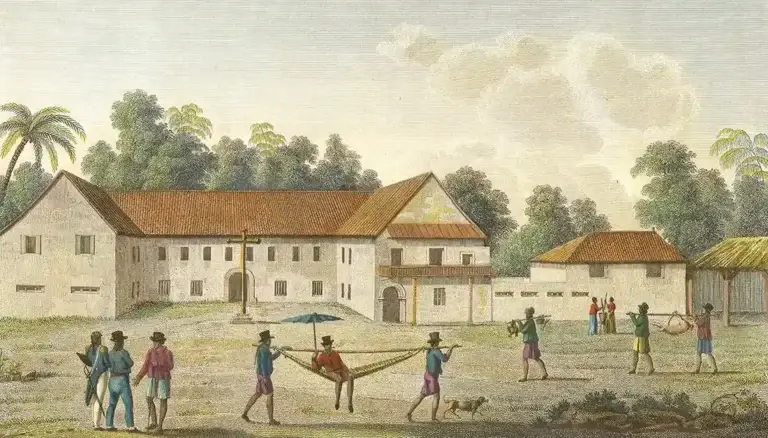
In addition to the evangelization of the Mariana Islands, the Jesuits introduced a European system of...
Throughout the 230 duration of the Spanish administration of the Mariana Islands (1668-1898), more than...
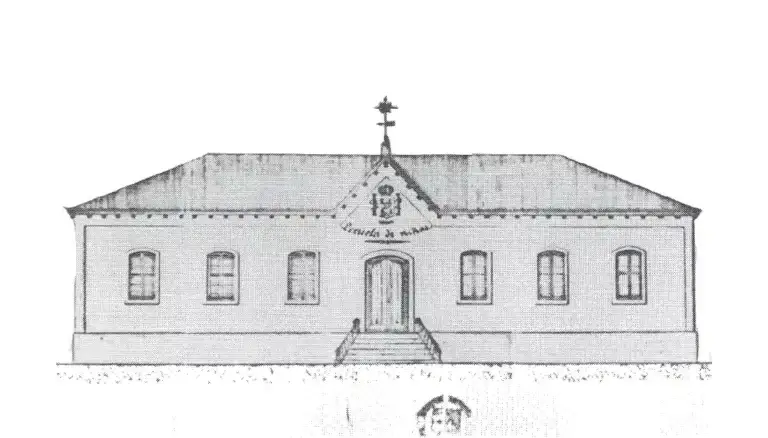
The Escuela de Niñas or School for Girls, was located in the capital city of Hagåtña. The original building...
Education of the local population was one of the colonizer’s concerns under the Spanish administration...
Father Domingo Medina de Santo Tomás de Aquino served for fourteen years in the Marianas Islands between...
The Colegio de San Juan de Letrán, a boy’s school or seminary, was established in 1669 in Hagåtña by...
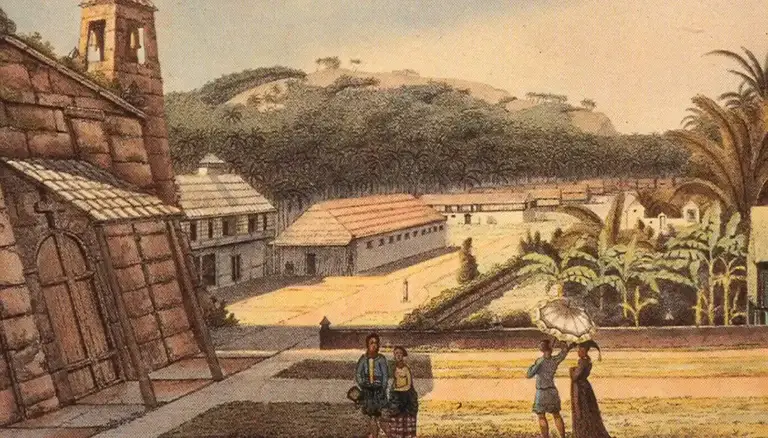
Father Fray Andrés Blázquez de San José was born in Cáceres, Spain in c. 1737. An ordained priest in...
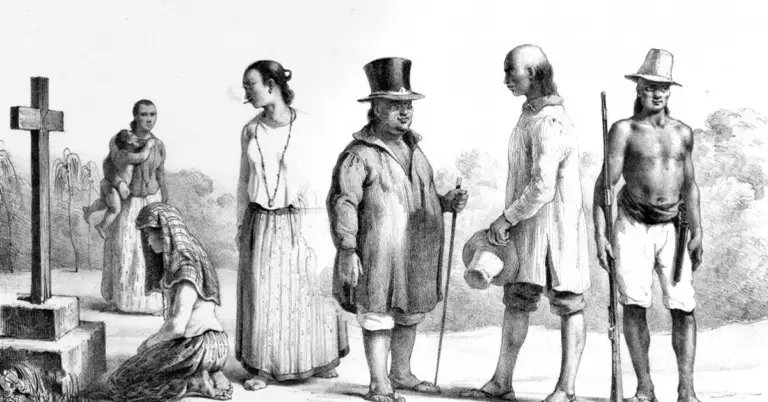
The introduction of Spanish culture to the CHamoru/Chamorro people began with early Spanish visitors...

Pedro Pangelinan Martinez (1892-1967), also known as “Don Pedro,” was the founder of Pedro’s, a company...

Pedro Martinez Ada (1903 – 1995) founded numerous enterprises with his wife, Maria Palomo Ada, including...
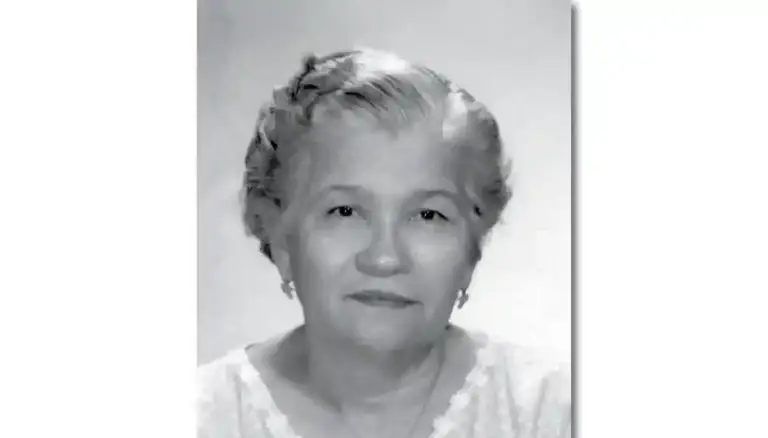
Maria Palomo Ada (1903 – 1996) also known as “Tan Maria” to the many in the community who knew her, co-founded...
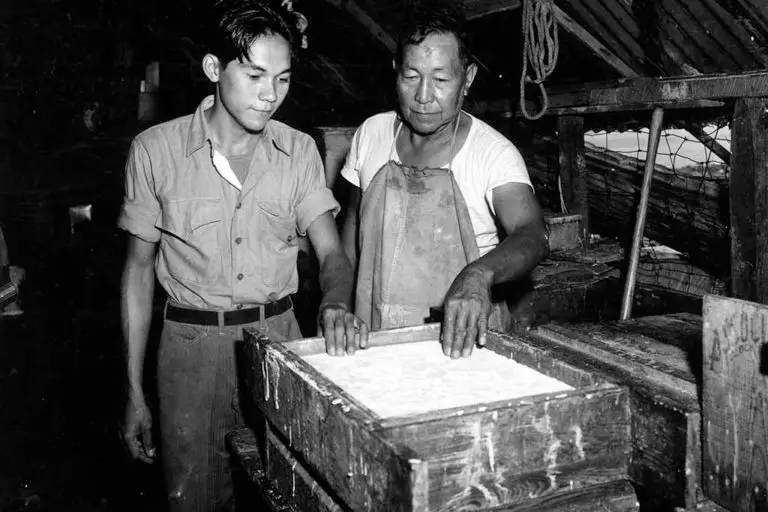
Josef Martinez Ada (1885 – 1955) founded Ada’s Soap Factory, which was Guam’s most successful soap factory...

Jose Leon Guerrero Untalan (1919 – 1990) was Co-Founder, Vice Chairman of the Board of Directors, and...
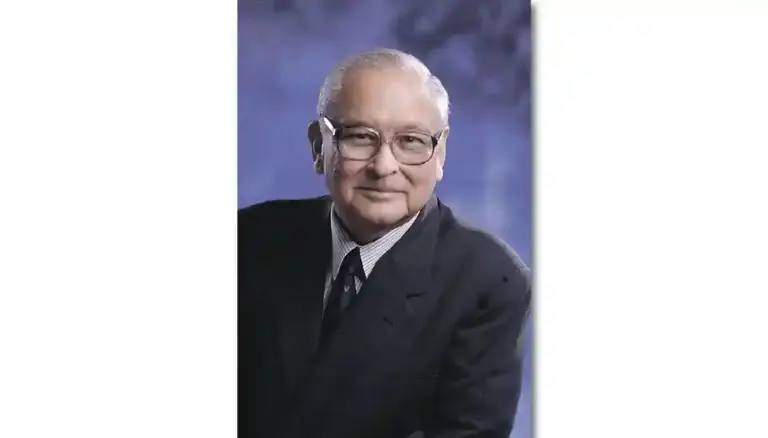
Jesus Sablan Leon Guerrero (1927 – 2002) founded the Bank of Guam, Guam’s first locally chartered full-service...
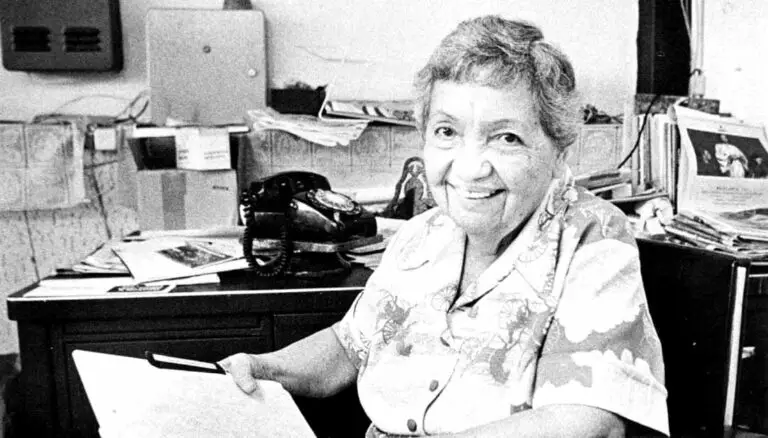
Ignacia Bordallo Butler (1897 – 1993) was a CHamoru entrepreneur and business partner with her husband,...

Joseph Flores (1900 – 1981) was the first CHamoru to serve as governor of Guam. He also founded Guam’s...

Francisco Duenas Perez (1913 – 1997), better known as Frank D. Perez, is known for many things: a farmer...
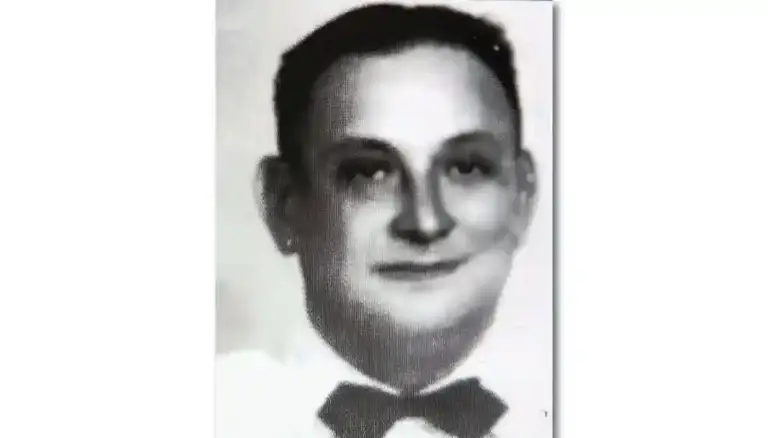
Eduardo Torres “Jake” Calvo (1909 – 1963) founded a number of extremely successful businesses that continue...
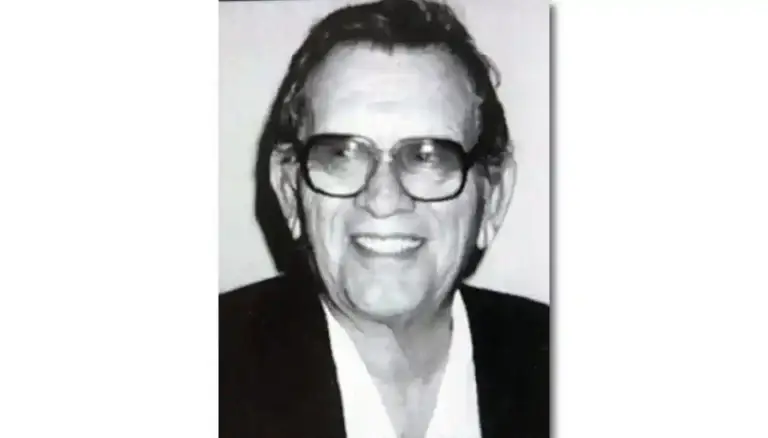
After serving in the European theater in World War II, Earl Edward Kloppenburg took advantage of the...
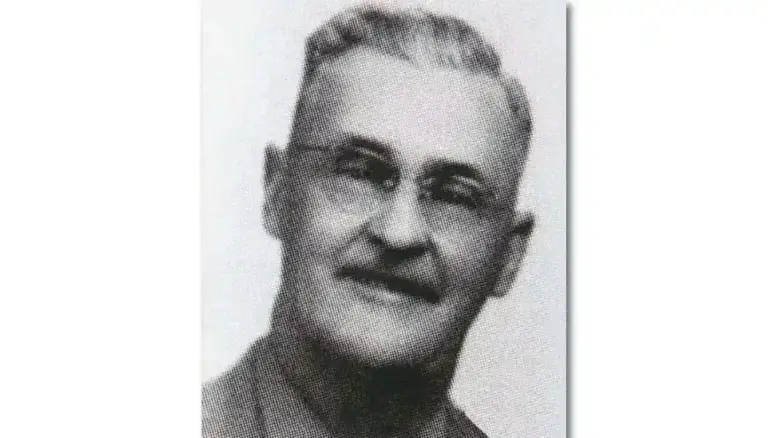
Chester Carl Butler (1884 – 1952) founded Butler’s Inc. in 1915, along with his wife Ignacia Bordallo...
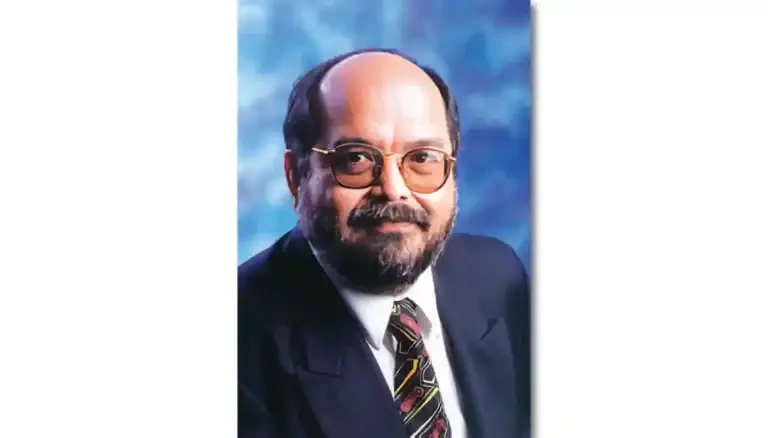
Guampedia Director and Author. Anthony “Tony” A. Leon Guerrero (1952 – 2005): President and Chairman...
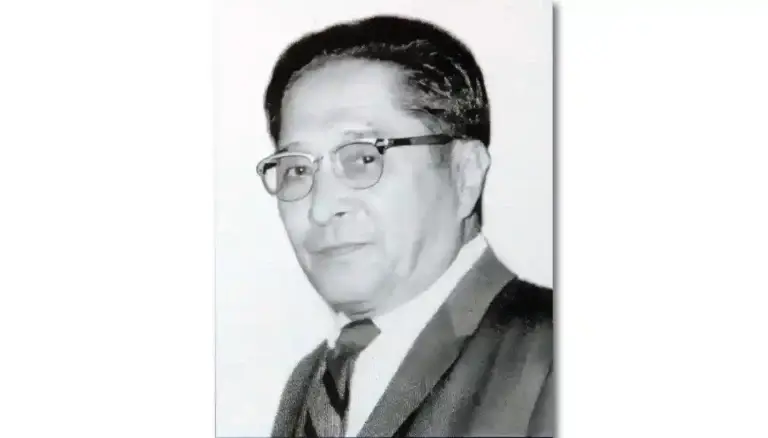
Ambrosio Torres Shimizu (1909 – 1988) is well known on Guam for he and his family’s success in business....
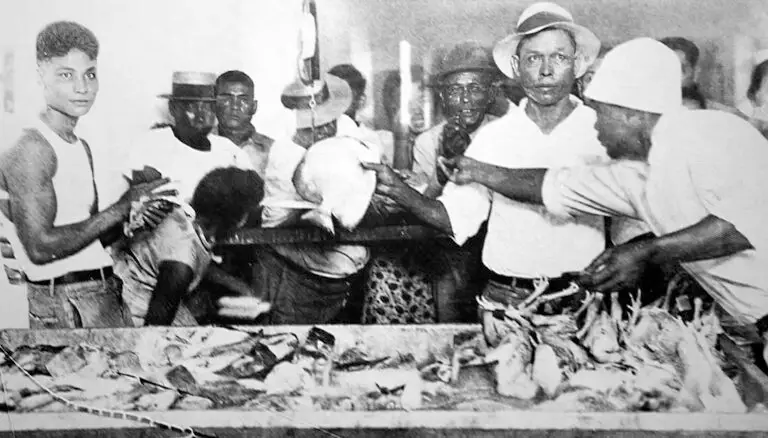
When the US established a military government in Guam in 1899 it became clear that the costs of administering...

Copyright 2022 Guampedia. All rights reserved. All written content, photographs, video, audio, graphics,...

Guampedia, Guam’s Online Encyclopedia, recognizes the importance of protecting the privacy of personal...
Guampedia, Guam’s Online Encyclopedia, is a comprehensive, informational resource intended to spur critical...
Guampedia, Guam's online encyclopedia, is striving to help preserve and promote Guam's history and culture...
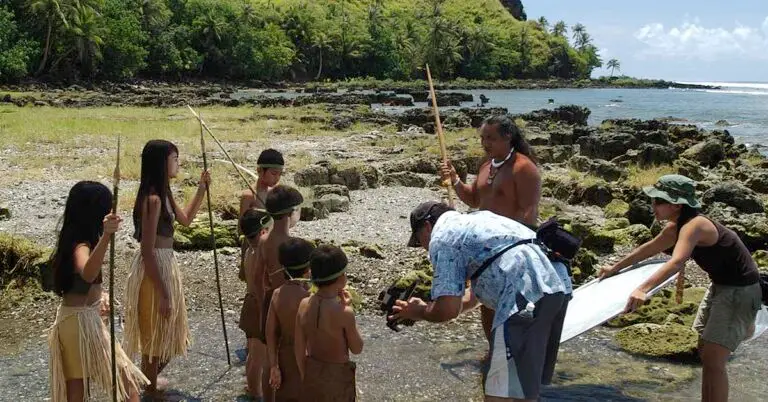
Guampedia, Guam’s Online Encyclopedia, is a community project that highlights the unique CHamoru heritage...
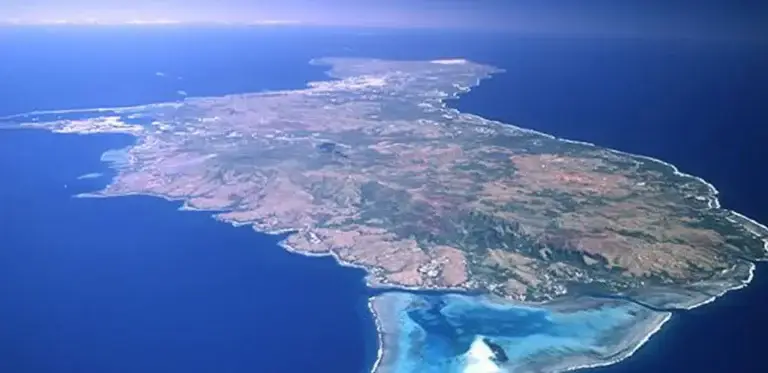
Guam, the largest and southernmost of the Mariana Islands chain, has a unique and complex cultural history....

Guampedia welcomes suggestions and comments or ideas for topics. We also appreciate reports of errors...
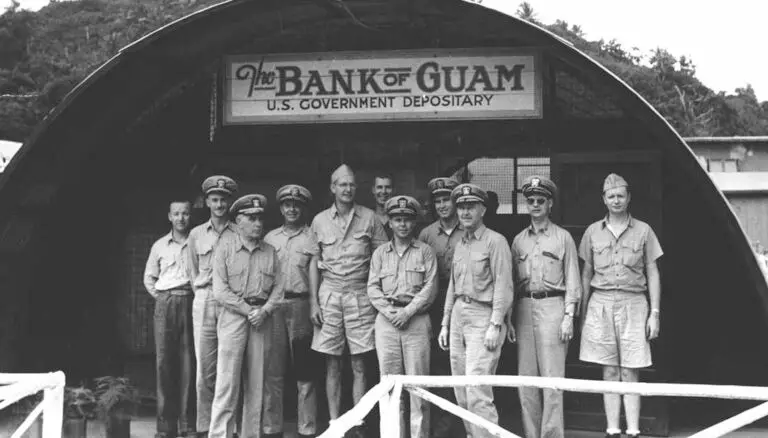
Guam’s banking history began during what is known in the banking world as the Pacific’s Concessionary...
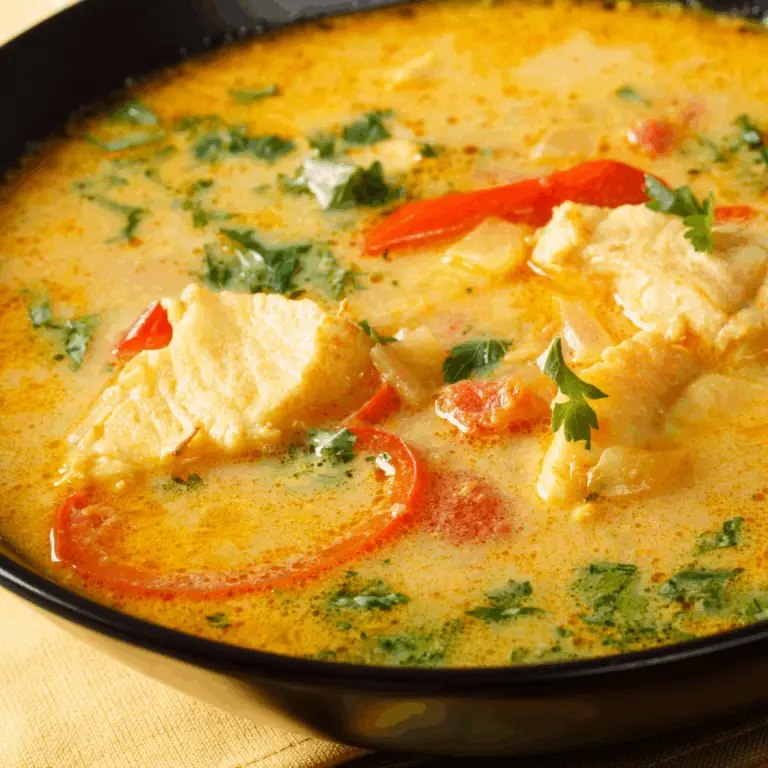
Kådun Guihan or Fish Stew is simmered in coconut milk.
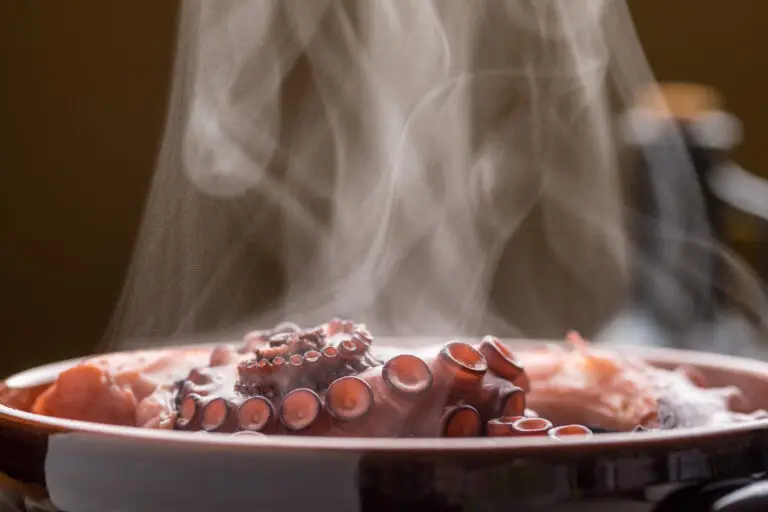
Kådun Gåmson: Recipe
Share This
Octopus with coconut cream
Ingredients
1...
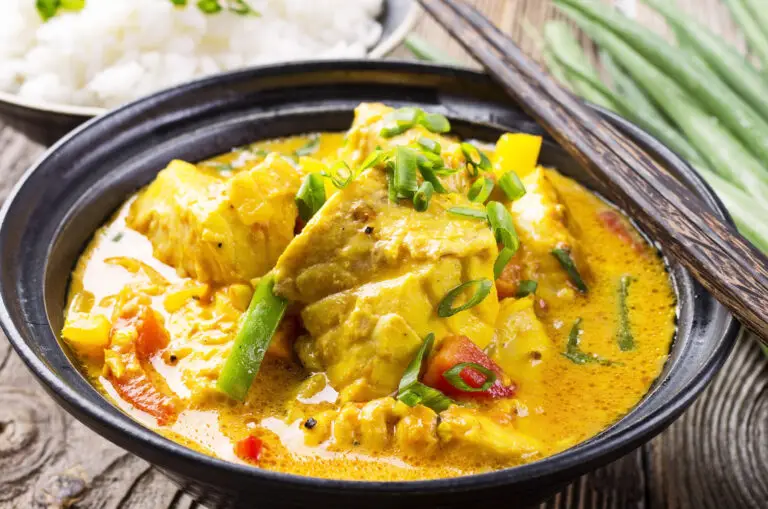
Governor’s Fish in Coconut Milk: Recipe
Share This
Fish in coconut...
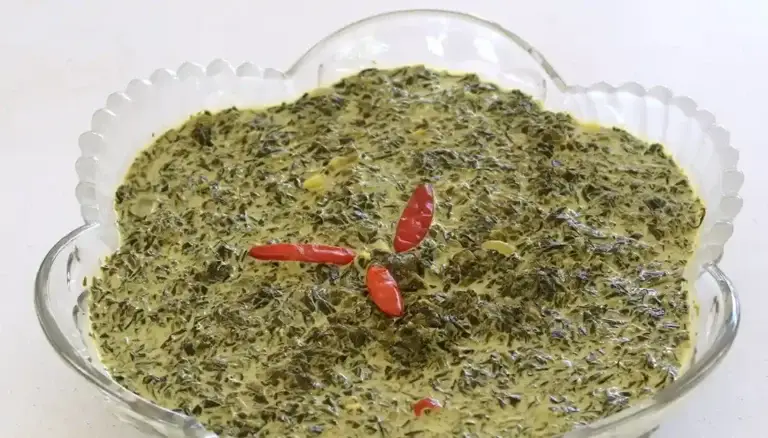
Gollai Hågon Suni: Recipe
Share This
Taro leaves with coconut milk
Ingredients
20-30...
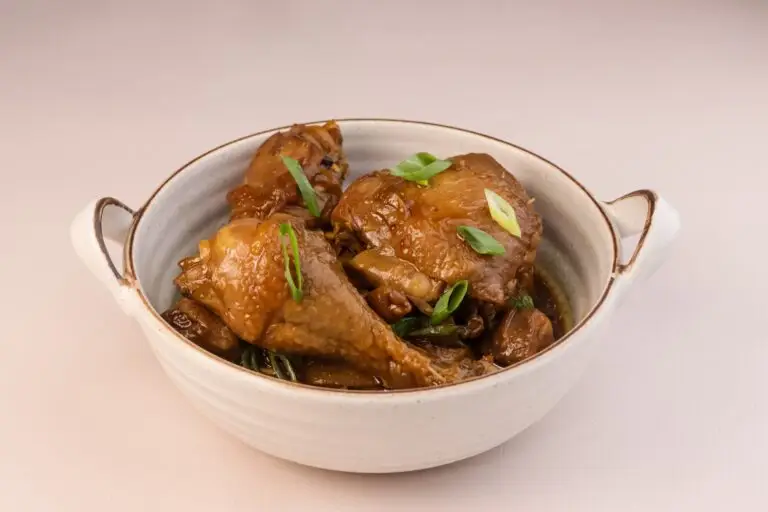
Estufao: Recipe
Share This
Pork with soy sauce and vinegar
Ingredients
2-3...
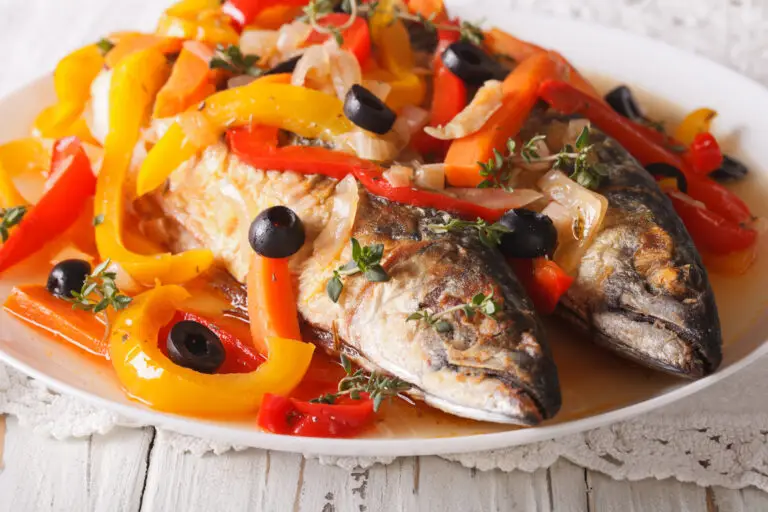
A dish of poached or fried fish with vegetables in a vinegar sauce.
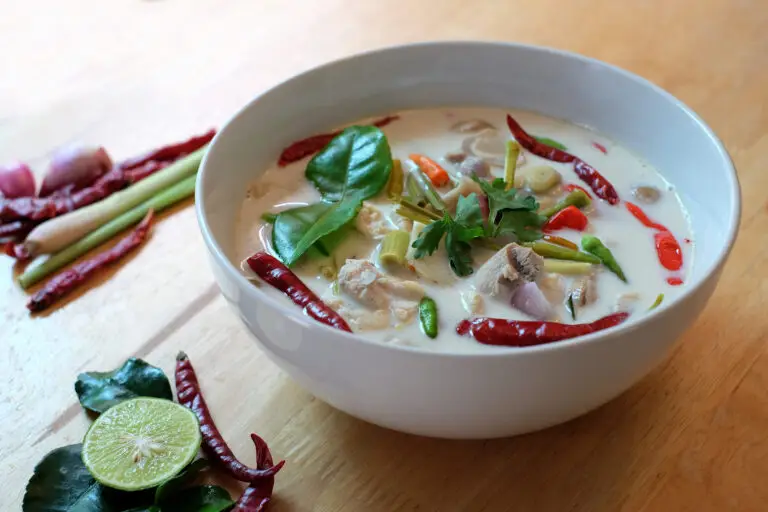
Chicken Tinaktak: Recipe
Share This
Chicken with coconut cream
Ingredients
2...
Chalakiles: Recipe
Share This
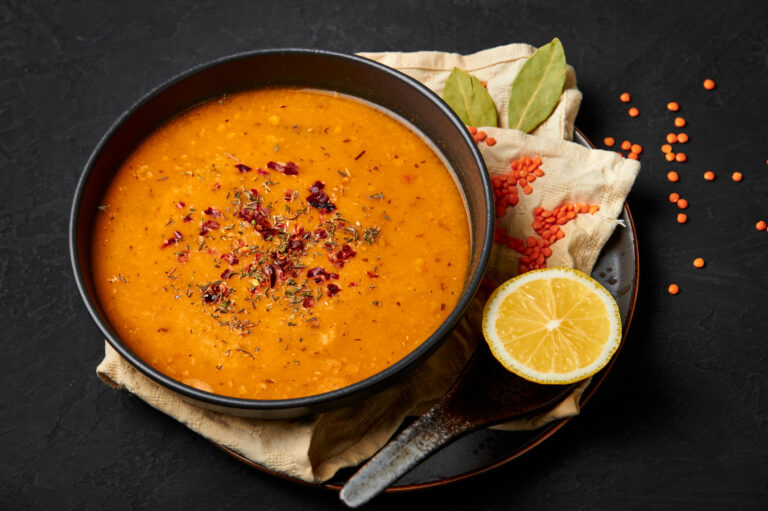
Red cream of rice soup
Ingredients
1 chicken...
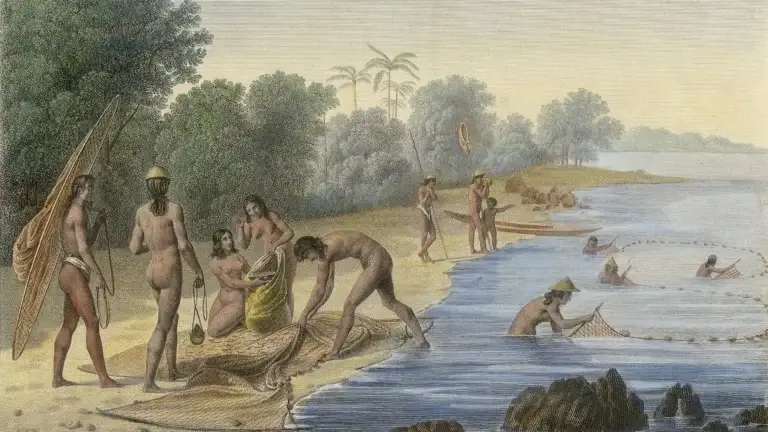
Ancient Chamorro/CHamorus were avid hunters both on land and sea. They developed many methods of eguihan...
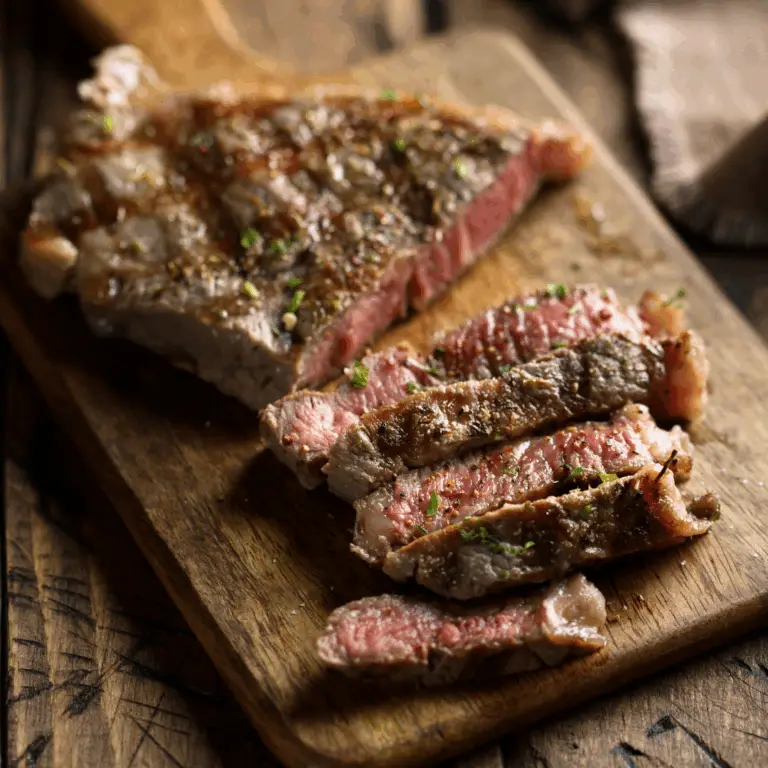
Bistek: Recipe
Share This
Stir-fried steak
Ingredients
3 lbs steak,...
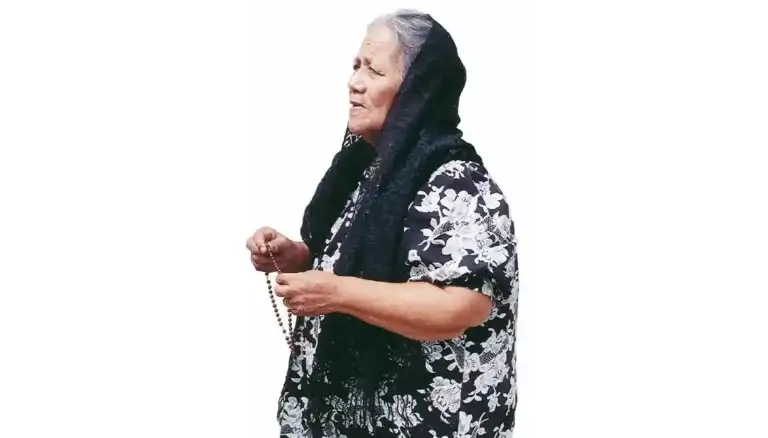
In the Mariana Islands, the techa is the traditional prayer leader who directs and recites the prayers...
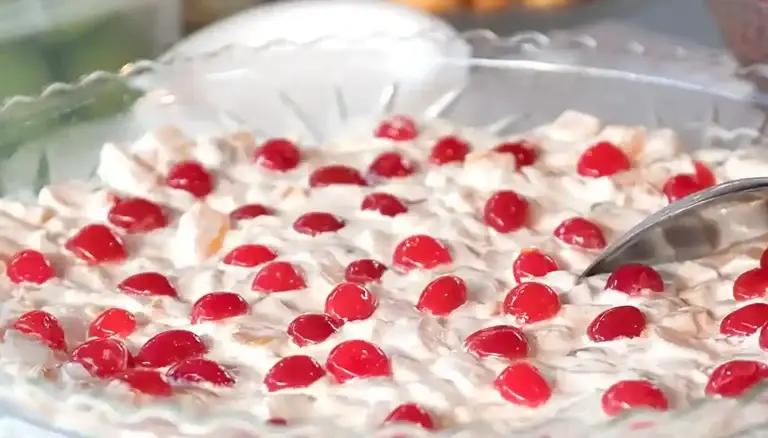
A sweet mixture of various fruits in a thick sweet cream. The concept of fruit salad was probably introduced...
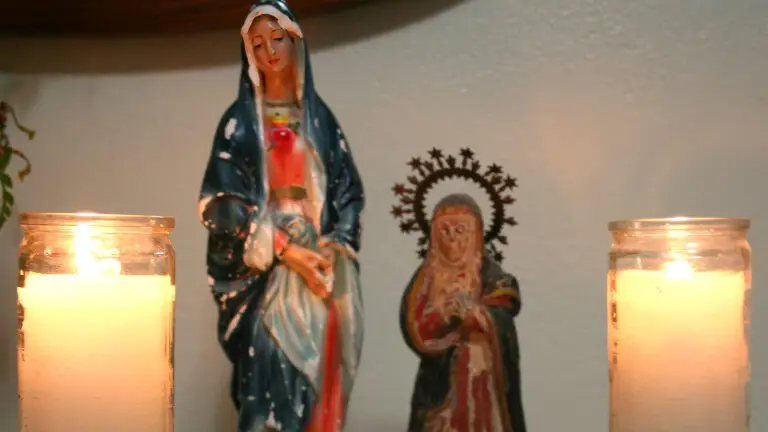
The nobena, or novena, is a series of devotional prayers said over the course of nine days that are associated...

Rosketi: Recipe
Share This
Cornstarch cookies
Ingredients
2 boxes corn starch
1 cup flour
3 eggs
1...
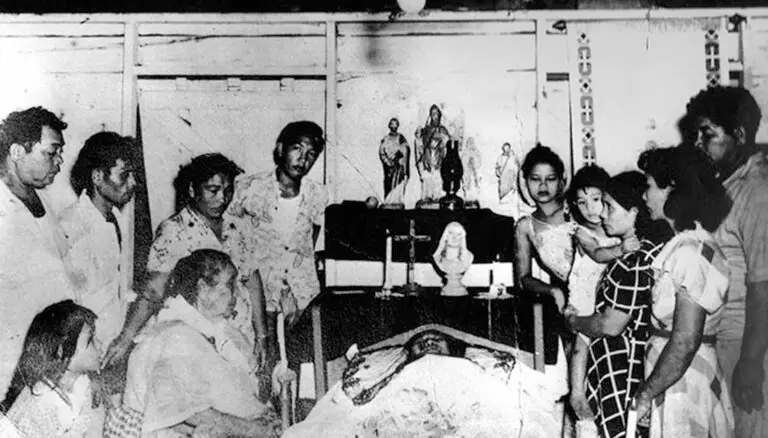
Every human culture recognizes and accepts death as a natural part of life. Rituals, though, are often...

Poto (Potu) recipe. Potu (also spelled poto) are white rice cakes, distinctly flavored with a local coconut...
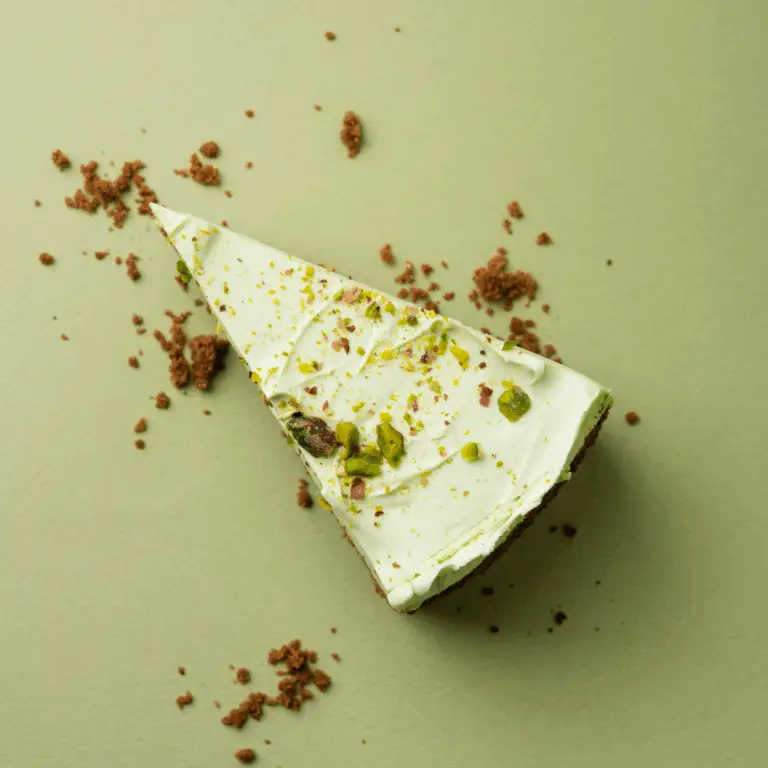
A Pistachio Cake recipe provided by Tita Alvarez in the Lepblon Fina’tinas Para Guam: Guam Cookbook, 1985....
Although death is an occasion for grief, the CHamorus consider it as a chance for the extended family...
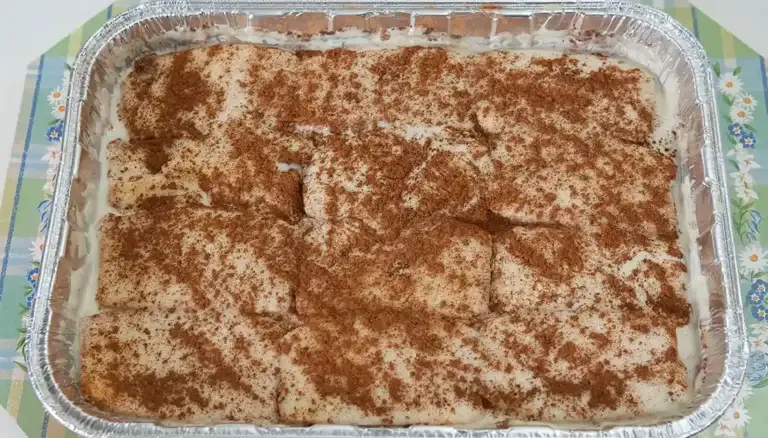
A dessert made of vanilla custard sprinkled with cinnamon with a sponge cake base.
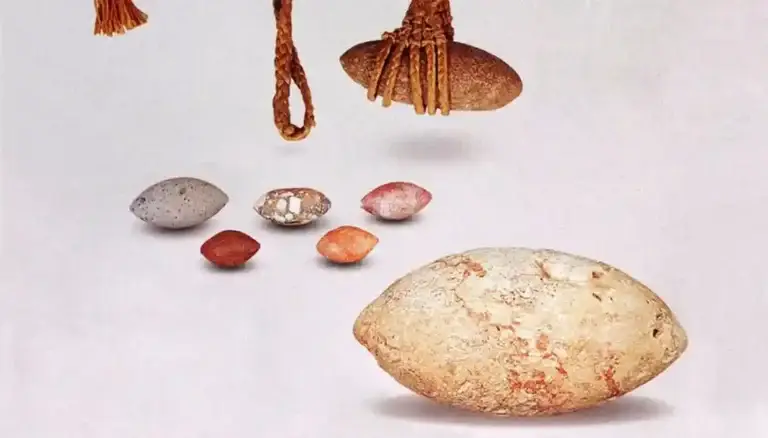
Slingstones were used as weapons by ancient CHamoru warriors. Slingstones are stones of various sizes...
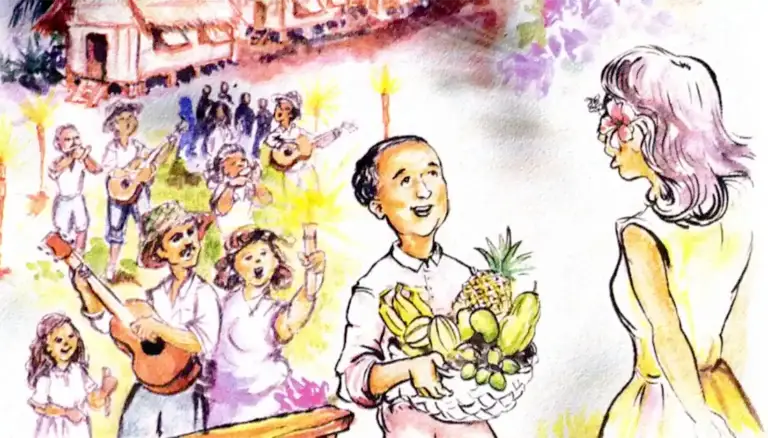
In ancient CHamoru society, the clan leaders arranged marriages. Women did not marry men in their clan...
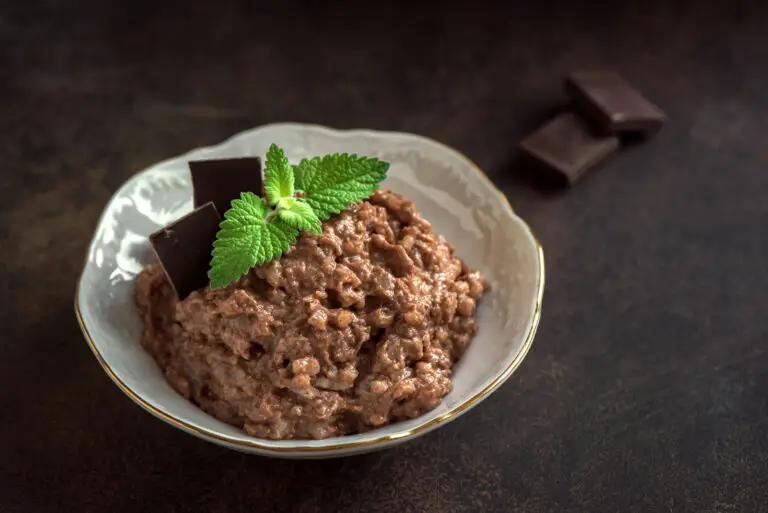
Champulådu: Recipe
Share This
Chocolate rice pudding
Ingredients
½ cup...
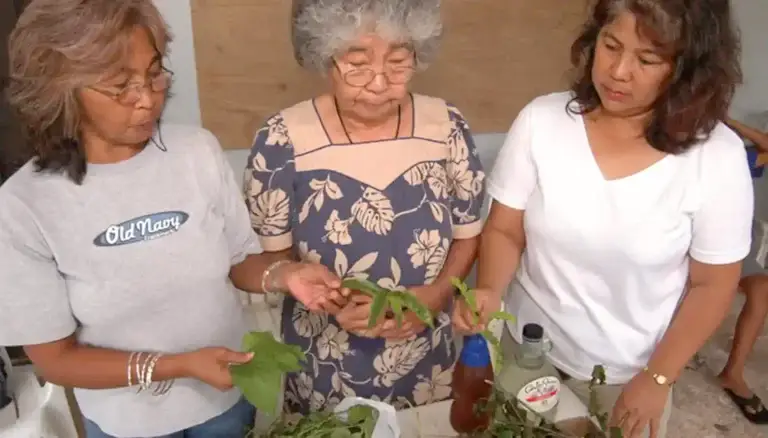
The pattera (nurse midwife) and suruhånu (traditional doctor) played important roles, especially when...
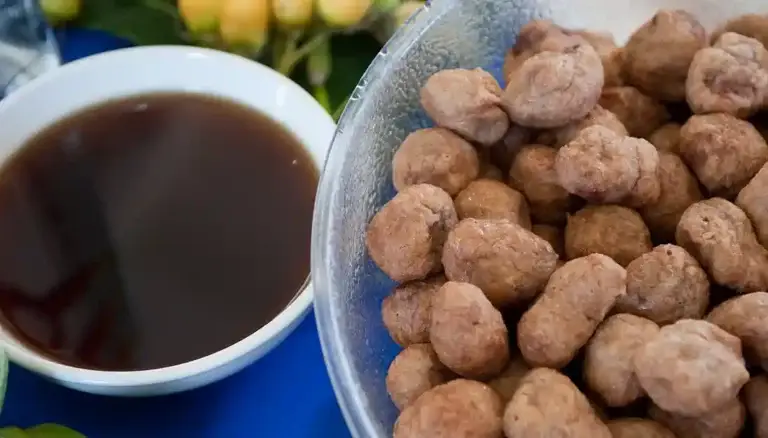
A small round donut made from dågu (yam), a yam fritter, commonly served with syrup for dipping.
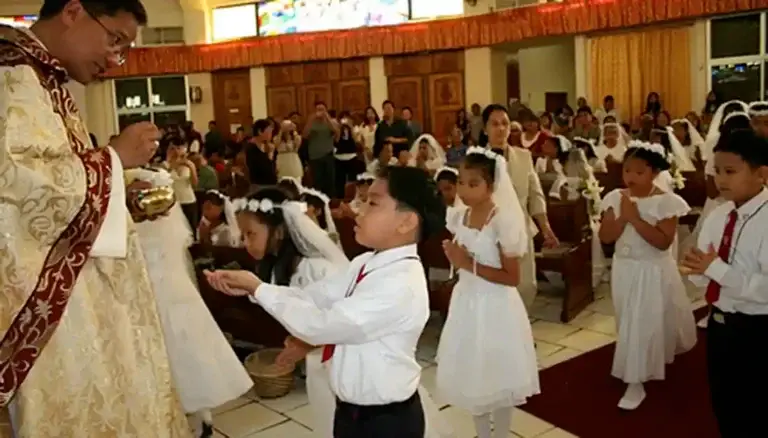
Church rites. Primera Kumuñon (First Holy Communion) and Komfetmasion (Confirmation) are church rites...
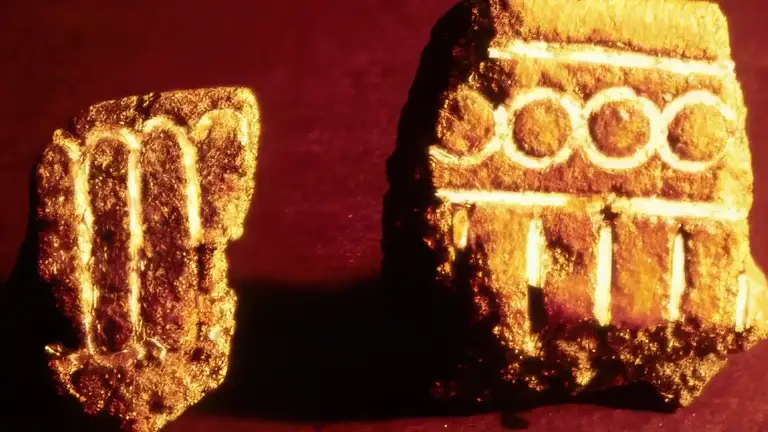
The Mariana Islands has a history of pottery-making that is more than 3,500 years long. The first people...
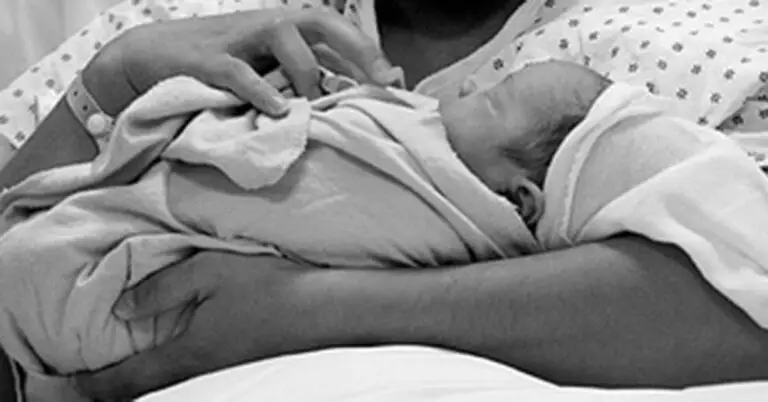
The birth of a child is the most important family event in CHamoru society. It marks the beginning of...
Buñelos Aga’: Recipe
Share This
Ripe banana doughnuts
Ingredients
2 lbs ripe bananas
4 tbsp sugar
1...
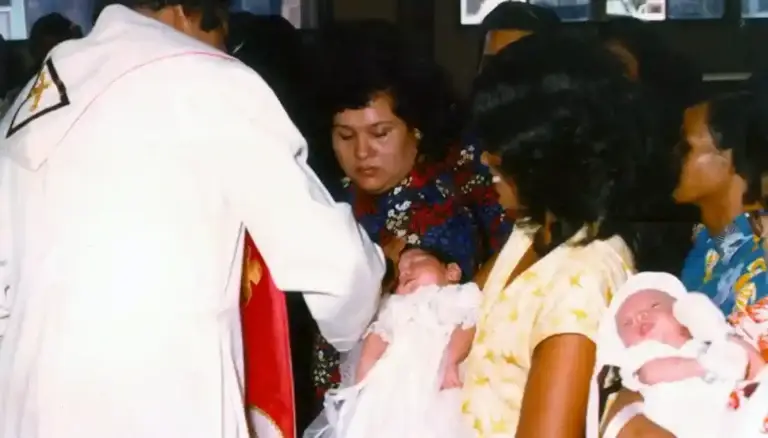
In the past, picking a name for the child was a family affair. In the early matrilineal CHamoru society,...
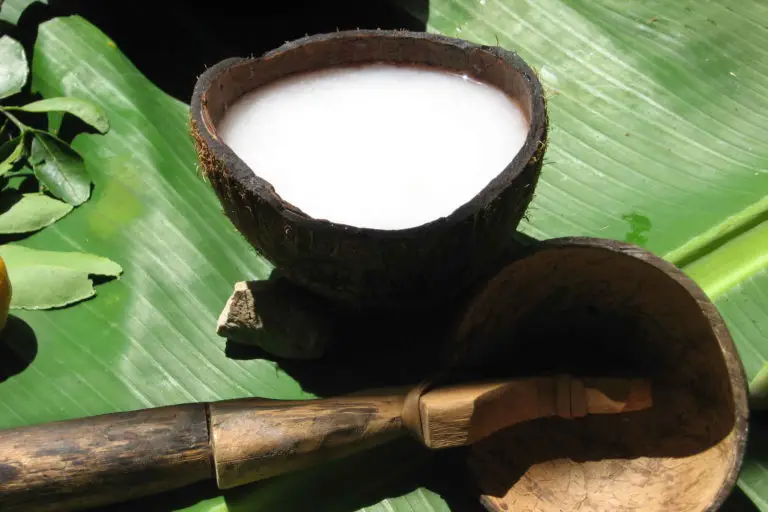
The signature weapon of the ancient Chamorro/CHamoru warrior, slingstones of various sizes were sharpened...
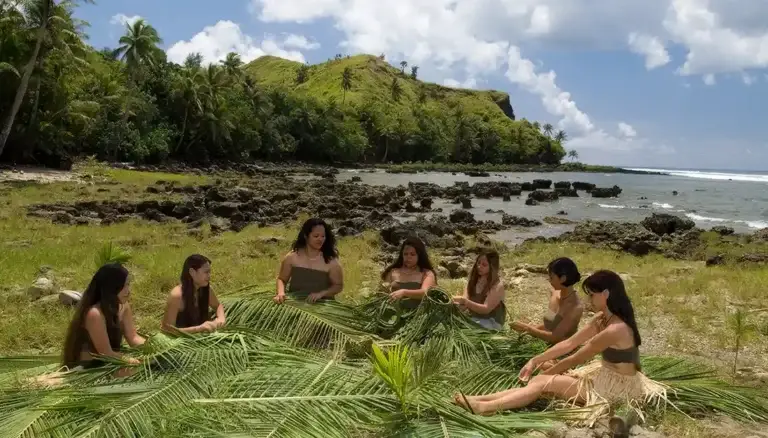
The coconut, called niyok in Chamorro/CHamoru and cocos nucifera scientifically, is undoubtedly one of...
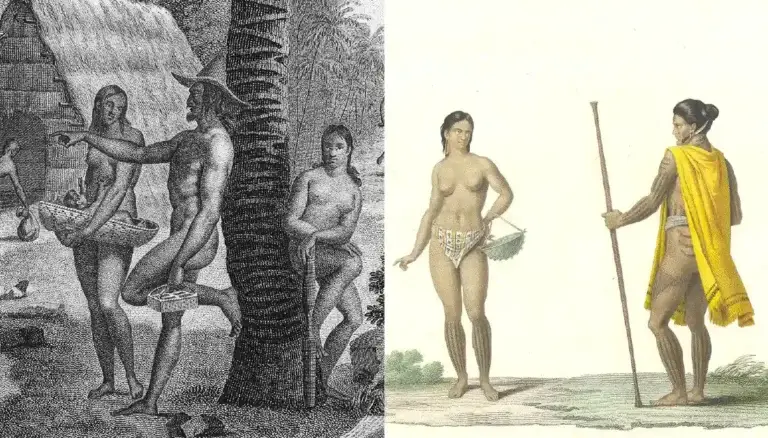
Interpretive essay: No evidence of CHamoru tattoo from ancient times. Tattoo is often thought to have...
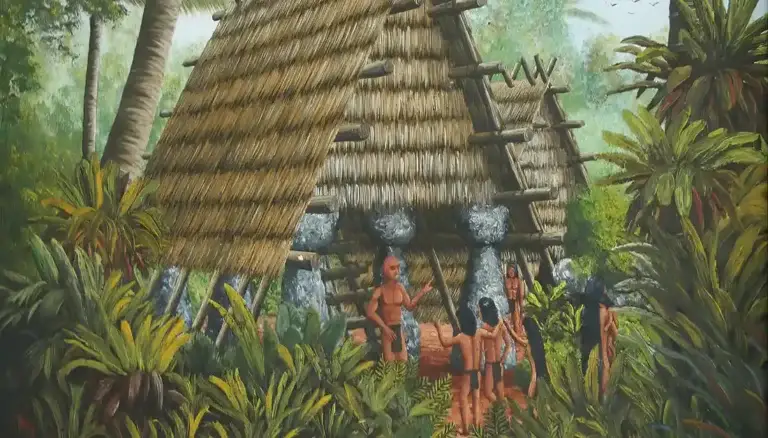
The latte is a manmade construct carved from limestone or basalt that was used as a foundation for a...
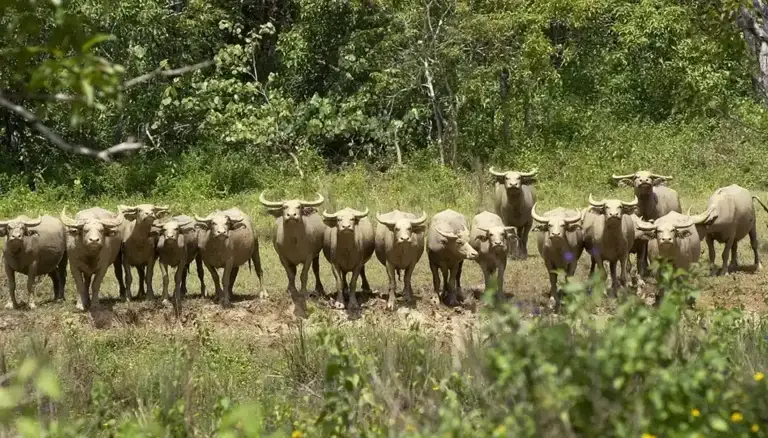
Karabao or carabao are water buffalo introduced to Guam from the Philippines during the Spanish occupation...
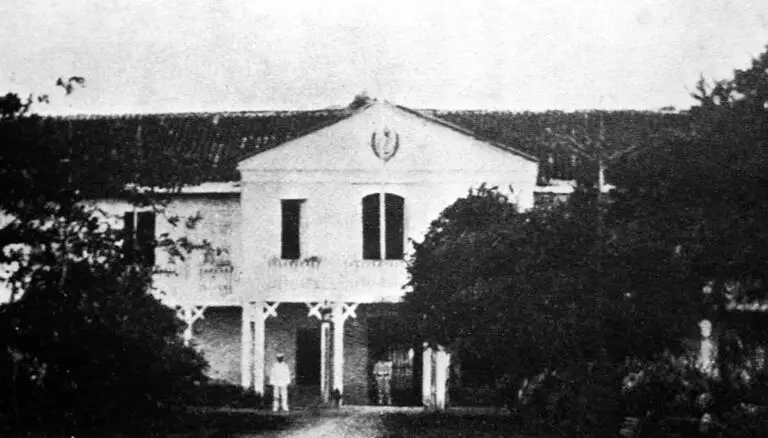
Two terms were used to differentiate the origin of the Spaniards residing In the 19th century colonial...
Spanish administrative term. This name is given to the primitive Indians with whom the Spaniards settled...
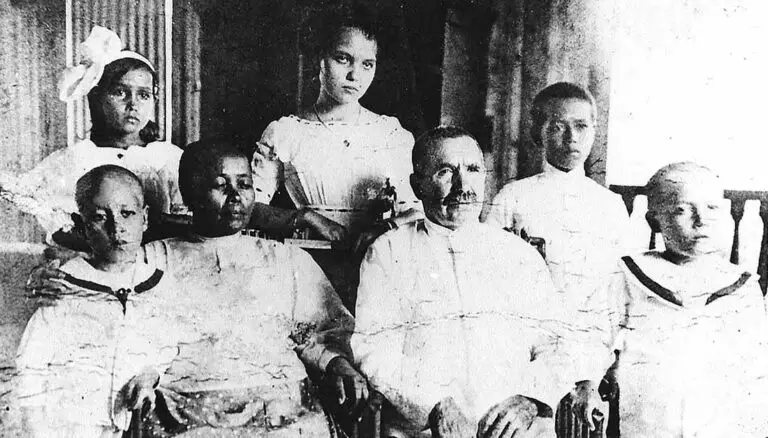
During Spanish colonial rule in the Marianas, the term mestizo (mestisu in CHamoru) referred to a person...
Weaving continues to be an important practice on Guam. For thousands of years CHamorus have used Guam’s...
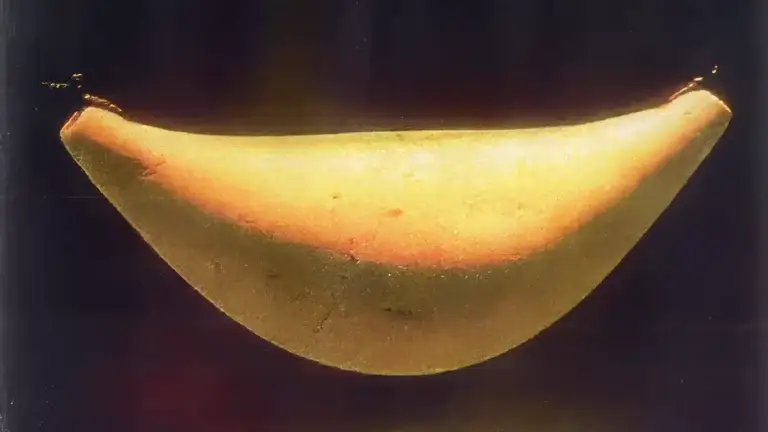
Ancient CHamorus donned various styles of necklaces called ålas and salape that were made of seashells...
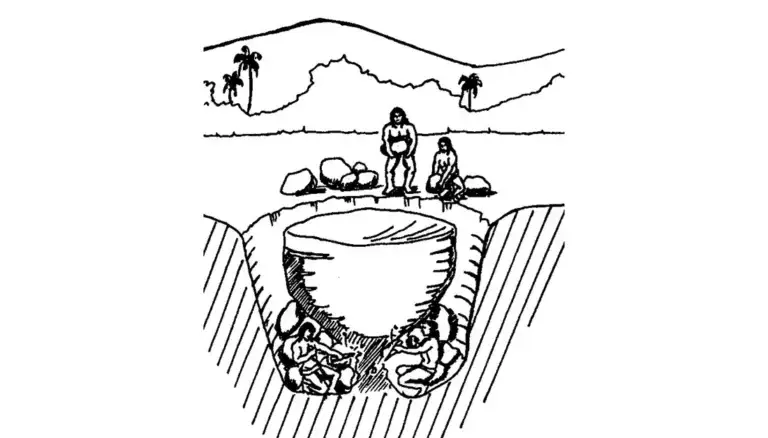
Carving is a ancient tradition on Guam and in the Mariana Islands. The craft was used for thousands of...
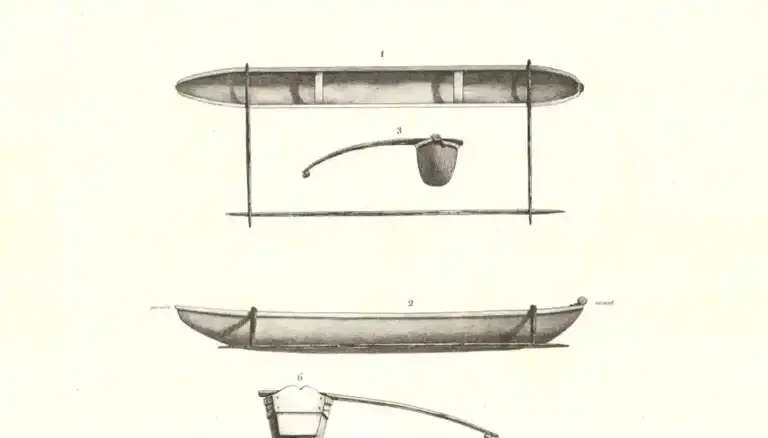
A systematic migration to and settlement of the Mariana Islands, about 3,500 years ago, would not have...
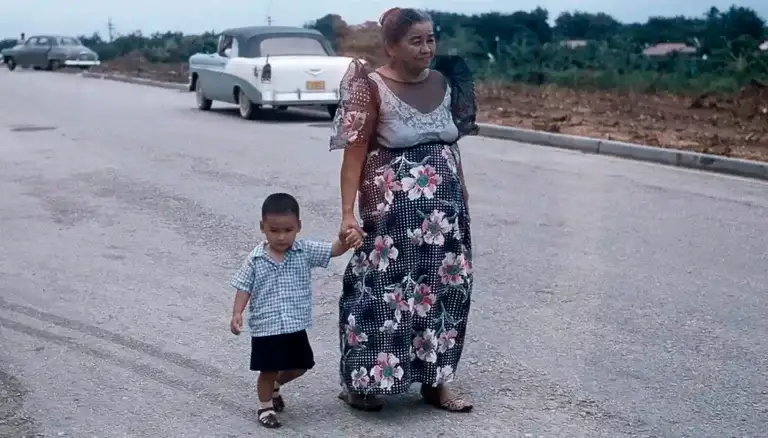
Manåmko' is a Chamorro/CHamoru word which means the elderly. Manåmko' can be translated into two words:...
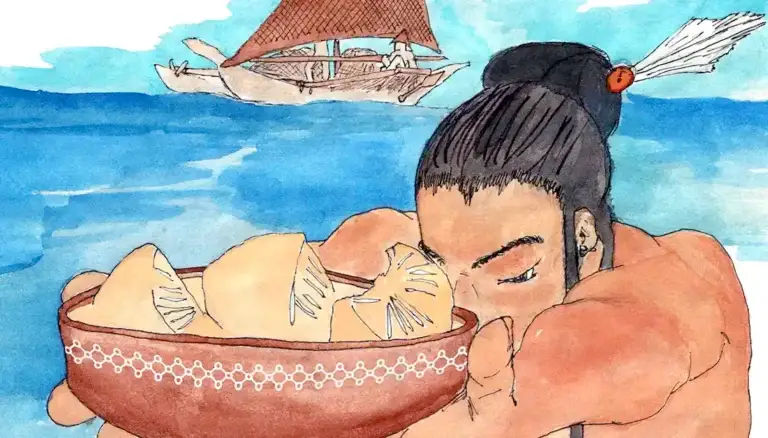
The term ko’lao yan fattoigue refers to the customary practice of bringing food to someone with whom...

Commonly translated as “children’s wealth,” guinahan famagu’on refers to a type of traditional turtle...
The term ålas (derived from the Spanish term alhajas, which means jewelry) refers to turtle shell valuables...
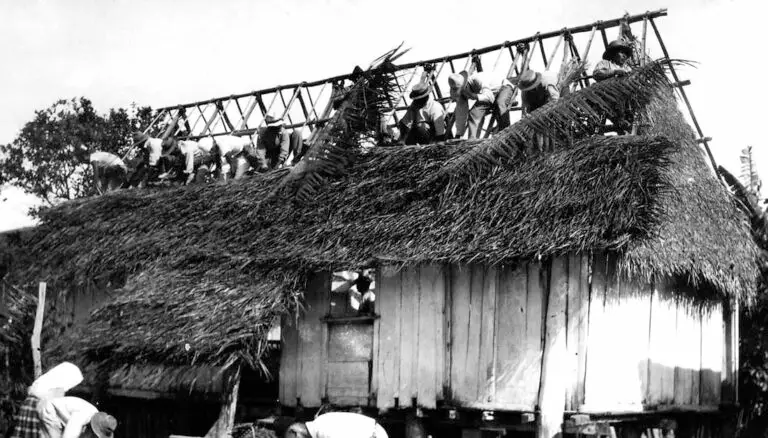
Chenchule’ refers to the intricate system of social reciprocity at the heart of ancient and contemporary...
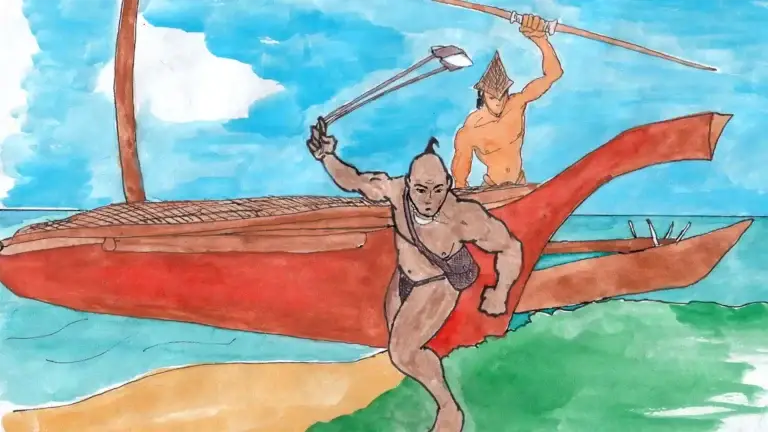
Early European accounts of ancient Chamorro/CHamoru warriors marveled at their strength, skill and fearsome...
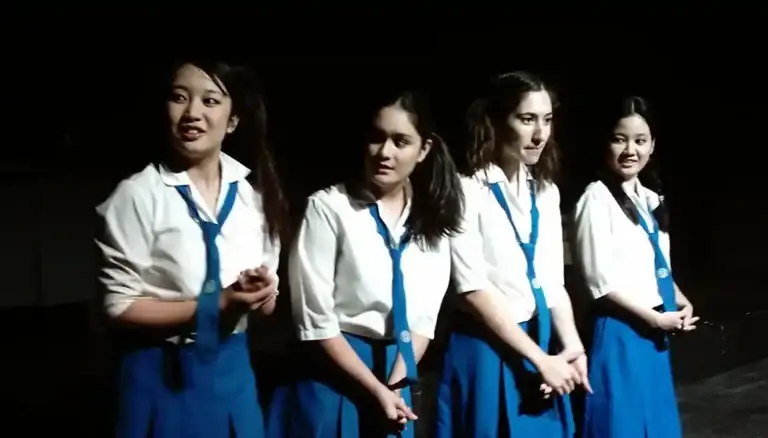
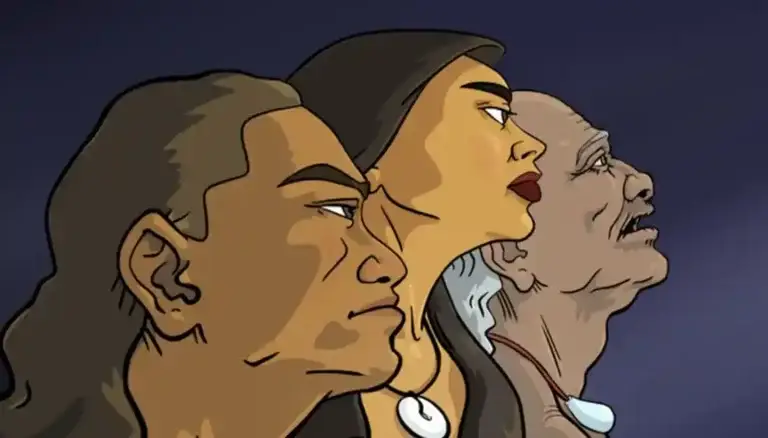
From ancient times to modern CHamoru society, CHamorus have used age, gender, placement within the family...
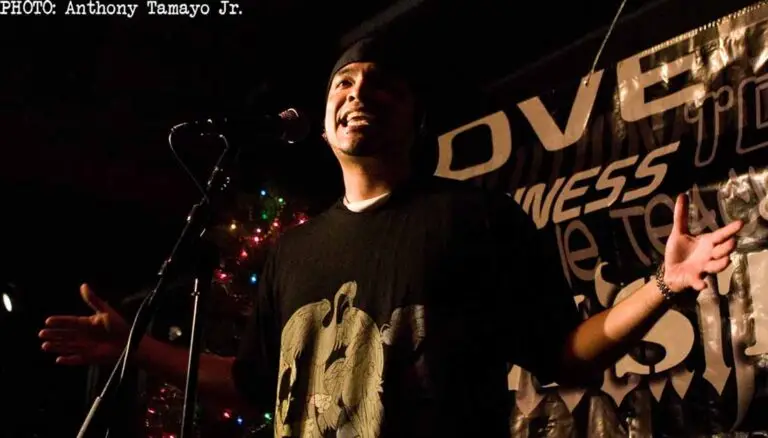
Sinangån-ta Poetry Slam traces its beginnings to the collaborative effort of three Chamorros imbued with...
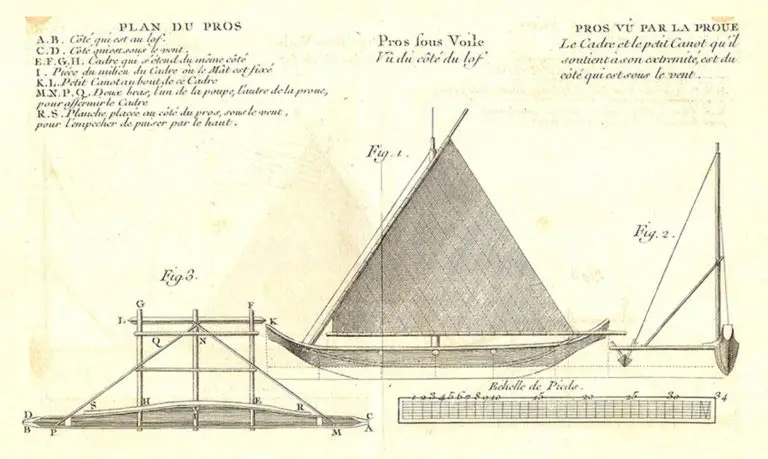
The ancient CHamorus who were skilled at canoe building and navigation were called agad’na. Early European...
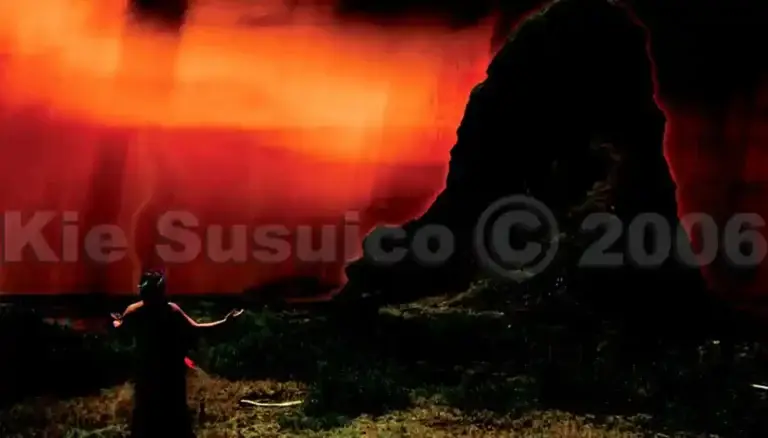
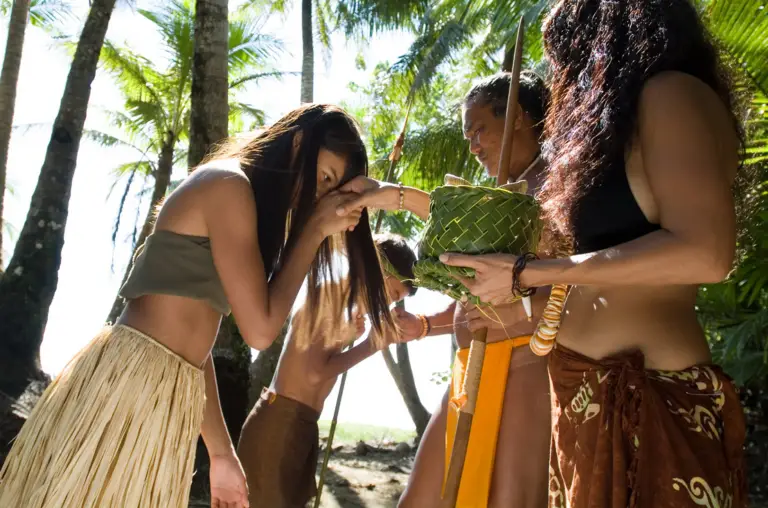
Nginge’ is a term that describes the smelling or sniffing of the back part of an elder’s slightly raised...
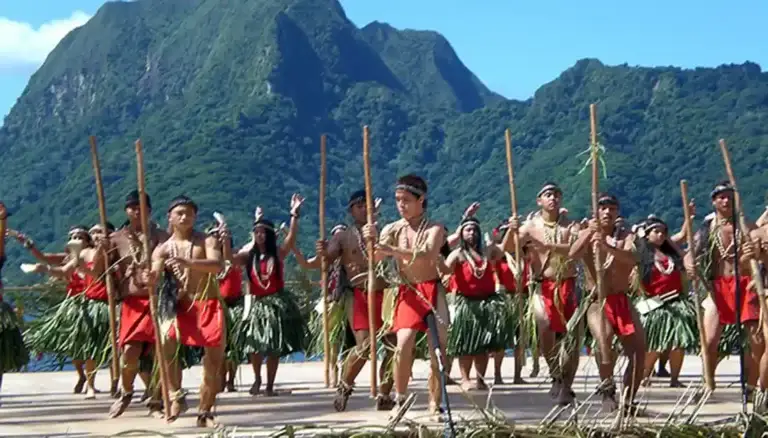
Native dance of the CHamoru people was only vaguely described by early visitors to the Mariana Islands....
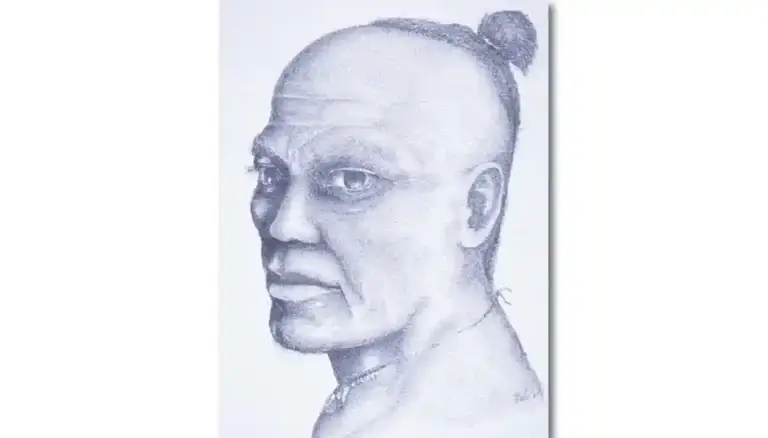
Matatnga is defined as “strong personality or fearless.” Chief Hurao, a CHamoru leader during the Spanish-CHamoru...
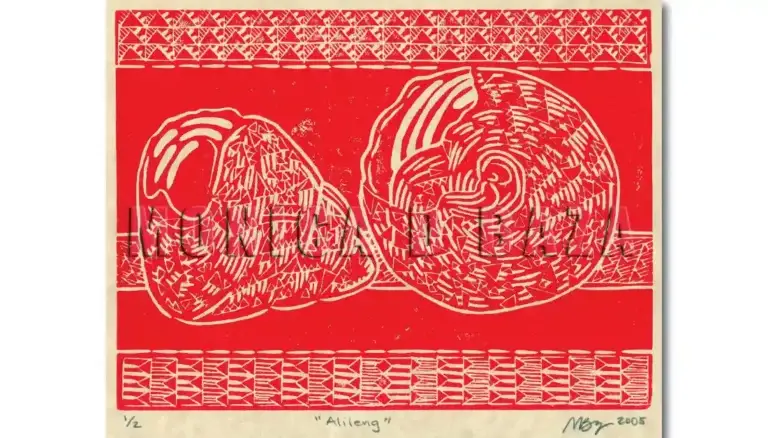
Many private print collections on Guam center around authentic Japanese woodblocks including a sizable...
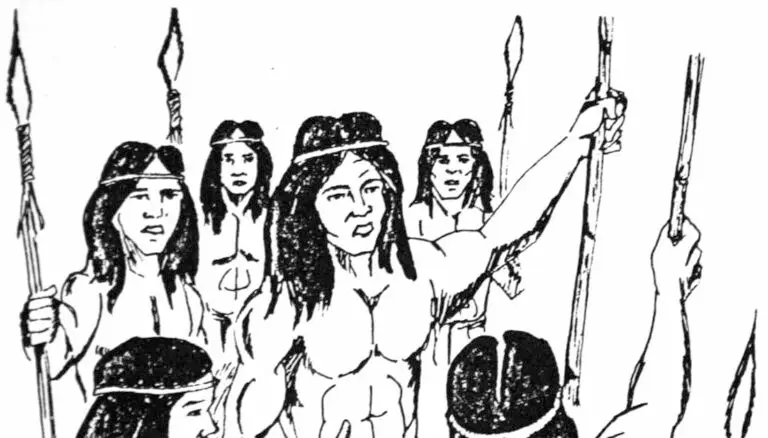
The CHamoru expression inafa’ maolek (making it good for each other) expresses a core CHamoru value....
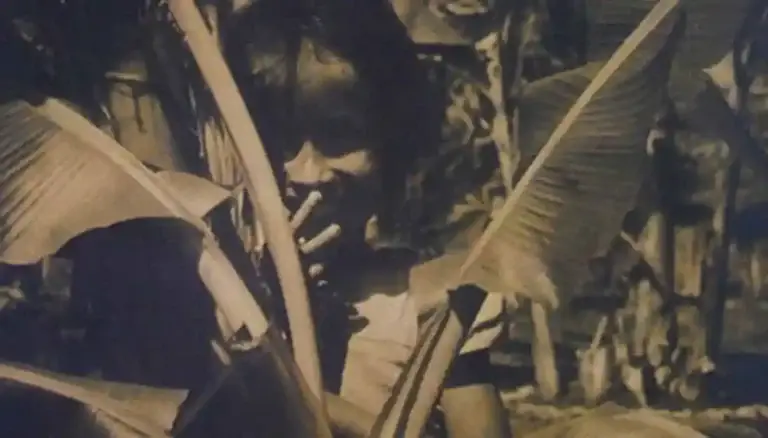
Photography as an art form is relatively new on Guam. There have been visiting photographers on Guam...
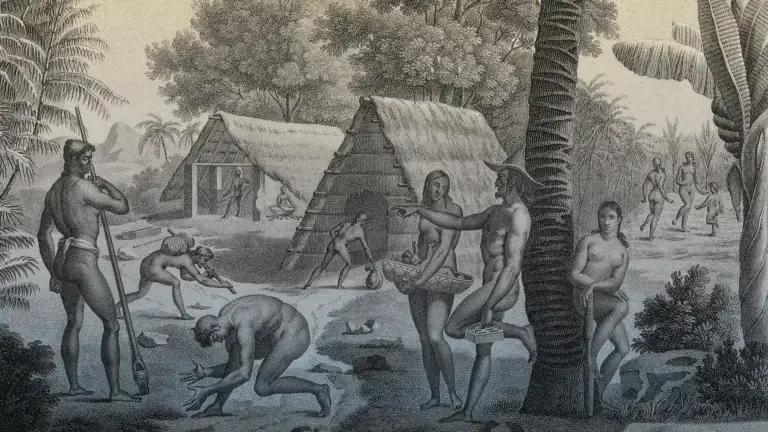
Taotaomo’na, the people of before, refers to ancestral spirits that inhabited the earth along with the...
Although a relatively new form of art, graphic arts on Guam became a common medium for cultural and artistic...
Interpretive essay: Striving for harmony is the foundation to CHamoru culture. The phrase inafa' maolek...
Though it is still relatively small, filmmaking is growing on Guam as both an art form and an industry....
Nina (patlina) and Ninu (patlino) , meaning godmother and godfather in the Mariana Islands, respectively,...
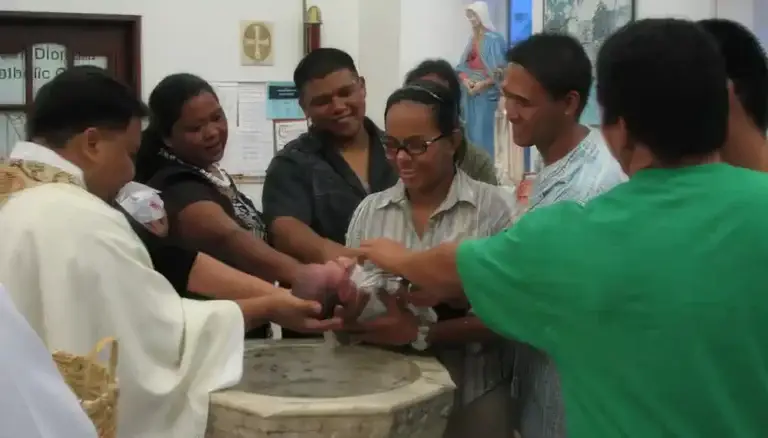
Kumpaire or pari’ is a religious and social term used to describe the relationship between parents and...

Tattooing is an art with more visible modern roots than other practices on Guam. Although tattooing is...
Kumaire, is religious and social term to describe the relationship between parents and their child’s...