Guam National Heritage Area Feasibility Study
Public or Community Input



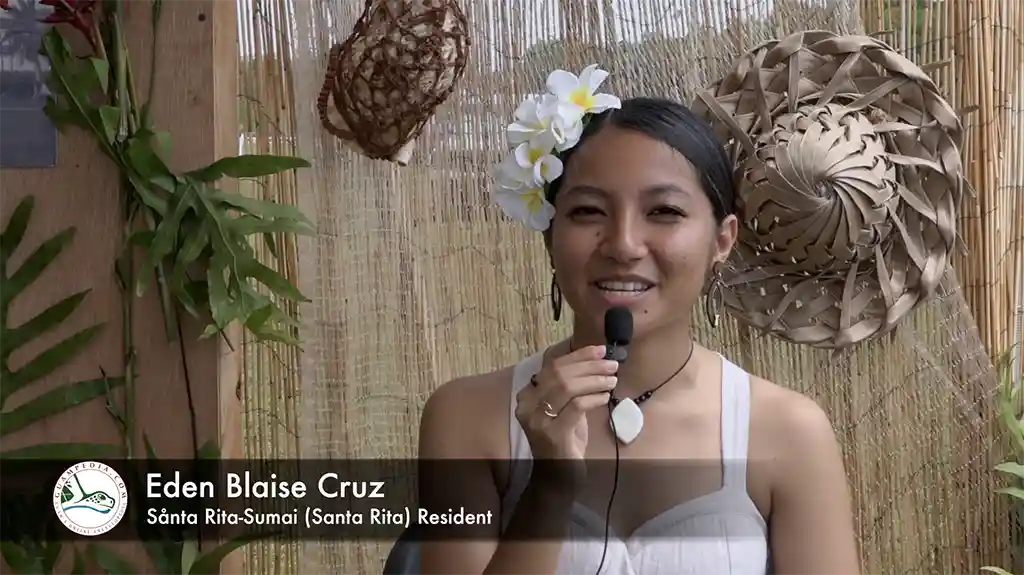
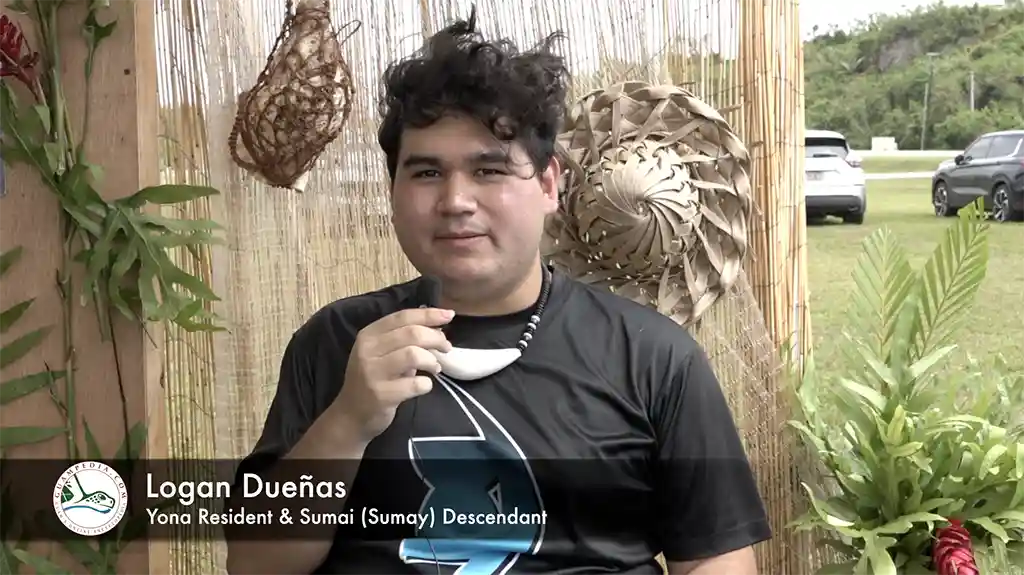
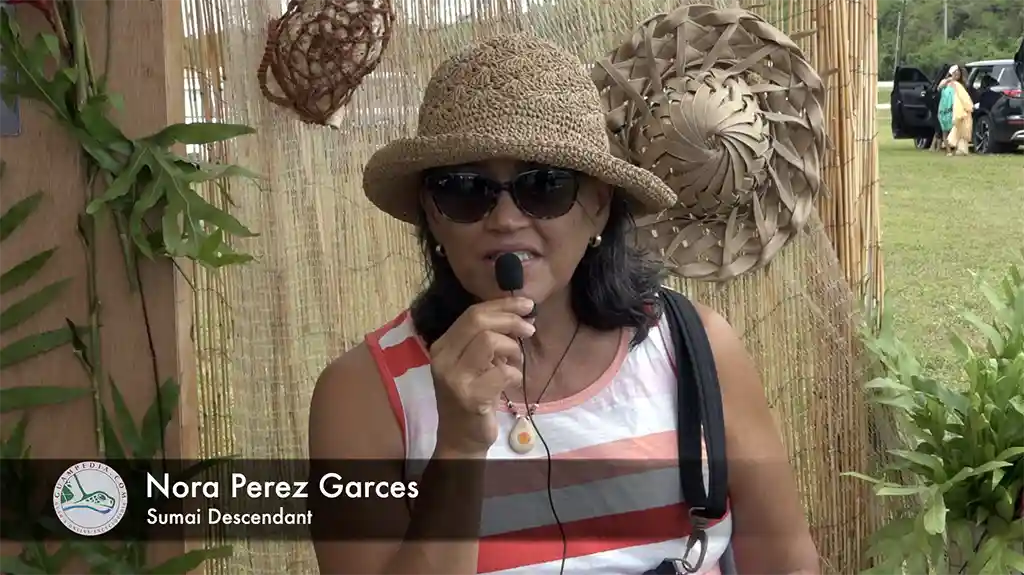
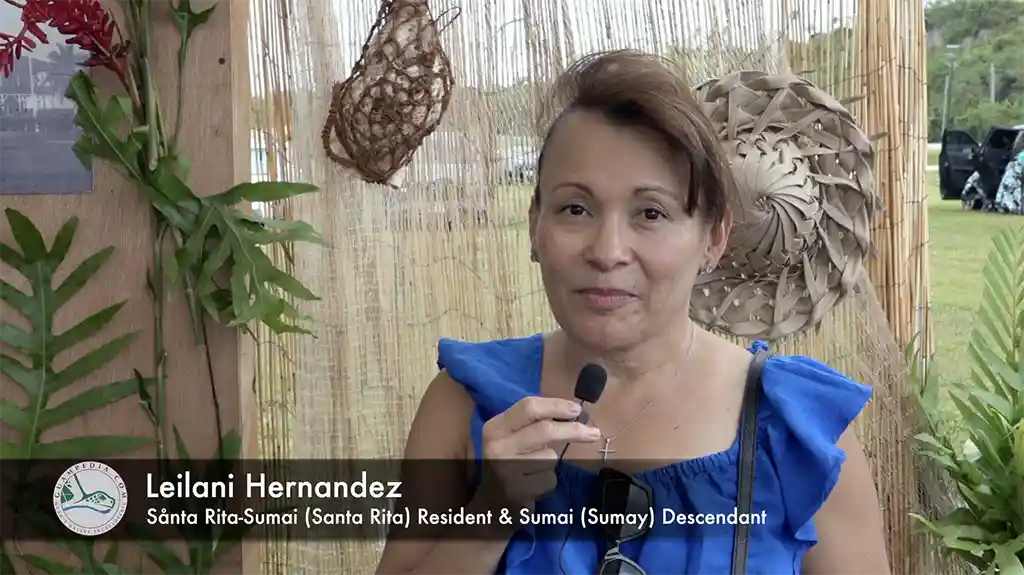
Photo gallery from the “Back to Sumay” day event that took place on Saturday, 9 May 2026 in the old village site located within the Guam Naval Base. Guampedia photos.
Table of Contents
Share This
How important is heritage to you? Heritage refers to the unique historic and cultural qualities and social legacies that identify a people and a place. It includes the things that can be seen, like buildings, art and clothing, and other things that are intangible, like values, traditions and knowledge, all of which are passed down from one generation to the next.
Heritage sites are places that reflect the history and living traditions of people. They could be part of the natural environment or built spaces that commemorate important historical events, like Fort Soledad in Humåtak, where Spanish colonizers guarded the island during the Spanish era, or Ga’an Point, where the Japanese set up anti-aircraft defense guns to fight the Americans during World War II. They could be places like Atantano in Piti, with its shrine that commemorates the building of roads during the Spanish and American eras—it is also a place where residents gather to pray and celebrate the feast of Santa Cruz. A heritage site also could be like Litekyan (Ritidian) in northern Guam, with its limestone forests, latte sites and natural caves that were utilized by CHamorus/Chamorros many years ago and that serves today as a wildlife refuge, recreational beach area and a place to harvest medicinal plants. From Yigo to Malesso’ and everywhere in between, Guam’s landscape is filled with natural beauty, a rich history, a diverse, thriving community, and an indigenous people with strong cultural and historical connections to the land, sea and sky. And in all these places there are stories that have meaning and attest to the living history of the community who care for them.
This year, Guam has an opportunity to bring national attention to our various heritage sites throughout the island with the designation as a National Heritage Area. The National Heritage Area (NHA) designation recognizes places and landmarks that have national cultural and historical significance based on evaluation by the US Congress through the National Heritage Areas Act (P.L. 117-339). This law established the National Heritage Area system, which is administered by the National Park Service (NPS).
Each National Heritage Area tells an important story of history and heritage of a particular place and adds to the diverse story of the larger nation as a whole. An NHA is established by law and assigned for administration to the Secretary of the Interior via the National Park Service. Since 1984, 62 NHAs have been designated by Congress in 32 states and territories, including the St. Croix NHA in the US Virgin Islands, the Crossroads of the American Revolution NHA in New Jersey and the Niagara Falls NHA in New York.
According to NPS, National Heritage Areas are “places where historic, cultural and natural resources combine to form cohesive, national important landscapes. Unlike national parks, NHAs are lived in communities and not federally owned.” They may contain parks or other federally owned properties. However, an NHA is more a public-private partnership—the National Park Service provides technical assistance and funding, if available, to support NHA efforts, based on a community’s needs and local interests. These efforts include historic preservation, conservation, recreation, heritage tourism, education and promoting local pride and stewardship.
NPS is currently coordinating a feasibility study to designate Guam’s sites as a possible NHA and is collecting information through public opinion and testimonies or stories. This study is being conducted by local supporters with NPS serving an advisory role. Everyone throughout our island community is encouraged to participate, ask questions, and share their stories.
Local coordination
In this process, the legislation that creates a new NHA will name a local coordinating entity (e.g., a non-profit, state/local government, university, or federal commission), typically identified in the feasibility study, that is responsible for creating a management plan and implementing it in collaboration with local networks, partners, and landowners. The local coordinating entity is the recipient of the federal funds administered by the National Park Service and will work directly with the community in conservation efforts and help ensure the area remains culturally significant and relevant to local interests and needs.
Benefits of an NHA designation
The designation as an NHA provides long term benefits, including sustainable economic development that can create jobs or generate revenue, for example, with area revitalization, building improvements or promoting heritage tourism. The quality of air or water can be improved and provide new recreational and educational opportunities for families to enjoy. An NHA designation can be a source of pride for a community and enhance their connection to their physical environment by engaging them in heritage conservation activities.
Study process
Currently there are no heritage areas designated on Guam or throughout the Pacific Islands. The feasibility study, therefore, will rely heavily on community input and the comments you provide. The feasibility study helps inventory or assess and document the important resources and stories of a potential national heritage area.
After this first public outreach phase, the next step will be for the National Park Service to analyze the comments and the study team will collaborate with local scholars and community experts to identify any nationally distinctive resources that are present in the study area. Once all the necessary information has been gathered, a study report will be generated and sent to Congress to describe findings and recommendations from the Secretary of Interior to support or oppose the establishment of the national heritage area. The NPS will then publicly release the report after it is transmitted to Congress, which will ultimately determine if an NHA is designated.
Share your thoughts
The boundaries of any potential NHA designation for Guam, such as village or territorial boundaries, or geographical boundaries, will depend on the community’s input to help determine why an area is historically significant. Shared stories and comments about how an area was traditionally used, what cultural resources it contains, and why it remains important to the community today, provides insights for NPS and the Secretary of Interior to make recommendations and that Congress will need to ultimately determine the national significance and an appropriate boundary for the heritage area. Comments from the community closed on 31 August 2026.
Tips
- Check out the other NHAs that have been designated throughout the country and see what they have in common and also what is unique about each of them. Visit NHAs Online – National Heritage Areas (U.S. National Park Service).
- Guam as a whole can be considered for an NHA designation. With its rich history that spans thousands of years with the arrival of the first peoples of the Marianas, to colonial administrations under Spain and the United States, and the experience of Japanese occupation during World War II, all contribute to the story of the nation.
- If you have a site in mind, is that site known by any other place names? Try to describe what happened there, or what is it about the place that is important to you. Share a personal story or experience about this site.
- Think of the natural environment—are there places on Guam that you and your family go to for recreation, perhaps to boonie stomp, or go to the beach to swim or fish or picnic? Are there areas where you grow or gather food or work the land? What other kinds of natural resources can be found in this area?
- Is there something that makes your village stand out—historic buildings? Scenic vistas? Latte sites? Bridges or trails? Shrines or other landmarks?
- What do you remember about going to or perhaps growing up in some of these places around Guam? Do you have a personal connection to these places? What did you experience? Did you hear stories from other people about these places? How far back in time do you think people have been occupying or using these areas?
- Think about places you believe are important for your children and grandchildren, places that are a part of your heritage and will become your legacy for your children. Will they remain places your descendants can enjoy and learn from and stay connected to, long after you’re gone?
- Who takes care of these places currently? Are there groups that can work with NPS to continue to manage these places if they are designated an NHA? Are you interested in helping take care or advocating for the care of Guam’s heritage sites?
Audio or video comments
In addition to comments in writing, NPS will also accept comments in audio or video formats. These can be simple clips that can be sent to NPS or to Guampedia. Be sure to include your name and contact, and the site you are referring to in your comment.
If you send audio clips or video to Guampedia, they will be forwarded to NPS specifically for the feasibility study. If you would like to share your comments publicly or on Guampedia, Guampedia will arrange for a disclaimer and waiver form to ensure your comments are for educational purposes only.
Si Yu’os ma’åse! Thank you for your participation!
Historic and heritage sites
Comment form
Public or Community Input
There are six questions that NPS would like the public to address or comment upon that would be very helpful for the feasibility study. Basically, the study team would like to hear your stories about particular places and practices that you are aware of or have actively participated in within these places. Your answers will help generate greater awareness of these places and their potential for an NHA designation that the study team can include in their report of findings.
The public or community input period closed on 31 August 2026.