
Chamorro Culture
Folktale: Sirena
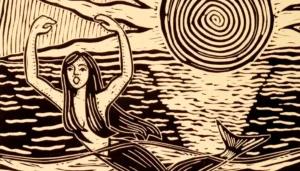
The mythological maiden, Sirena, in the ‘I Tetehnan’ manuscript is considered a proverb, and not a legend.
The mythological maiden, Sirena, in the ‘I Tetehnan’ manuscript is considered a proverb, and not a legend.
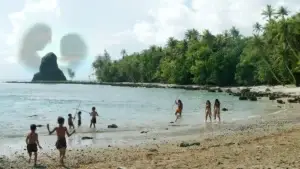
Fouha Bay, located just north of Humåtak on Guam’s southern west coast at the mouth of Fua River, holds thousands of years of meaningful history.
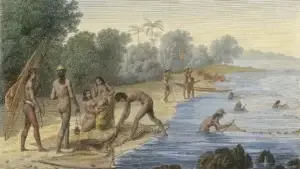
Since ancient times, Chamorro/CHamoru society has assigned both distinct and overlapping roles by gender. Both parents participate in family decisions, provide continuing support of their
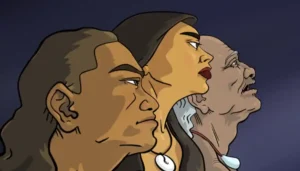
Parents and other elders are important in Chamorro/CHamoru family and culture. CHamorus gain respect and status as they age.
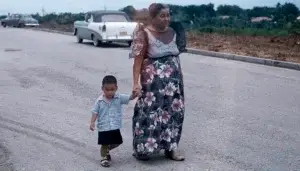
Poksai is a CHamoru verb meaning “to nurture.” It refers to the common Pacific Islander practice of informal adoption among extended family members.
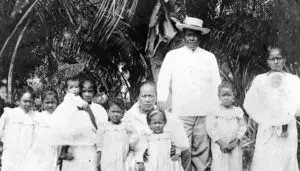
Familia, a Spanish word meaning family, has a more inclusive definition in CHamoru. The term familia includes not only one’s immediate family members, but the
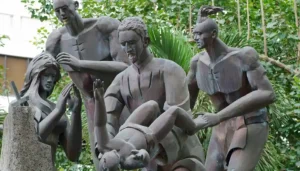
History will remember Maga’låhi Matå’pang from Tomhom (Tumon) as the man responsible for murdering Father Diego Luís de San Vitores, the Spanish Jesuit priest who
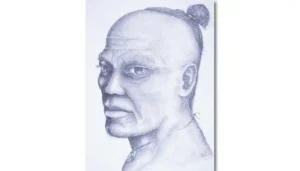
Hurao is one of the most celebrated Chamorro/CHamoru chiefs in Guam’s history. He was a Hagåtña Chamorri (high caste) in the late 1600’s, who with
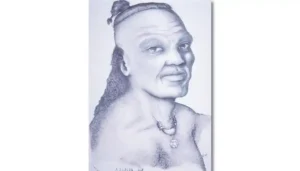
Agualin (also referred to in historic documents as “Aguarin”) was a Chamorro/CHamoru chief who led several revolts against the Spanish. He was from Hagåtña, but
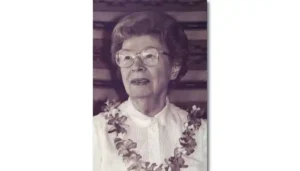
Laura Maud Thompson (1905-2000), a distinguished sociocultural anthropologist who studied peoples and cultures around the world, is best known for her comprehensive studies of the