
Birth and Childhood Practices
First Holy Communion and Confirmation
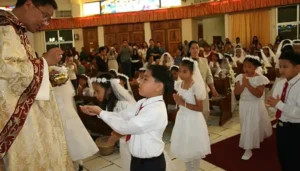
Church rites. Primera Kumuñon (First Holy Communion) and Komfetmasion (Confirmation) are church rites that have become CHamoru traditions among Catholics.
Church rites. Primera Kumuñon (First Holy Communion) and Komfetmasion (Confirmation) are church rites that have become CHamoru traditions among Catholics.

The Mariana Islands has a history of pottery-making that is more than 3,500 years long. The first people to arrive in the Mariana Islands apparently
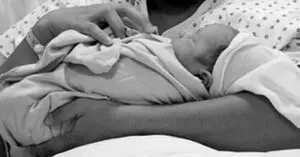
The birth of a child is the most important family event in CHamoru society. It marks the beginning of family celebrations and obligations that define

In the past, picking a name for the child was a family affair. In the early matrilineal CHamoru society, the name of a newborn child
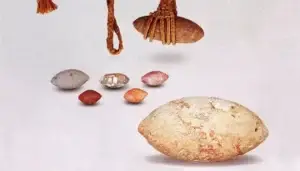
The signature weapon of the ancient Chamorro/CHamoru warrior, slingstones of various sizes were sharpened at both ends and hurled from a sling with deadly force
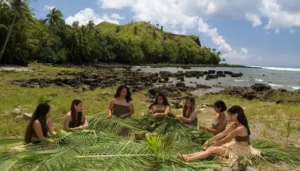
The coconut, called niyok in Chamorro/CHamoru and cocos nucifera scientifically, is undoubtedly one of the most important native plant foods in the Mariana Islands. Chief
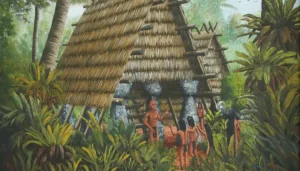
The latte is a manmade construct carved from limestone or basalt that was used as a foundation for a shelter against the elements or as
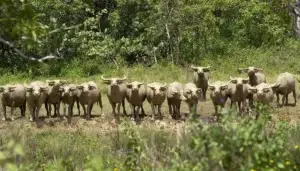
Karabao or carabao are water buffalo introduced to Guam from the Philippines during the Spanish occupation (1668 – 1898) for farming. In and since colonial
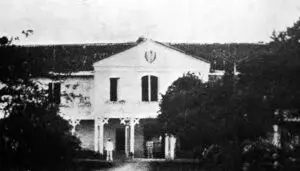
Two terms were used to differentiate the origin of the Spaniards residing In the 19th century colonial Philippines. A Spaniard born in Spain was referred
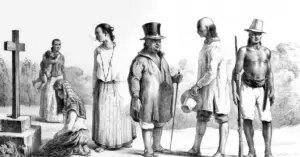
Spanish administrative term. This name is given to the primitive Indians with whom the Spaniards settled the peace agreements, although their descendants had mixed by