
Ancient Guam Era
Utak: Itak
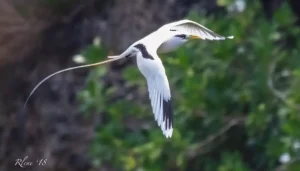
The utak or itak (Phaethon lepturu) is a bird Chamorros/CHamorus believe plays a role as providing an omen of life and death. The bird is
The utak or itak (Phaethon lepturu) is a bird Chamorros/CHamorus believe plays a role as providing an omen of life and death. The bird is

Competition for rank and status. As in any culture, Chamorros/CHamorus compete against themselves in various ways, whether at the level of individuals, families, neighborhoods, villages

Prior the Spanish colonization of Guam, Chamorro culture was fairly liberal about issues of romance, marriage and sex, even when compared with the norms of

The Chamorro term ma’goddai can be described as a strong feeling one gets when they admire someone because of their appearance such as being poki
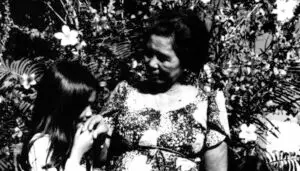
The phrase Chamorro/CHamoru parents say to their children that best illustrates the core CHamoru value of respetu (respect) is “Mungga na un ma’ mamåhlao.” (Don’t
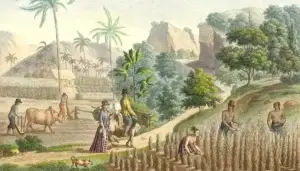
The word “låncho” comes from the word Spanish word “rancheria” and refers to Chamorro farms, ranches, gardens, or family property in the hålomtåno’ (jungle), and
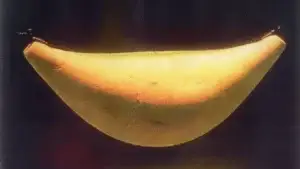
Discussing the pre-colonial arts of Chamorros is a difficult task. Documents by the Spanish who first made contact with Chamorros are limited.
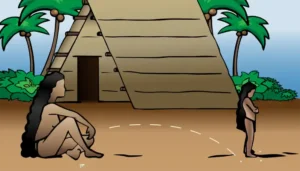
Codes of conduct. From what is written in historical texts about Guam and the Mariana Islands, Chamorro ancestors disciplined children though not by corporal punishment.

In CHamoru culture many values are exhibited in daily life. Geftao (generous, giving in the CHamoru language) is an example of a principle that conveys
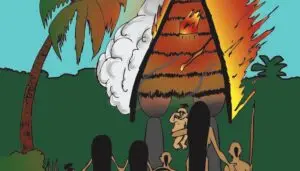
Divorce. The earliest information known about the Ancient Chamorro/CHamoru style of divorce comes from the notes of Fray Juan Pobre de Zamora.