
Chamorro Culture
Mestizo (Mestisu)
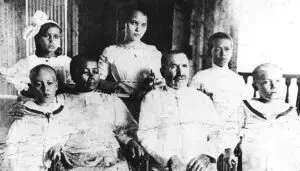
During Spanish colonial rule in the Marianas, the term mestizo (mestisu in CHamoru) referred to a person of mixed parentage. In its original context, as
During Spanish colonial rule in the Marianas, the term mestizo (mestisu in CHamoru) referred to a person of mixed parentage. In its original context, as
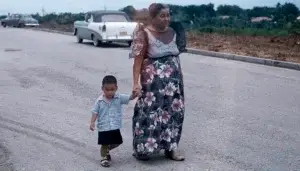
Manåmko’ is a Chamorro/CHamoru word which means the elderly. Manåmko’ can be translated into two words: The main word or subject is amko meaning elderly,
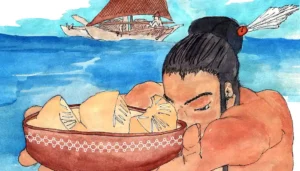
The term ko’lao yan fattoigue refers to the customary practice of bringing food to someone with whom you are visiting. Oftentimes, the visitor and the
Commonly translated as “children’s wealth,” guinahan famagu’on refers to a type of traditional turtle shell valuable, or ålas, used in the highly reciprocal lifestyle of
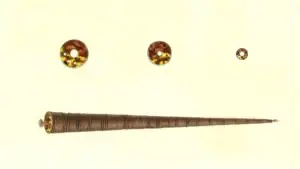
The term ålas (derived from the Spanish term alhajas, which means jewelry) refers to turtle shell valuables used within the highly reciprocal associations of the
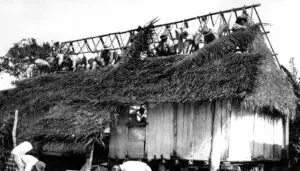
Chenchule’ refers to the intricate system of social reciprocity at the heart of ancient and contemporary CHamoru society. Chenchule’ is a support system of exchange
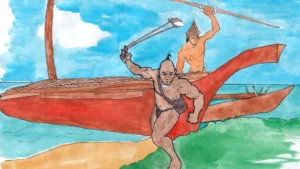
Early European accounts of ancient Chamorro/CHamoru warriors marveled at their strength, skill and fearsome weapons. According to one missionary, CHamorus were amongst the strongest of

From ancient times to modern CHamoru society, CHamorus have used age, gender, placement within the family (e.g. first born), abilities, and social status to some
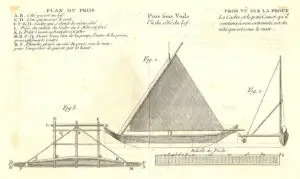
The ancient CHamorus who were skilled at canoe building and navigation were called agad’na. Early European accounts regularly marveled at these CHamoru vessels, William Dampier.
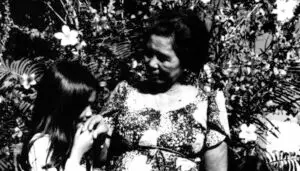
Nginge’ is a term that describes the smelling or sniffing of the back part of an elder’s slightly raised right hand. Elders, or manåmko, collectively