

Catholic
Bishop Agustín José Bernaus
Bishop Agustín José Bernaus y Serra, or Bishop Bernaus, was the second Apostolic Vicar of Guam. When Bishop Francisco Javier Vilá died in 1913, Bernaus
Bishop Agustín José Bernaus y Serra, or Bishop Bernaus, was the second Apostolic Vicar of Guam. When Bishop Francisco Javier Vilá died in 1913, Bernaus
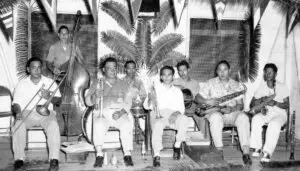
Francisco Garrido Franquez (1921 – 2006), also known as “Frank” or “Ankie,” first picked up the harmonica at the age of 14 years old. In
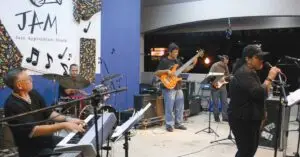
Jazz is a unique style of modern music. Remnants of jazz can be heard in several different styles of music. The origin of jazz is

Contemporary CHamoru music is a ubiquitous part of life on Guam at the beginning of the 21st century and a key element of modern CHamoru
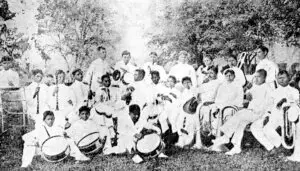
When Lt. Commander William Sewell served as the third American Governor of Guam beginning in 1903, he reacted poorly to the Spanish flavor of the
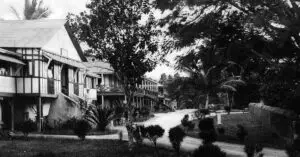
The first US Naval Hospital in Guam was established in Hagåtña in August 1899 by Surgeon Philip Leach. Since many Chamorros at the time consulted
Because of a shortage of personnel Navy Medical Officers began teaching local women to be health care workers. The first class offered, in 1901, was
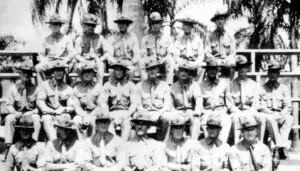
From 1899 to 1941 US Marines given the title “Insular Patrolman” were selected to live in Guam’s villages and maintain order. Among their many duties
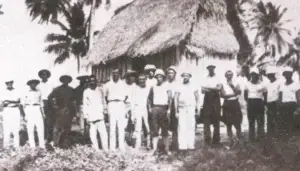
In the first decade of the 20th century, the US Navy embarked on a policy of forcibly segregating Chamorros suspected of having Hansen’s disease (leprosy)
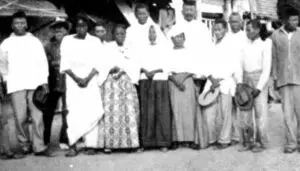
Spanish built first leprosarium. As early as the 1600s, Western explorers documented seeing Chamorros of the Mariana Islands afflicted with apparent Hansen’s disease, or leprosy.