
Ancient Guam Era
Kottot: Marriage Rituals
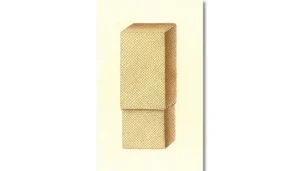
Kottot (pronounced koe-toot) is a rectangular basket made from the leaves of the åkgak (awhk-gak) tree, which is the Screw pine (pandanus tectorious). The kottot
Kottot (pronounced koe-toot) is a rectangular basket made from the leaves of the åkgak (awhk-gak) tree, which is the Screw pine (pandanus tectorious). The kottot

ndios were defined as the native indigenous peoples in all the Spanish American and Asian possessions. During the Spanish colonial period in the Mariana Islands
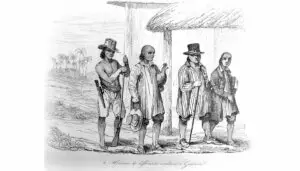
Insulares was the specific term given to criollos (full-blooded Spaniards born in the colonies) born in the Philippines or the Marianas. Insulares were part of
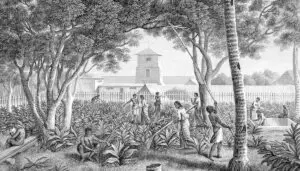
During the Spanish colonial period (1668-1898), persons of mixed African and Spanish ancestry were known to the Spaniards as mulatos. They were mostly hired for
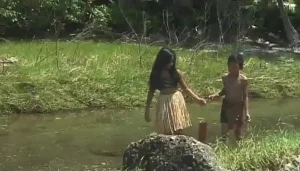
Che’lu is a Chamorro term for a sibling; brother or sister. Mañe’lu is the plural form of che’lu, referring to more than one sibling.
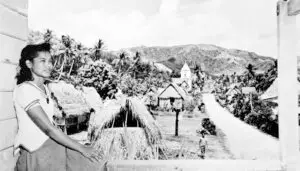
Derived from the Spanish term “soltera” for an unmarried female and “soltero” for an unmarried male, the Chamorized terms “sottera” and “sotteru” are used to
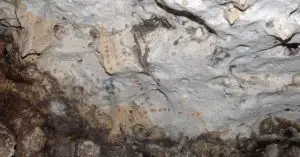
Freycinet also noted that an examination of CHamoru words and phrases supports the idea that the islanders were knowledgeable about astronomy and maritime arts. For
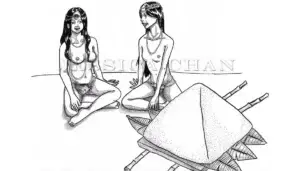
Rice was an important ceremonial food during ancient times in the Mariana Islands. At a wedding party, which usually took place in the morning at
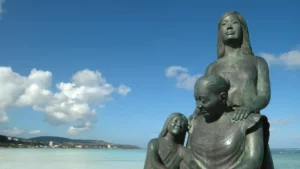
A precise understanding of Chamorro/CHamoru concepts or designations requires a fundamental understanding of the Chamorro worldview, inafa’maolek, which is a social practice of interdependence and
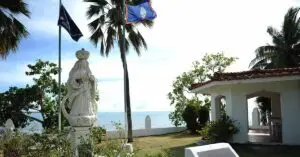
Santa Marian Kamalen, also known as Our Lady of Camarin, is the patron saint of Guam. The 300-year-old Santa Marian Kamalen statue is a revered