
Dr. Anne Perez Hattori Collection
Table of Contents
Share This
In this section, Guampedia is proud to feature previously published essays on Guam culture and history topics by Dr. Anne Perez Hattori. Guampedia aims to serve our readers as a digital repository and archive, and we hope that these e-publications from Dr. Hattori will reach local scholars, students, and community members seeking to gain more in-depth knowledge on the islands and people of the Marianas.
Commemorating Our Past, Commandeering Our Future: Guam’s Rocky Road to Self-Governance
This speech was delivered in August 2025 in honor of the 75th Anniversary of the Organic Act. Dr. Hattori’s critical reading of the Organic Act examines the significance of the Act’s passage and what it meant to Chamorros at the time, as well as the limitations of our island’s political status and our lack of true self-governance.
Learn more by reading Dr. Hattori’s speech here.
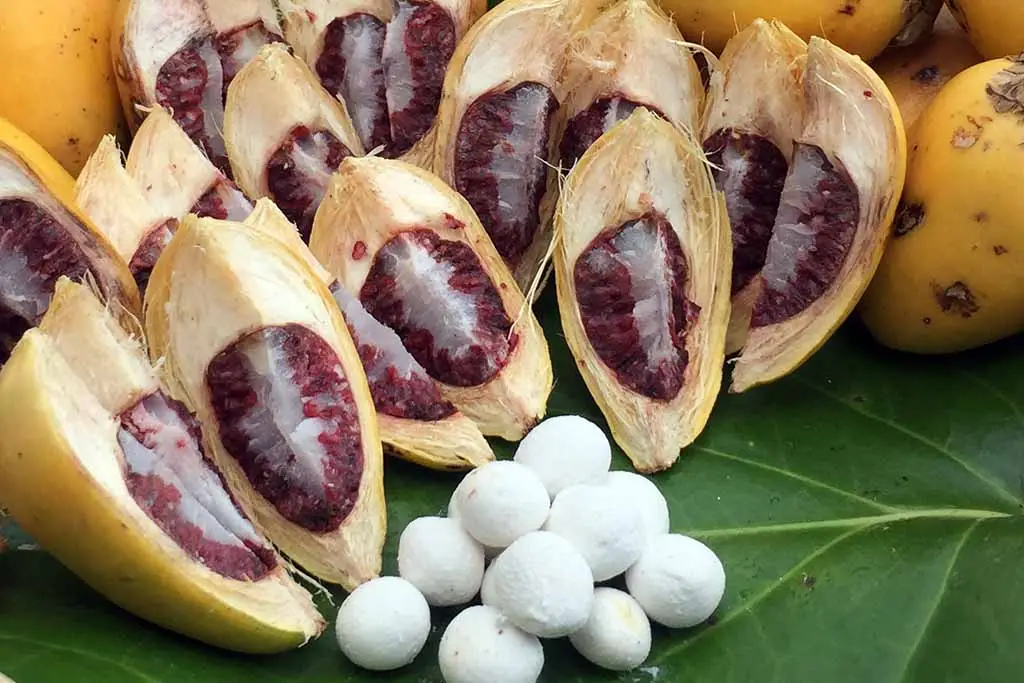
Betel Nut: Cultural and Social Aspects
Betel nut, known to Chamorros as pugua, can be viewed as a rich marker of cultural and social practice that has played a key role in Chamorro cultural dynamics and family relationships. Its treatment since colonization has revealed tensions of cultural identity, and pugua can thus serve as a lens through which we can understand a variety of Chamorro cultural and social issues.
To learn more and read Dr. Hattori’s original publication click here.
Historical Fiction or Fictional History in Mariana Islands Novels, 2012-2017
In this essay, Dr. Hattori analyzes how novels featuring the Mariana Islands published between 2012 and 2017 represent Chamorro culture and history. The essay argues that historical inaccuracies or cultural misrepresentations are harmful, and ultimately work to undermine the agency and vibrancy of Chamorro history and culture.
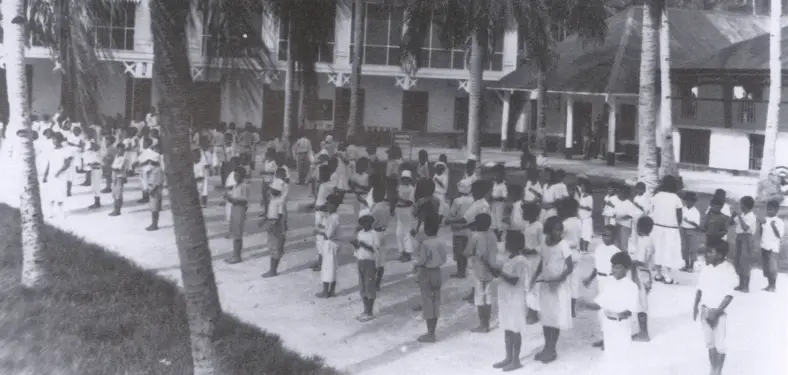
The 1918 Influenza Pandemic in Guam
In this essay, Dr. Hattori charts the history of US colonialism in Guam, from the Spanish-American War to the contemporary US military build-up. The essay uses Spam as metaphor for “US generosity and valor, albeit at the cost of Chamorro land and bodies,” and looks closely at the costs of US liberation and how post-World War II factors pushed Chamorros into Americanization as they struggled with land and language loss. The essay also looks at current Chamorro efforts to resist ongoing US militarism in Guam.
Learn more by reading Dr. Hattori’s entry here.
Chenchule’: A System of Receiving
In contrast to “master narratives” that present the Pacific Islands and people as hospitable and always welcoming, Dr. Hattori examines how Chamorro reciprocity systems are complex and layered with deep cultural meanings.
Learn more by reading Dr. Hattori’s speech here.
Uncle S(p)am: The expensive cost of US Colonialism in Guam
In this essay, Dr. Hattori charts the history of US colonialism in Guam, from the Spanish-American War to the contemporary US military build-up. The essay uses Spam as metaphor for “US generosity and valor, albeit at the cost of Chamorro land and bodies,” and looks closely at the costs of US liberation and how post-World War II factors pushed CHamorus into Americanization as they struggled with land and language loss. The essay also looks at current CHamoru efforts to resist ongoing US militarism in Guam.
Gender and Guam History Textbooks
The importance of women through Chamorro history is well documented, although history books don’t often reflect this reality. In this essay, Dr. Hattori examines representations of women in Guam history textbooks, and argues that in order to come to a deeper understanding of our history, researchers and writers must avoid either ignoring or exaggerating the roles of both men and women.
Learn more by reading Dr. Hattori’s entry here.
The Long Way Home: Voyages of Discovery through Pacific History
In this autobiographical essay, Dr. Hattori reflects on her journey to becoming scholar of Pacific and CHamoru history, and the social and cultural currents that have shaped her life’s work.
Guardians of our Soil: Indigenous Responses to Post-World War II Military Land Appropriation in Guam
In this paper, Dr. Hattori traces CHamoru resistance to US military land takings in the era immediately after World War II. By examining these histories, the author challenges common narratives that CHamorus felt so indebted to US military after liberation from the Japanese that they did not oppose land condemnation at all. The paper looks at how CHamorus were granted the ability to participate in local government for the first time when the Guam Congress was created, although it initially existed solely as an advisory body. The paper also analyzes the passage of the Organic Act, and further examines how contemporary land issues have played out in the court system, and the creation of the Chamorro Land Trust Act and the Landowners Association.
Colonial Dis-Ease photo collection
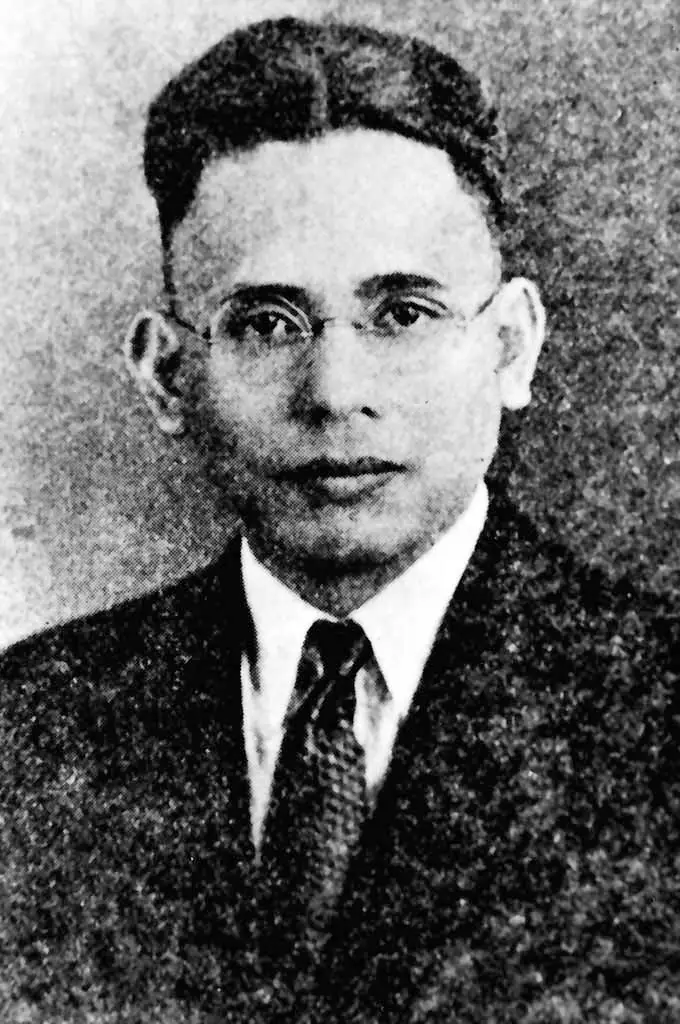
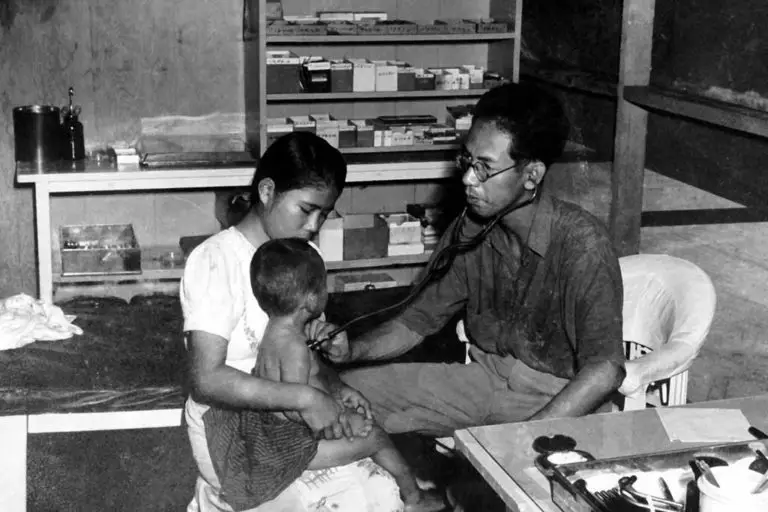
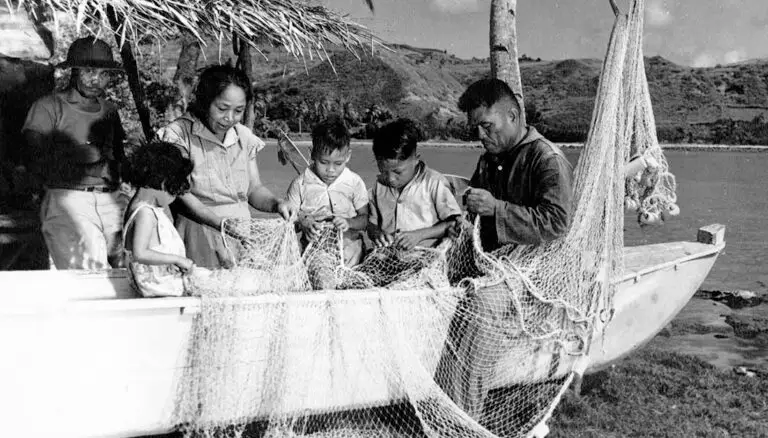
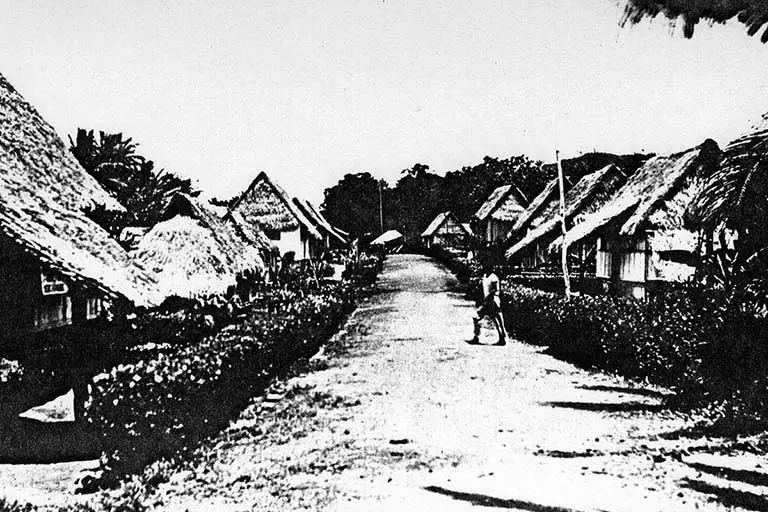
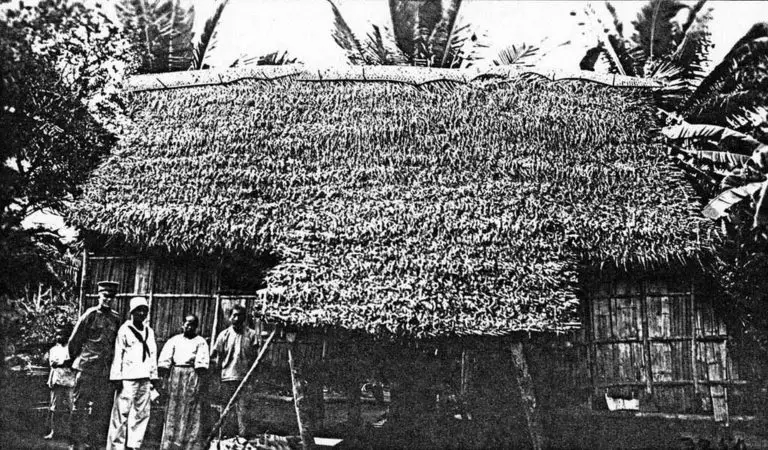
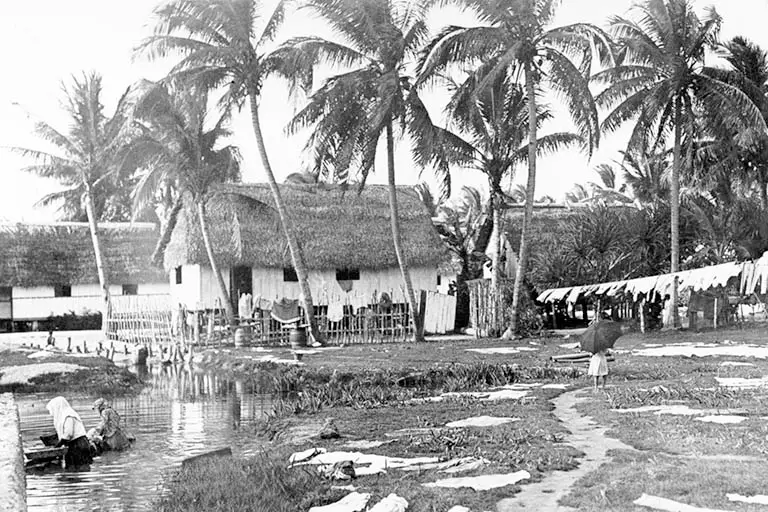

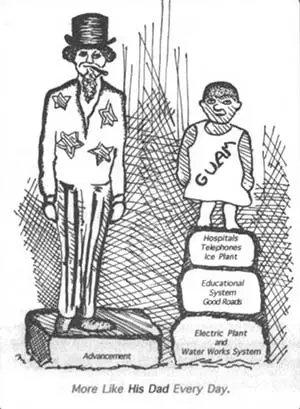
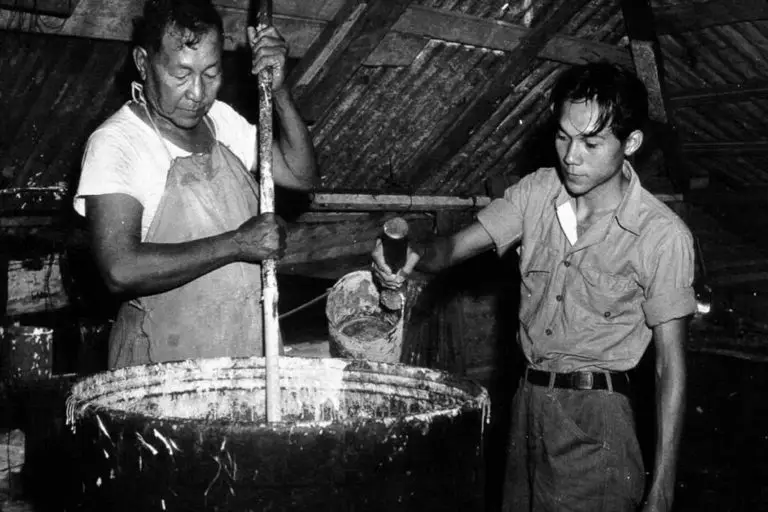
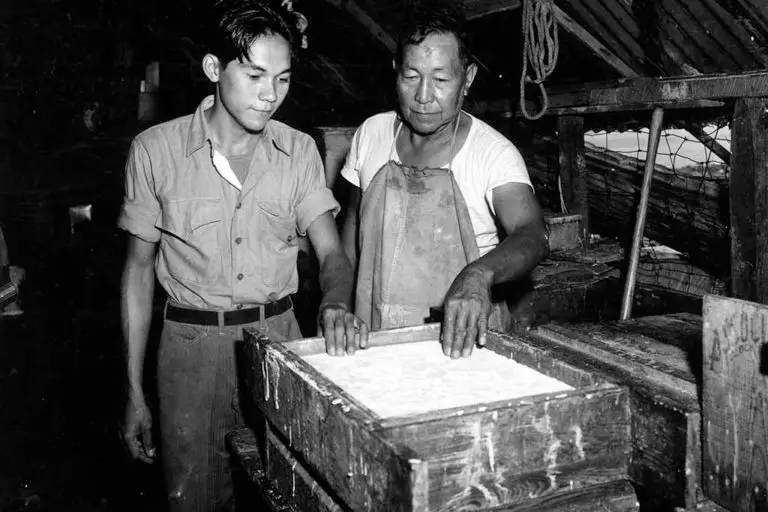
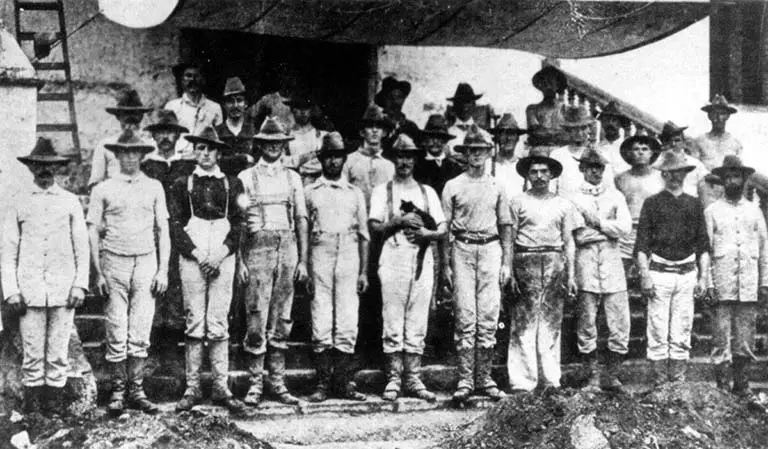
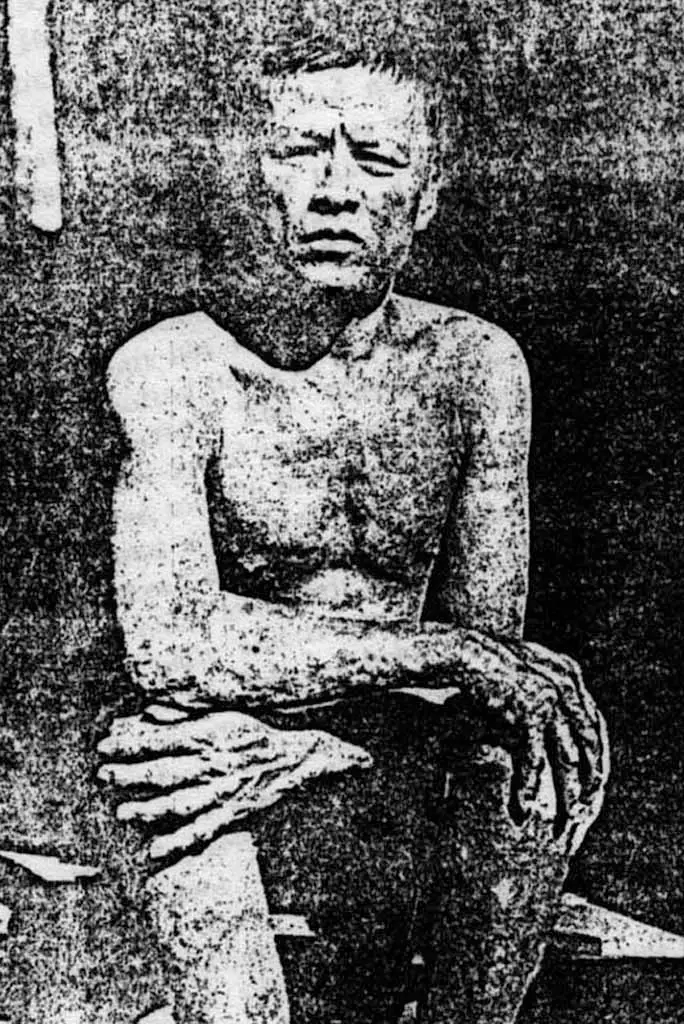
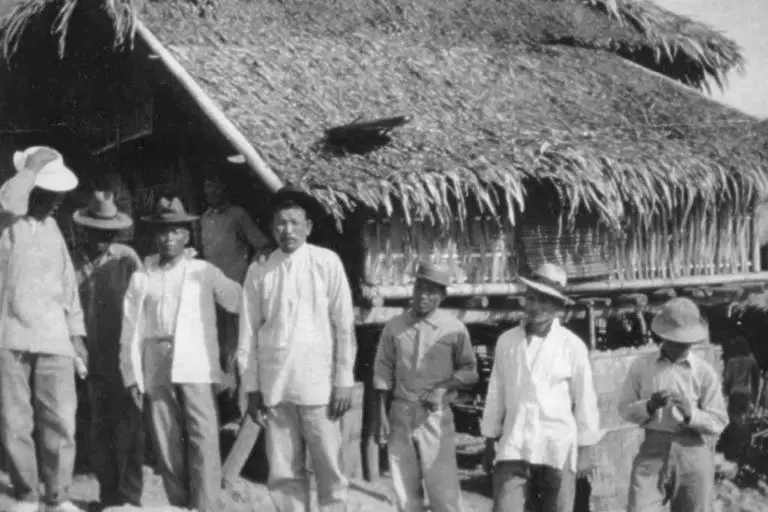
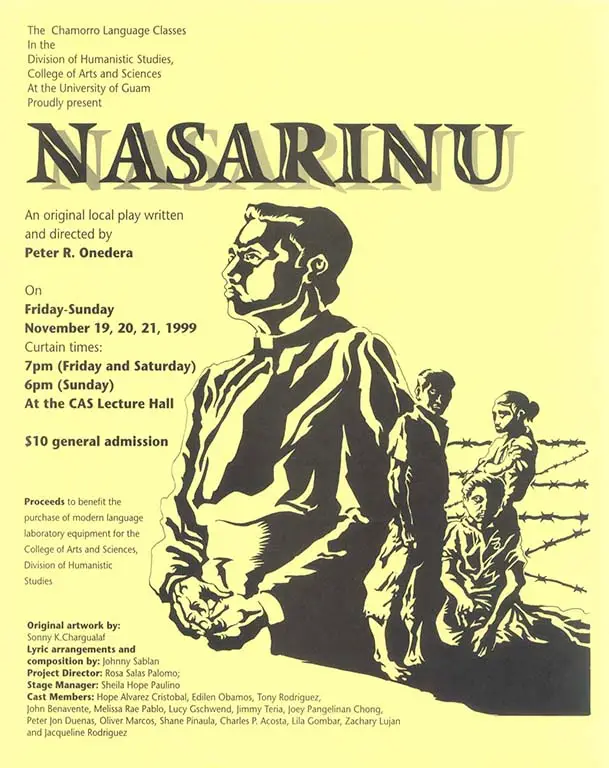
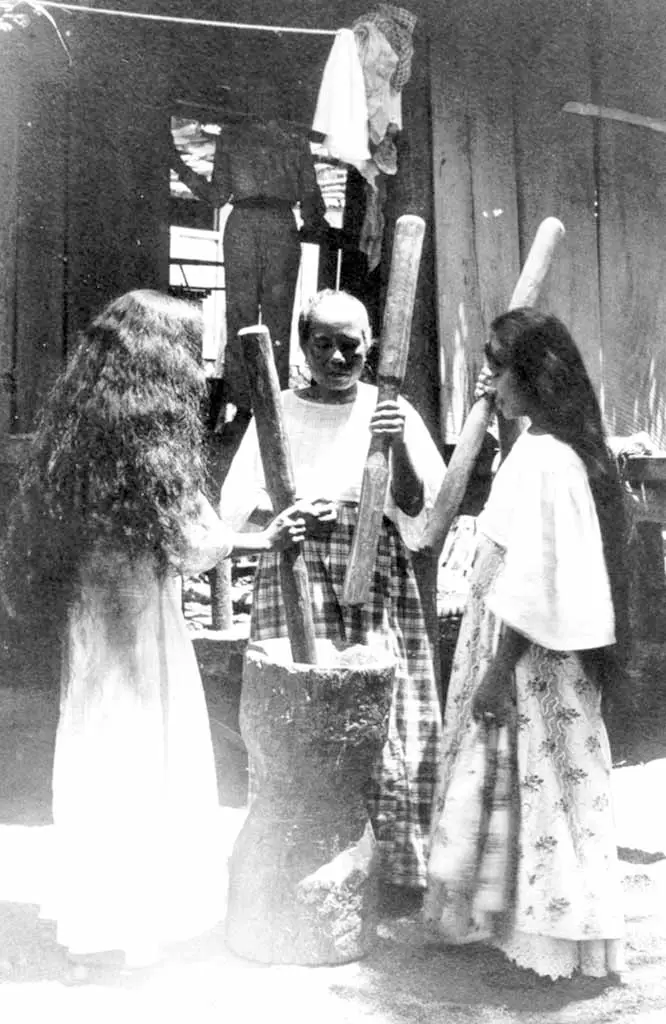
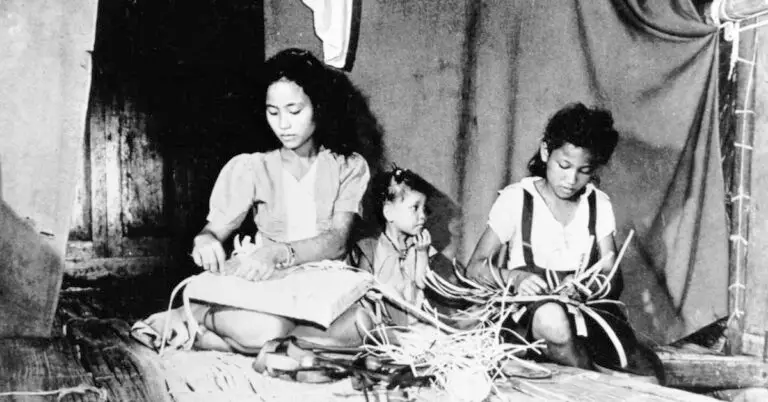
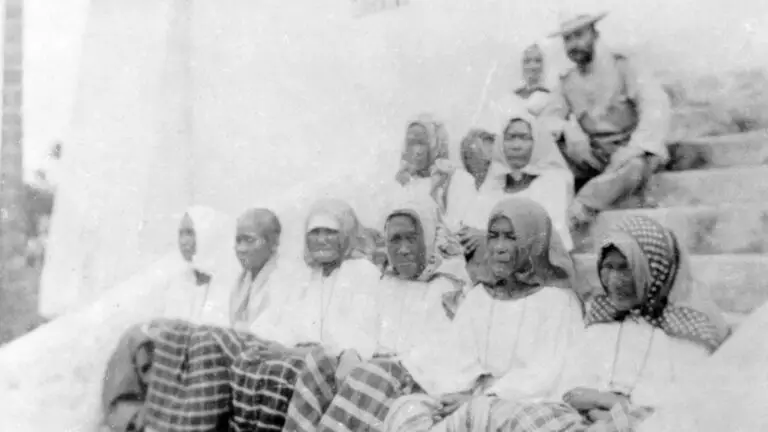
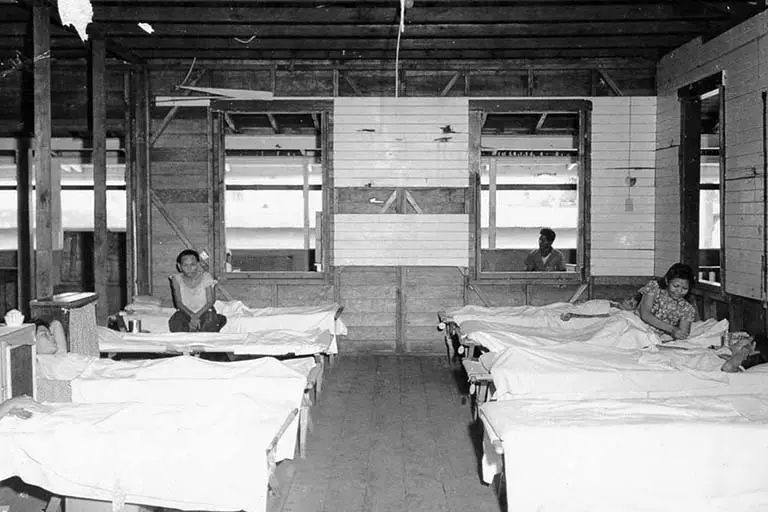
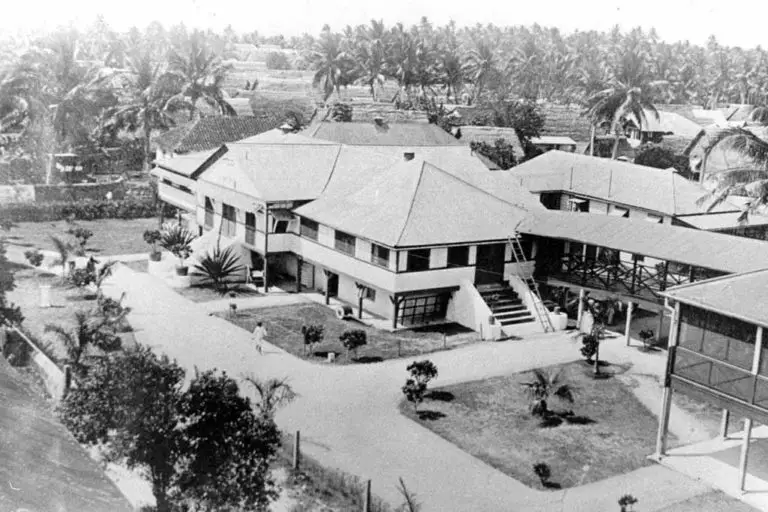
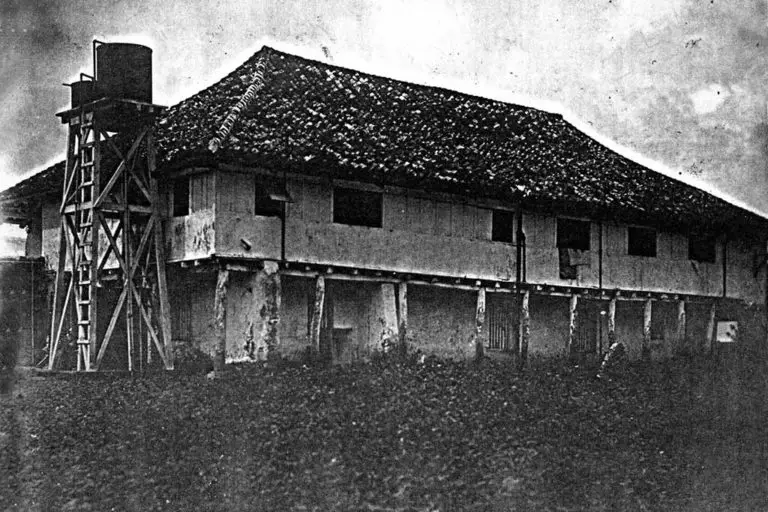
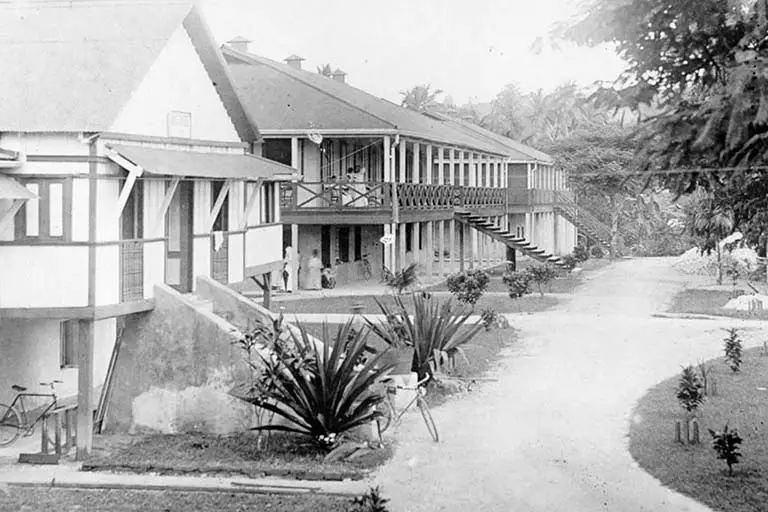
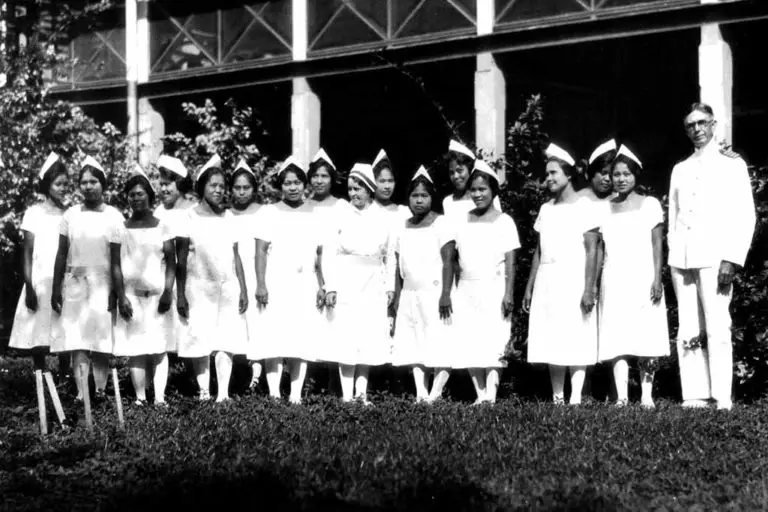
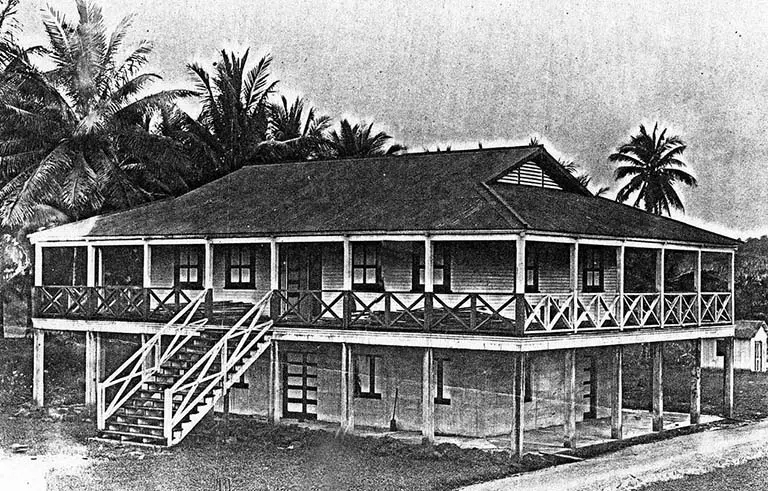
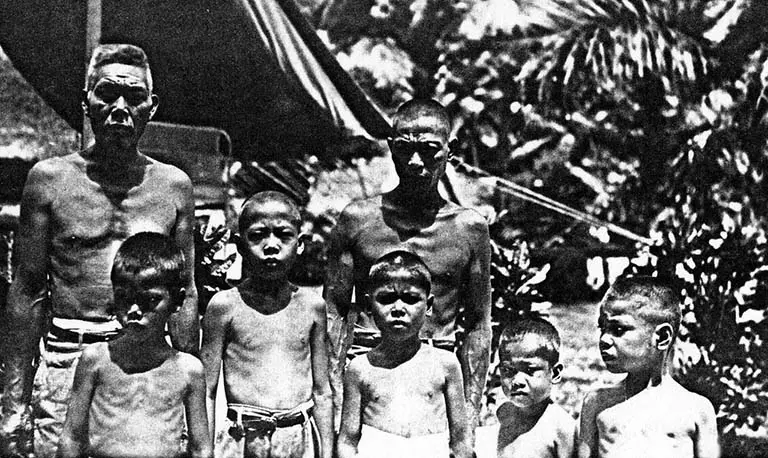
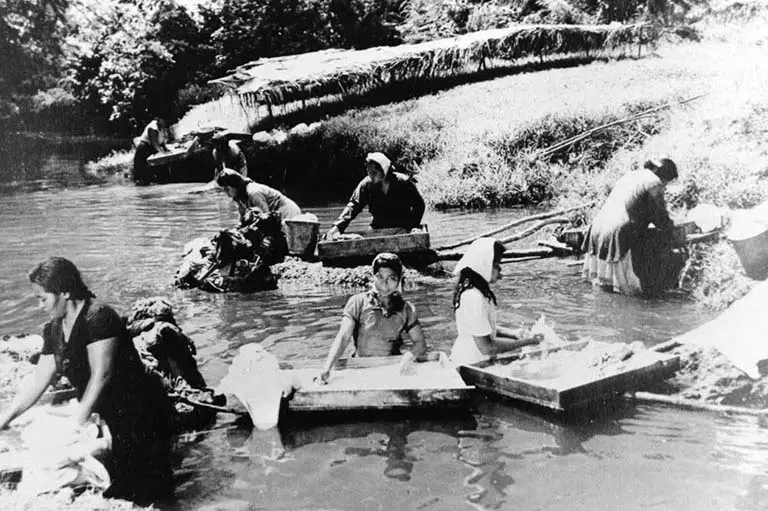
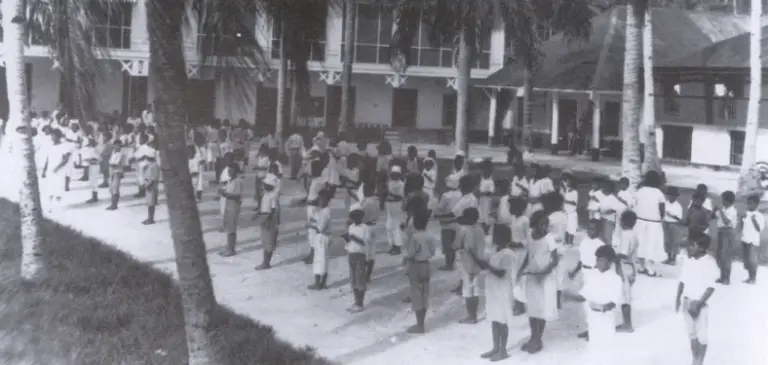
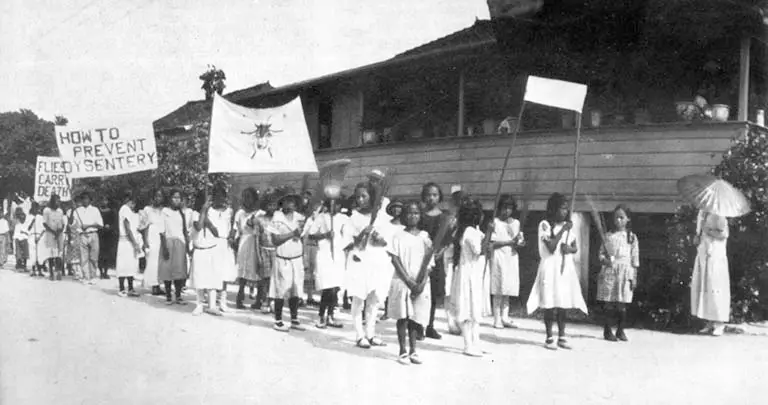
Editor’s note: Collection from her book Colonial Dis-Ease: US Navy Health Policies and the Chamorros of Guam, 1898-1941. Honolulu: University of Hawai’i Press, 2004. If you wish to use content from this collection for commercial use, publication, or any purpose other than fair use as defined by law, you must request and receive written permission from Dr. Anne Perez Hattori.