
Chamorro Culture
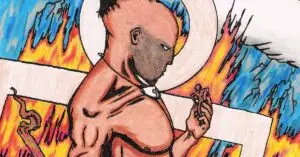
Folktale: Chaife’s Lost Soul
God of the underworld. Chaife was the god of the underworld, according to one Guam legend.
God of the underworld. Chaife was the god of the underworld, according to one Guam legend.

Maga’låhi Yula (also spelled Hula or Yura) was a chief from the village of Apotguan in Hagåtña, who is best known for sparking a Chamorro/CHamoru
Maga’låhi Tolahi (also spelled Tetlaje or Torahi) was a chief from Tachuc (immediately south of Malesso), who fearlessly led the southern villages in resistance to

Women today continue to maintain positions of authority in Chamorro/CHamoru society, both at home, in Chamorro families, and in professional careers whether they are Chamorro
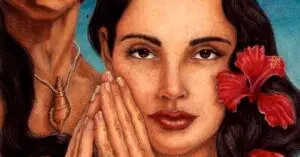
The story of the two lovers who tied their hair together and leapt to their death on Guam was first recorded by French researcher Louis
Mens’ role in societies have always been that of protector and provider. In the Mariana Islands, a change in the level of male authority was

In Spanish colonial times criollo referred to a full-blooded Spaniard born in the Spanish colonies in Asia and the Americas. It was a term mostly
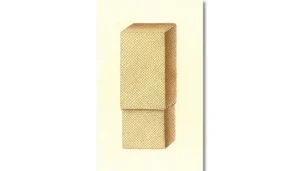
Kottot (pronounced koe-toot) is a rectangular basket made from the leaves of the åkgak (awhk-gak) tree, which is the Screw pine (pandanus tectorious). The kottot
ndios were defined as the native indigenous peoples in all the Spanish American and Asian possessions. During the Spanish colonial period in the Mariana Islands
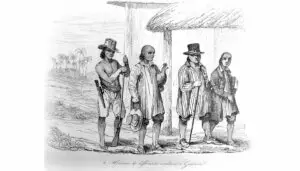
Insulares was the specific term given to criollos (full-blooded Spaniards born in the colonies) born in the Philippines or the Marianas. Insulares were part of