
Chamorro Culture
CHamoru/Chamorro Surnames
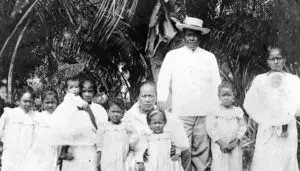
Traditionally, CHamorus didn’t have surnames. Each person was known by a first name and was probably referred to also according to his clan name.
Traditionally, CHamorus didn’t have surnames. Each person was known by a first name and was probably referred to also according to his clan name.
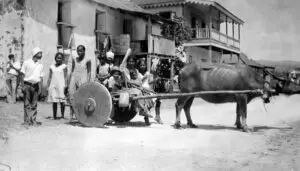
The “Better Known As” system. CHamorus have developed a way of identifying people other than their given names. Whether this “better known as” system came
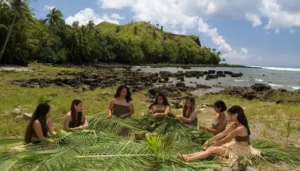
In ancient Chamorro/CHamoru society, each CHamoru was expected to possess knowledge and ability in a wide range of skilled, but unspecialized tasks, generally dictated by
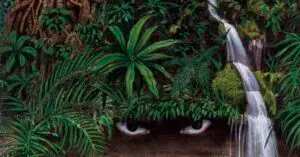
Aniti is the ancient CHamoru word which meant spirit. In its contemporary use, it has evolved to mean evil spirit or demon though some people

Not all CHamorus fought valiantly against Spanish occupation. There were some who chose to side with the Spanish for a variety of reasons.
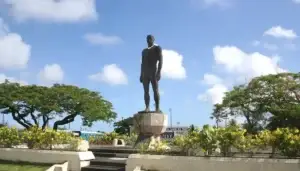
Kepuha (also spelled Quipuha) was a maga’låhi from Hagåtña, whose role in welcoming Spanish missionaries to Guam makes him a controversial figure in the island’s
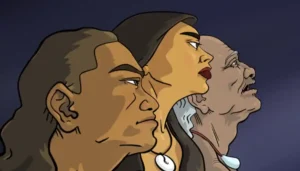
Manma’gas is the Chamorro/CHamoru word for leaders when referred to as a group. In ancient Guam, CHamoru leaders were usually the oldest members of clans

Kantan Chamorita is the contemporary name given to traditional call-and-response, impromptu verse-making. Practitioners refer to the genre as ayotte’, meaning to throw (verses) back and

The Matua controlled the most resources and lands and were the most politically powerful class. Historical accounts give us a clear image of their place
A maga’låhi was the first born, high ranking (matua) male head of a CHamoru clan, a role inherited through his maternal lineage. Manmaga’låhi and manmaga’håga