
Chamorro Culture
Insulares
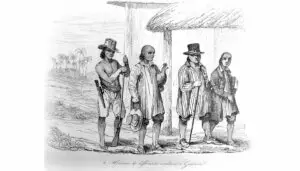
Insulares was the specific term given to criollos (full-blooded Spaniards born in the colonies) born in the Philippines or the Marianas. Insulares were part of
Insulares was the specific term given to criollos (full-blooded Spaniards born in the colonies) born in the Philippines or the Marianas. Insulares were part of
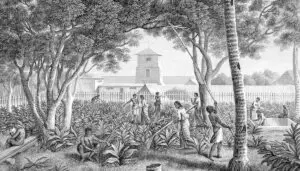
During the Spanish colonial period (1668-1898), persons of mixed African and Spanish ancestry were known to the Spaniards as mulatos. They were mostly hired for
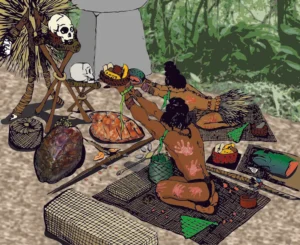
There is little doubt that CHamorus today live very different lives than Chamorros/CHamorus did 400 years ago, and have different ideas about what is and
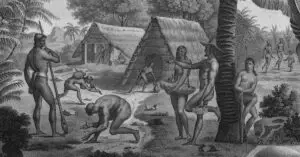
First used in the 16th Century. Inscribed on the Great Seal of Guam are the words “Tano I’ ManChamorro,” or Land of the Chamorros/CHamorus.
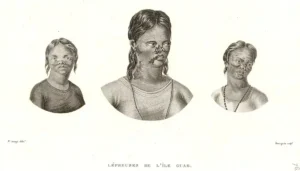
An important part of Guam’s Spanish-era history is the dramatic decline of the CHamoru population, particularly in the context of the Father Diego Luís de
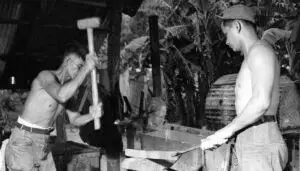
Herreron CHamoru. Blacksmithing, in the form that it is most known today, has only existed on Guam for a few centuries. On the surface blacksmithing
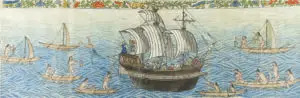
The Age of European Exploration in the Pacific began in 1521 with Ferdinand Magellan’s search for the Spice Islands (now the Moluccas). He was soon

Not all CHamorus fought valiantly against Spanish occupation. There were some who chose to side with the Spanish for a variety of reasons.
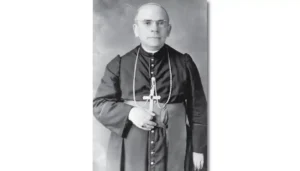
For almost 300 years, the Spanish overseas Catholic missions took firm root in the Marianas. Spanish clergy and superiors — Jesuit, Augustinian Recollect or Capuchin
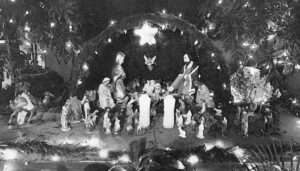
Every year, during the Christmas season, Catholic families gather for nine nights of devotional prayers reciting the Nobenan Niño, a nobena (novena) in honor of